Cameroonian Honour: Dr Rebecca Moeti awarded for her leadership in public health across the Africa continent during 53rd National Day celebration in South Africa.
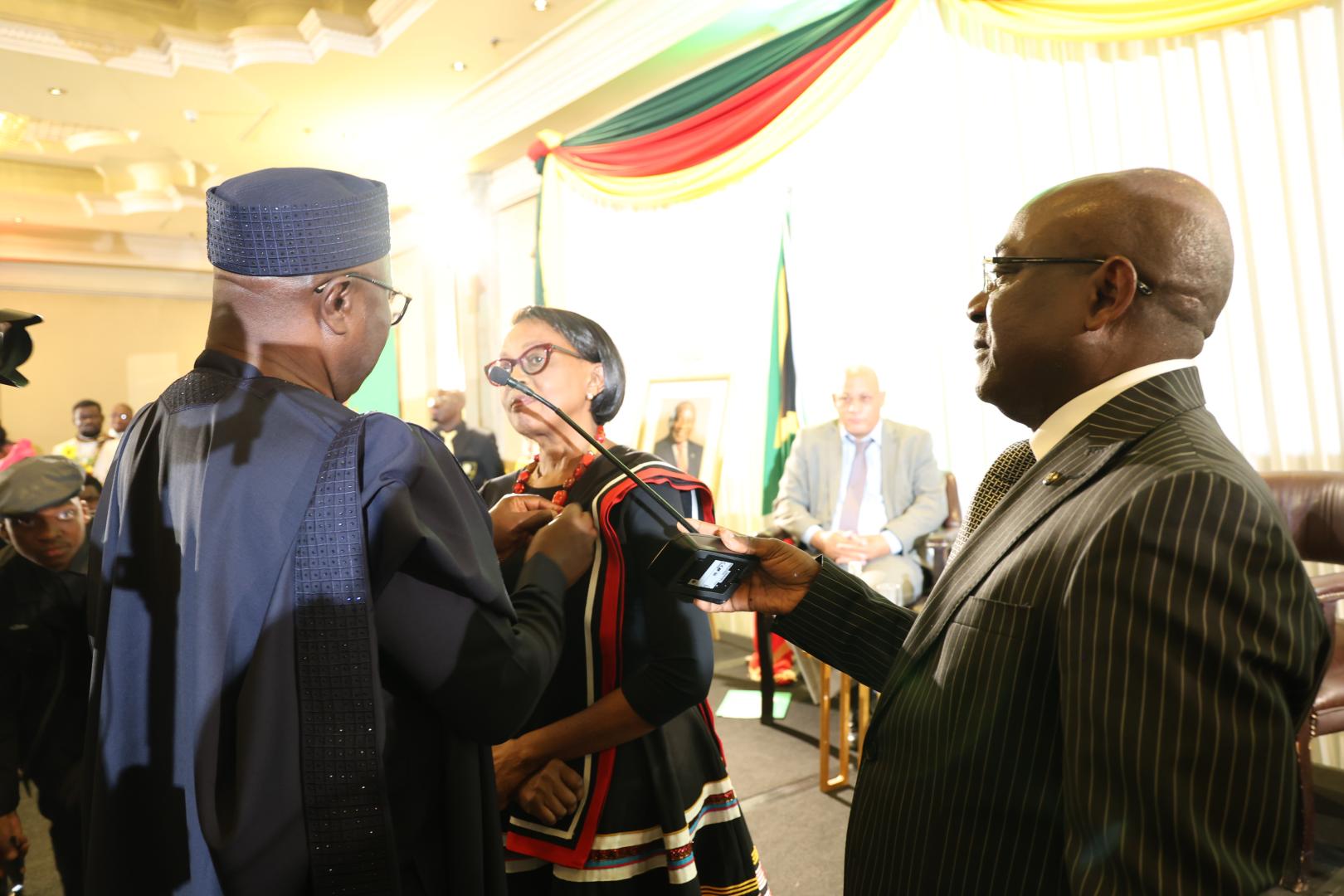
Pretoria, South Africa – 20 May 2025 – On the occasion of the 53rd National Day of the Republic of Cameroon, Dr Matshidiso Rebecca Moeti, WHO Regional Director for Africa (2015-2024) was awarded the title of Officer of the National Order of Valour, one of the highest distinctions bestowed by the Government of Cameroon.
Sierra Leone concludes National Health Summit & Performance Awards 2025 with bold commitments for a resilient health System
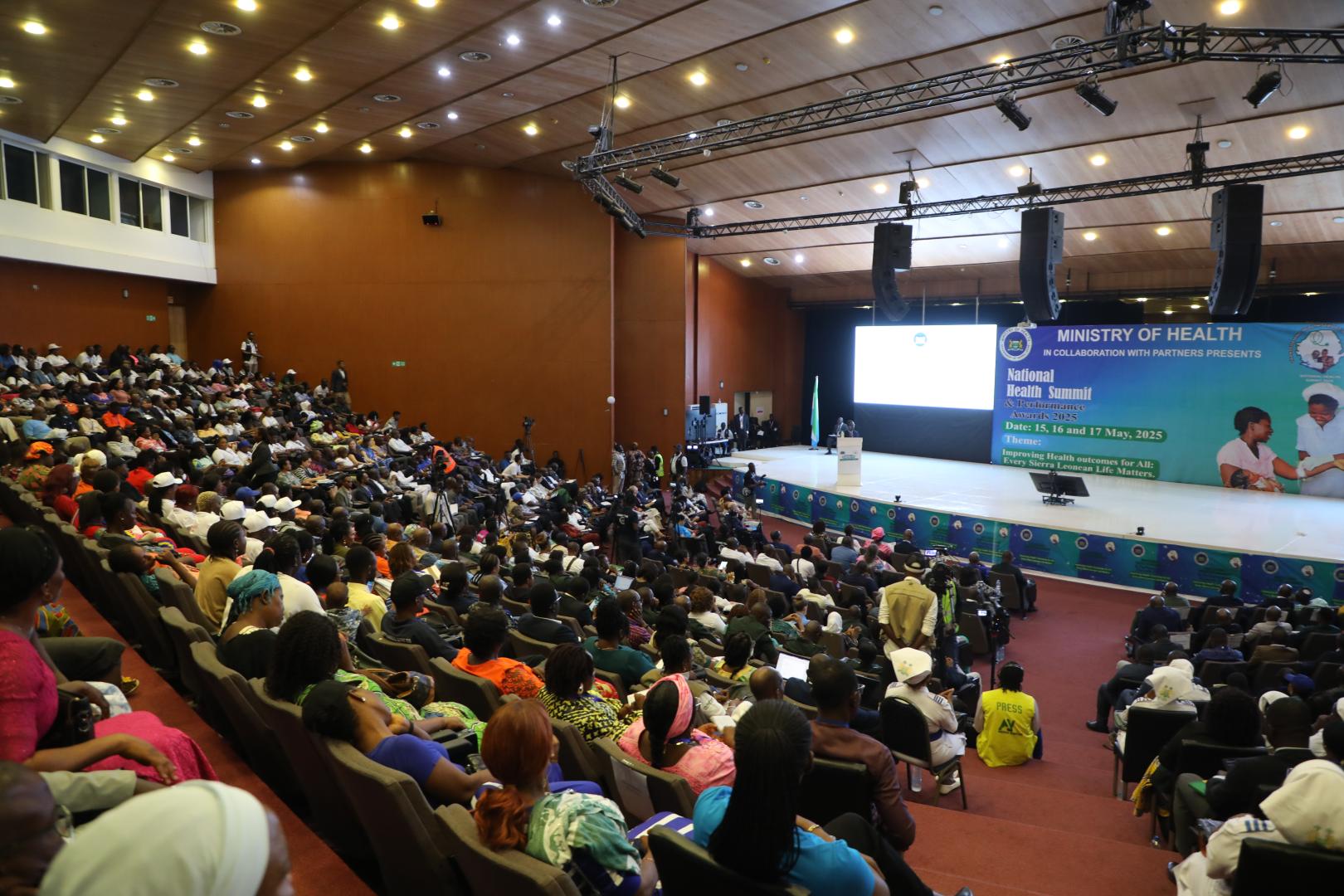
Freetown, 17 May 2025 – Sierra Leone concluded its 2025 National Health Summit and Performance Awards, a three-day event convened under the theme “Improving Health Outcomes for All: Every Sierra Leonean Life Matters.” Hosted by the Ministry of Health in partnership with the World Health Organization (WHO) and other health development partners, the summit brought together leaders from across government, civil society, the health sector, and development agencies to discuss transformative strategies for health system strengthening.
WHO Director General recognizes Mauritius unwavering efforts to control tobacco
WHO Representative pays courtesy call on WHO Collaborating Centre for Nursing and Midwifery Development at the University of Botswana School of Nursing

On 28 April 2025, WHO Country Representative, Dr. Fabian Ndenzako, paid a courtesy visit to the University of Botswana School of Nursing, a WHO Collaborating Centre (WHOCC) for Nursing and Midwifery Development since 1990. He was accompanied by Dr. Juliet Bataringaya, Health Systems Advisor, and Ms. Boingotlo Ramontshonyana, Focal Point for District Health System Strengthening.
Professor Mohamed Yakub Janabi of Tanzania nominated as next director of WHO African Region
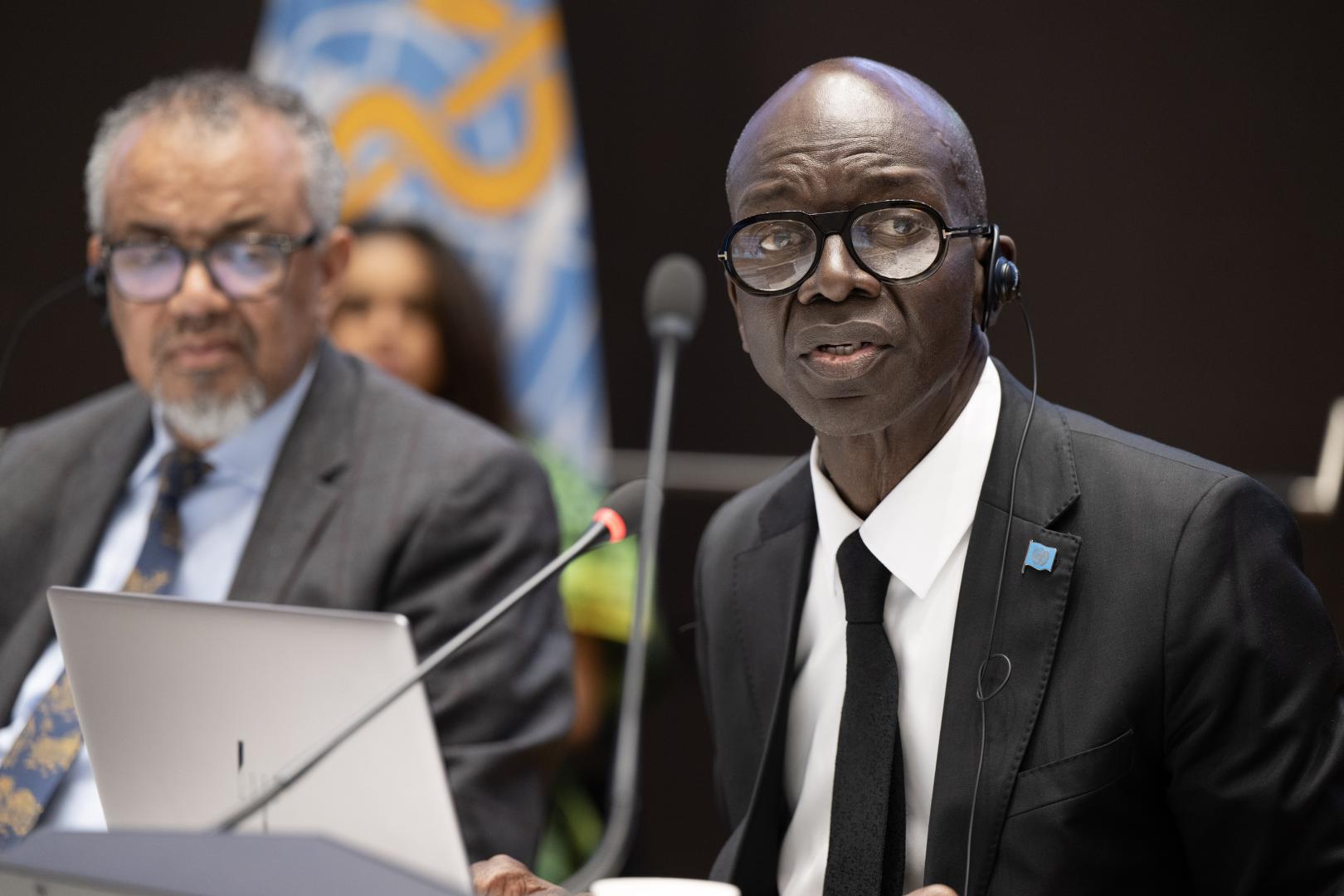
WHO Strengthens Field Presence and Support to Cholera Response During High Level Visit to Kwanza Sul and Benguela

Benguela, Angola – As part of ongoing efforts to support Angola’s fight against the cholera outbreak and to reinforce regional health systems, the World Health Organization (WHO) Representative in Angola, Dr Indrajit Hazarika, conducted a field mission to the provinces of Kwanza Sul and Benguela this week. The visit served to strengthen collaboration with local authorities, highlight WHO’s decentralized support across the country, and follow the high-level visit of the United Nations Deputy Secretary-General, Amina Mohammed.
Uganda's 24,2 hours initiative: A game changer in malaria mortality reduction
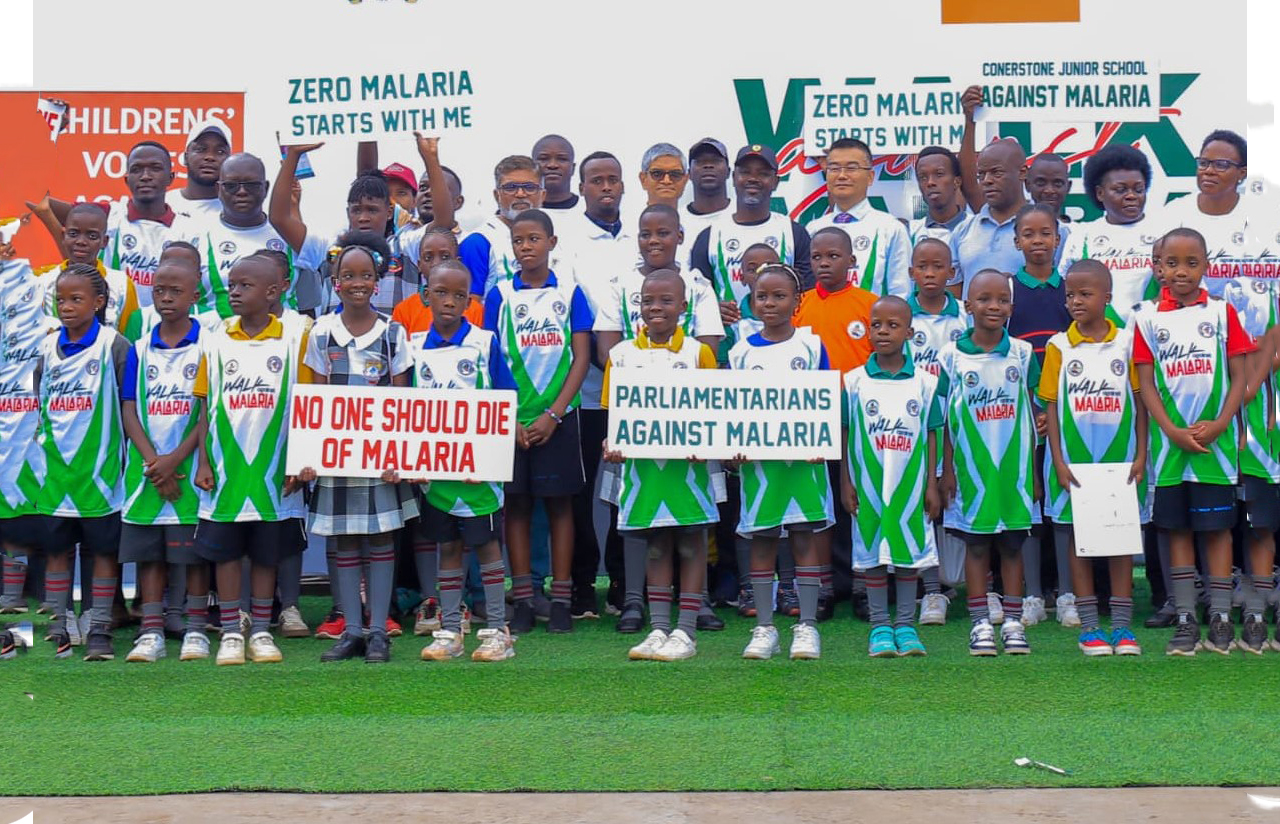
In Uganda, a country that shoulders the third-highest burden of malaria cases globally, time has become both the enemy and the solution. Every hour a patient goes untreated, the risk of complications and death grows exponentially. Recognizing this, the Ministry of Health, with technical support from World Health Organization (WHO), launched the “24.2 hours initiative” on 25 April 2025. This is a transformative malaria strategy designed to save lives by racing against the clock.
WHO Botswana visits NBTS to explore support for stronger blood system
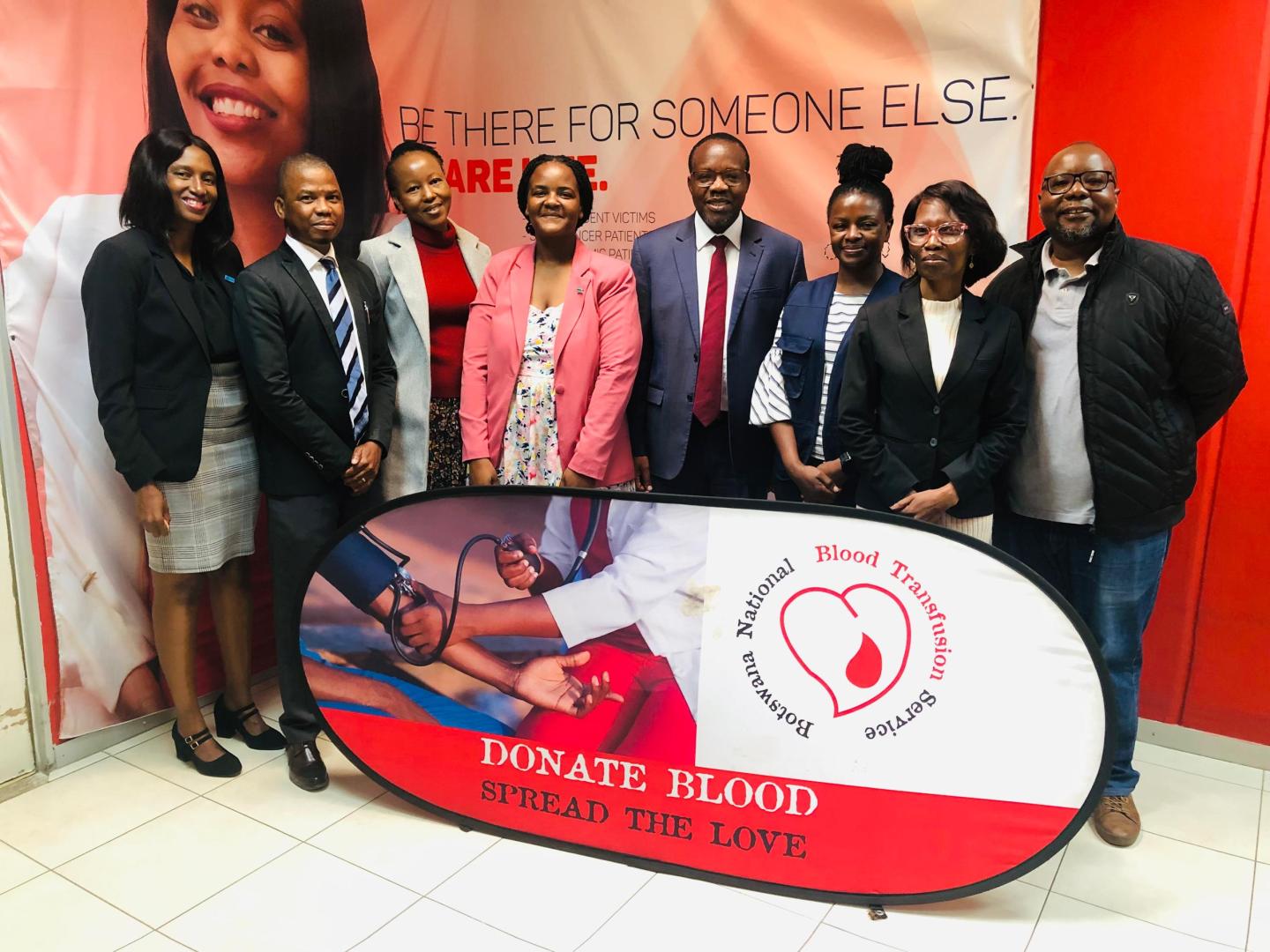
Recently, the WHO Botswana team led by the WHO Representative, Dr Fabian Ndenzako, paid a visit to the National Blood Transfusion Service (NBTS) Laboratory in Gaborone. The purpose of the visit was to better understand the current operations, strengths, and challenges faced by NBTS, and to explore areas where WHO can offer technical support to strengthen the country’s blood transfusion system.
Ghana Strengthens New Vaccine Rollout with Strategic Communication Guidelines
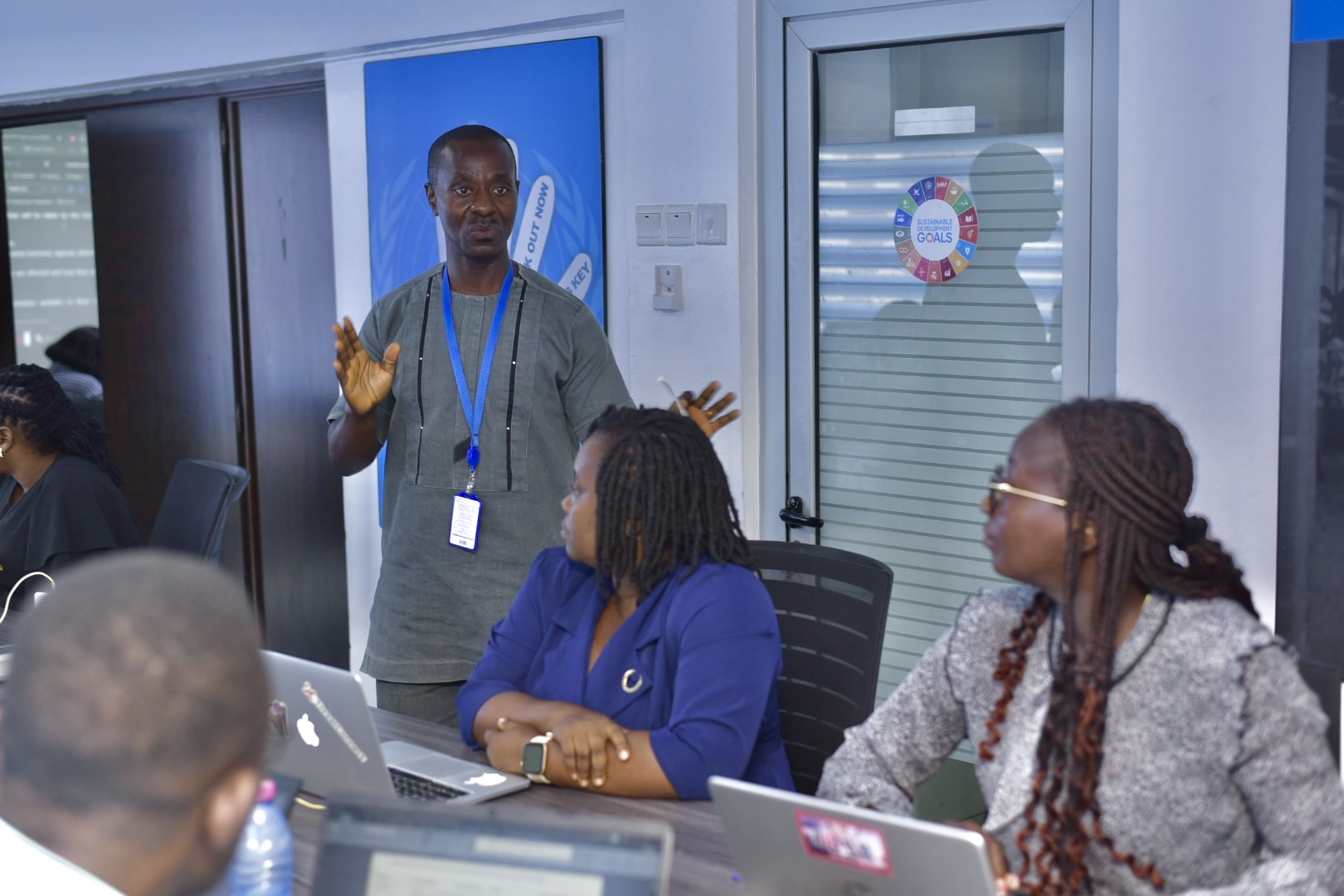
As Ghana prepares to introduce the Human Papillomavirus (HPV) and Hepatitis B birth dose (HepB-BD) vaccines into its routine immunization schedule by the end of 2025, efforts are underway to ensure the public is not only informed but also confident in these life-saving interventions.
Acting WHO Regional Director for Africa visits South Sudan to strengthen health support
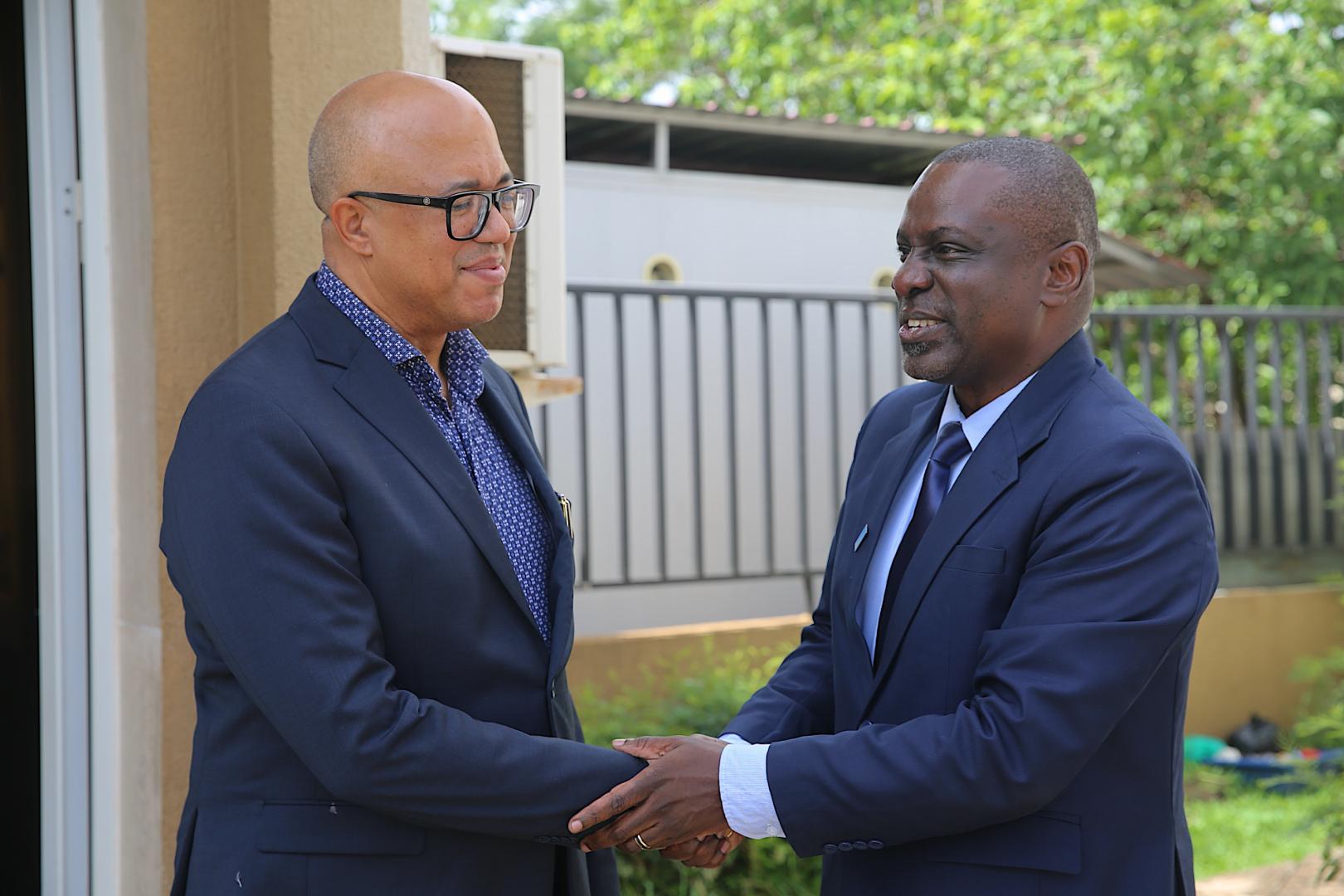
Juba, 14 May – Acting WHO Regional Director for Africa, Dr Chikwe Ihekweazu, arrived in South Sudan for an official one-day-visit to meet key stakeholders in an effort to ramp up support for health assistance amid the ongoing emergencies.
Dr Ihekweazu met with the Acting Minister of Health, Honorable James Hoth Mai, humanitarian partners represented by Marie Helene Verney, Acting UN Humanitarian Coordinator, as well as Timo Olkkonen, European Union Ambassador to South Sudan.