Zimbabwe launches Health Workforce Strategy, signs Health Workforce Compact
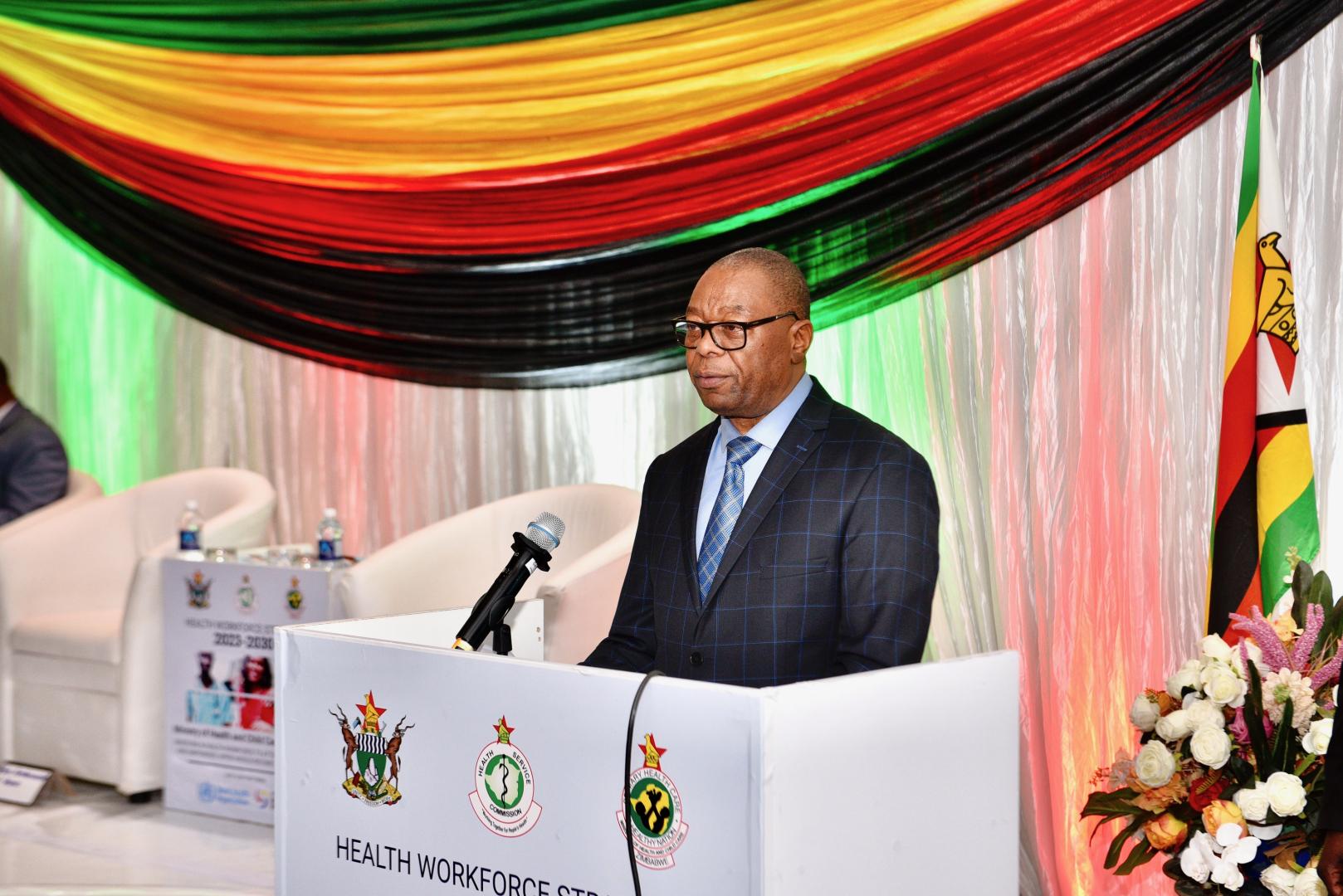
Harare – Following cabinet’s approval, the Government of Zimbabwe has launched the Health Workforce Strategy (2023-2030) to transform the country’s human resources for health capacity in ensuring the highest quality of life for all Zimbabweans by 2030. This comprehensive strategy addresses critical gaps in the health workforce and is set to be the foundation for a sustainable healthcare system.
Introduction to Medical Certification of Cause of Death (MCCoD) using the Eleventh Revision of the International Classification of Diseases (ICD 11) in South Sudan
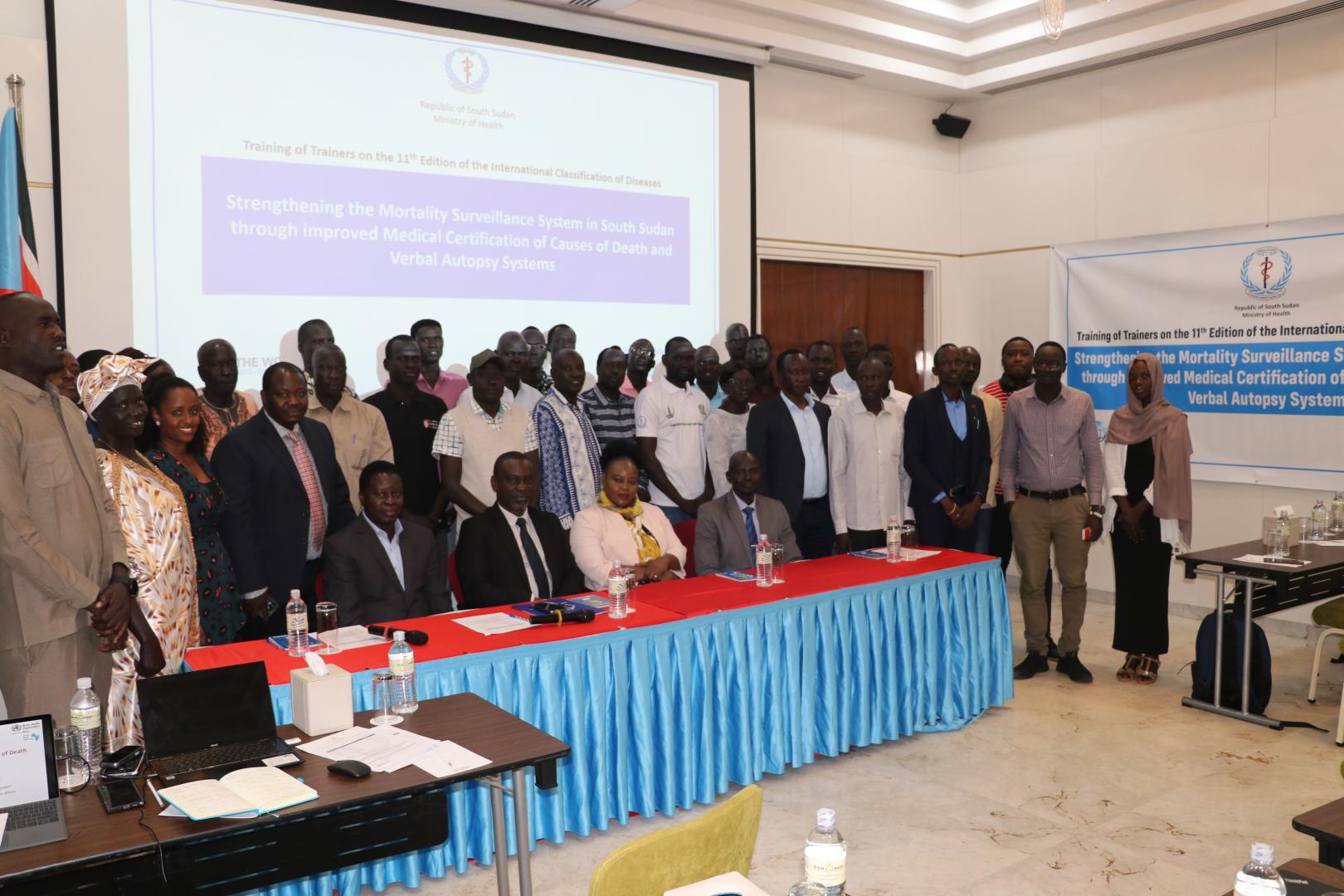
South Sudan has embarked on a groundbreaking initiative in bolstering its mortality surveillance system by enhancing the capacities of health workers through training. The aim is to improve the collection of accurate disease data, enhance reporting and completeness, and streamline health services, ultimately informing health outcomes.
Senegal becomes first African country to establish emergency medical team following WHO standards
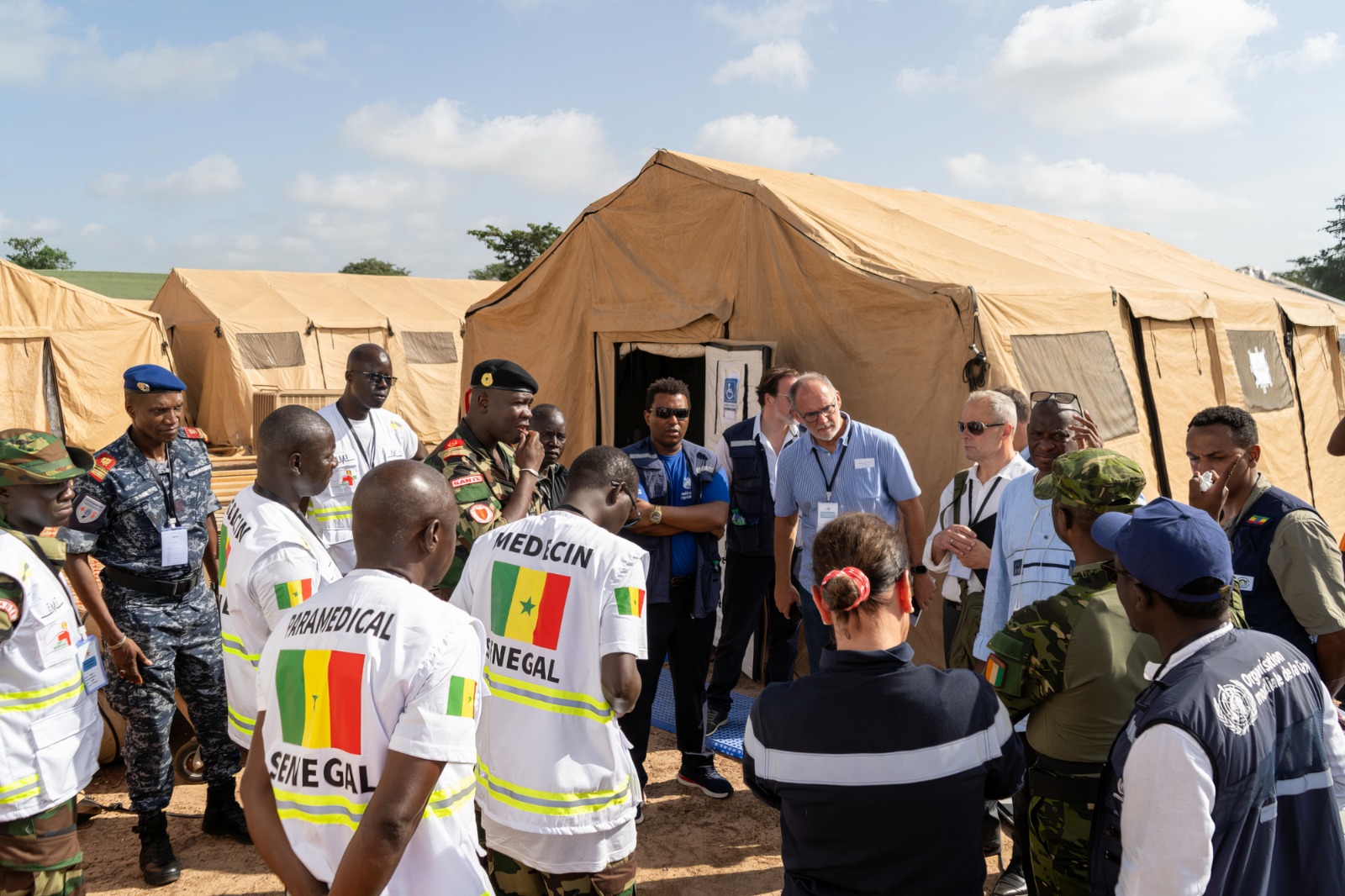
Dakar – Senegal has become the first country in Africa to receive World Health Organization (WHO) classification for developing the capacity of its emergency medical team to be able to deploy and respond to health crises around the world, marking an historic milestone for the country and significantly boosting the African Region’s emergency response capacity.
Sierra Leone Amplifies Focus on Adolescent Health and Wellbeing
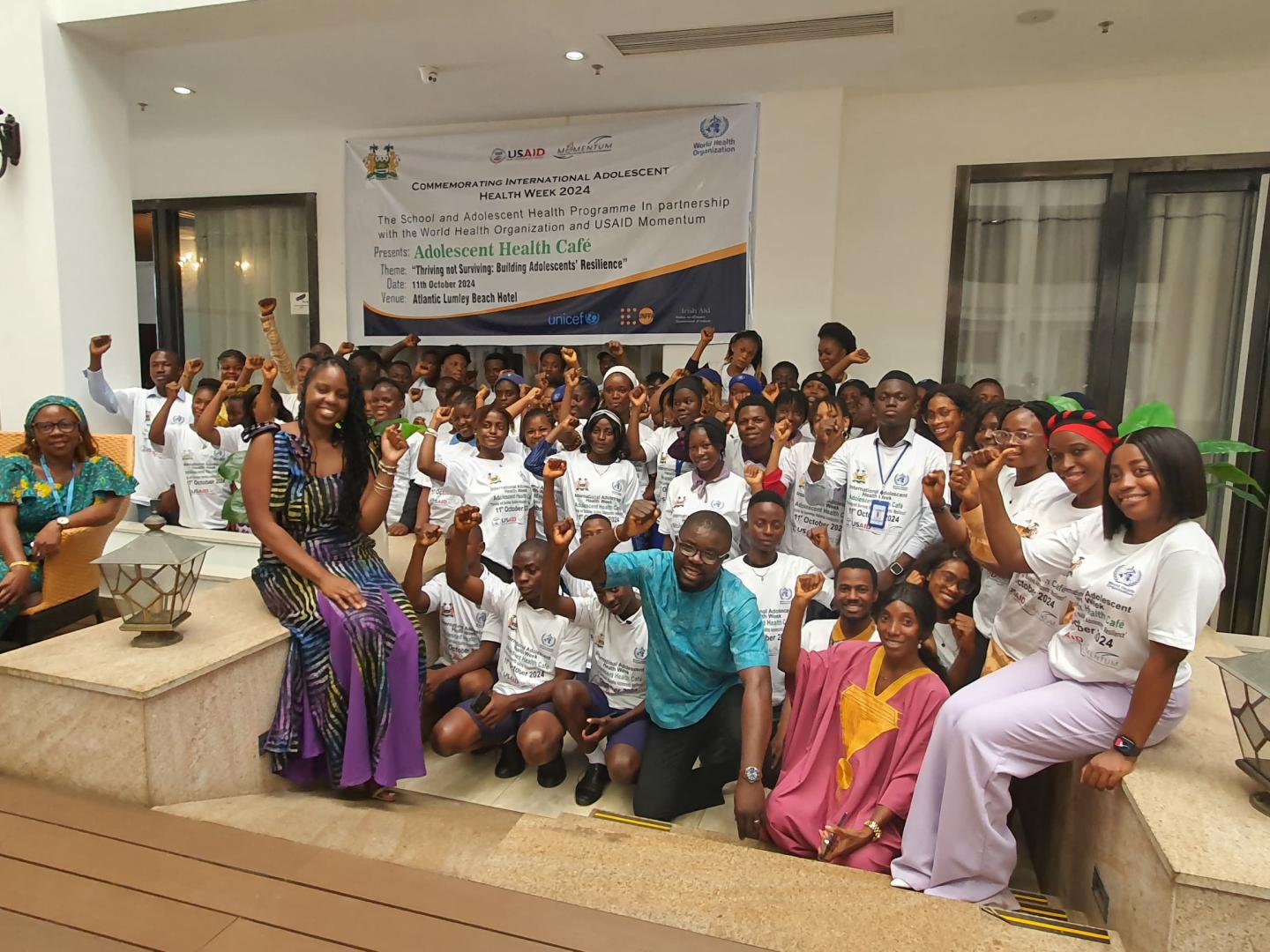
In a notable step toward improving adolescent health, Sierra Leone marked International Adolescent Health Week (IAHW) 7-13 October 2024 with a series of transformative initiatives addressing the pressing challenges faced by its rapidly growing adolescent population. Anchored by the theme “Thriving, Not Surviving: Building Adolescents’ Resilience,” the week-long activities highlighted the country’s commitment to empowering young people to take control of their health and contribute to national development.
New joint health system review highlights opportunities for strengthening health care services for refugees and migrant communities in Uganda.
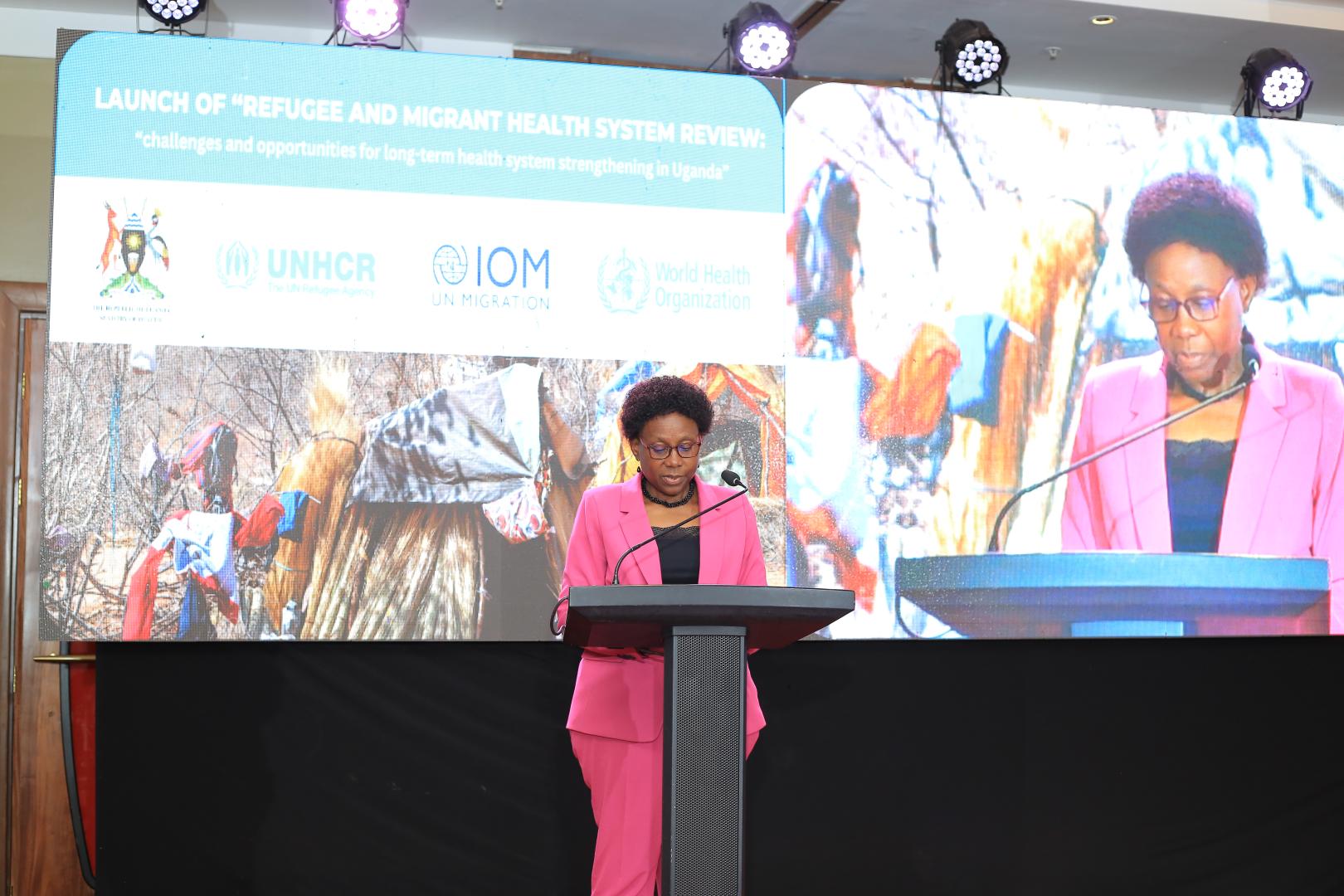
Uganda is the largest refugee-hosting country in Africa and the fifth largest in the world. Over the decades, Uganda has hosted refugees from countries including South Sudan, the Democratic Republic of Congo, Eritrea, Somalia, Sudan, Burundi, and Rwanda. As of 31st August 2024, there were 1,7400 000 refugees in Uganda primarily situated within refugee settlements in northern and southwestern Uganda and Kampala City.
Third Round of Polio Vaccination Campaign Completed in Sierra Leone: Safeguarding Every Child's Future
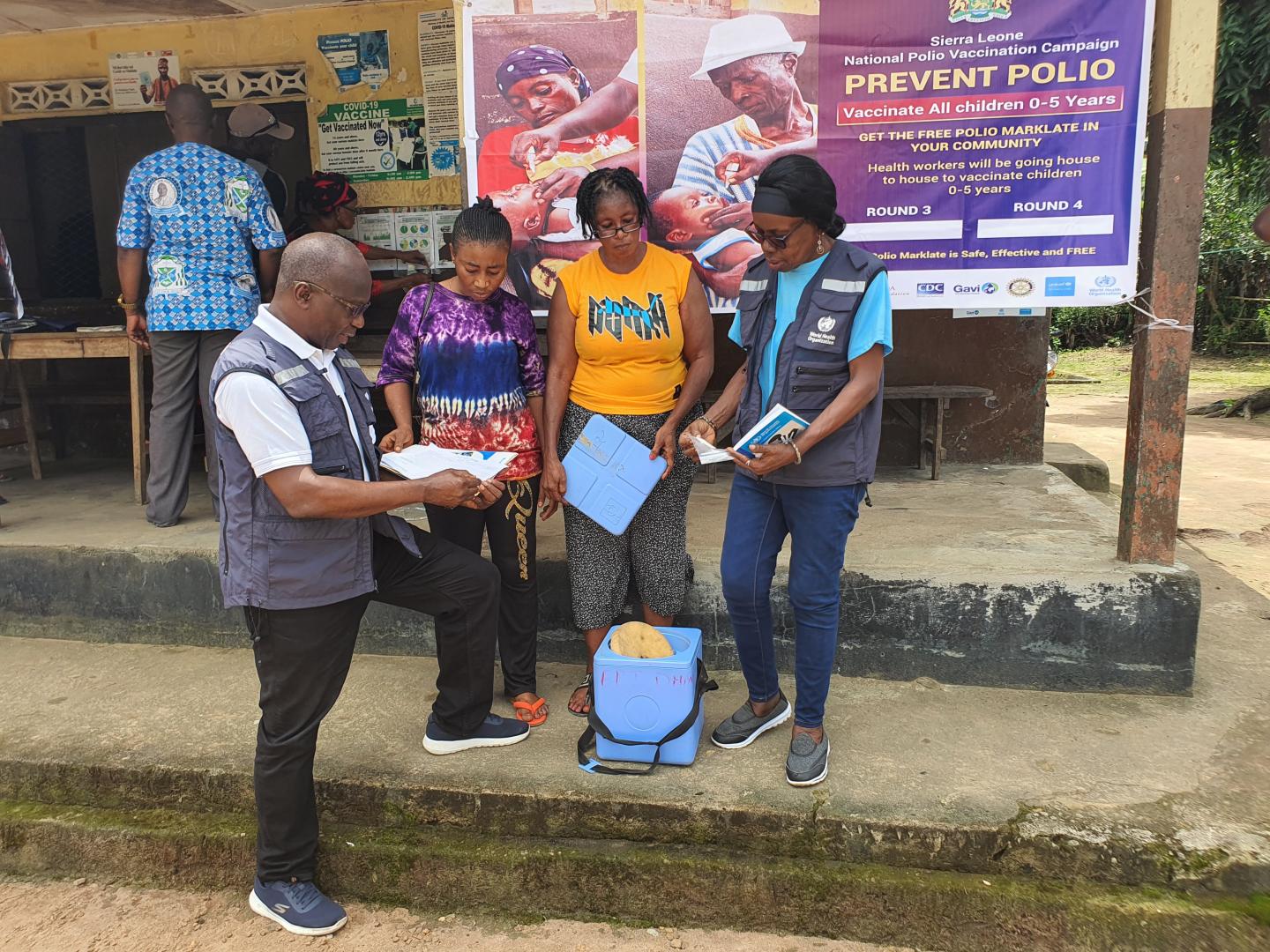
Freetown, Sierra Leone – The Ministry of Health (MoH) and the National Public Health Agency (NPHA), in collaboration with WHO, UNICEF, and other global partners, successfully concluded the third round of the nationwide polio vaccination campaign. Conducted from September 27 to 30, 2024, this phase covered all regions except the Western Area districts, which followed from October 11 to 14, 2024.
Health Development partners discuss Mpox Response and Marburg Readiness in Uganda
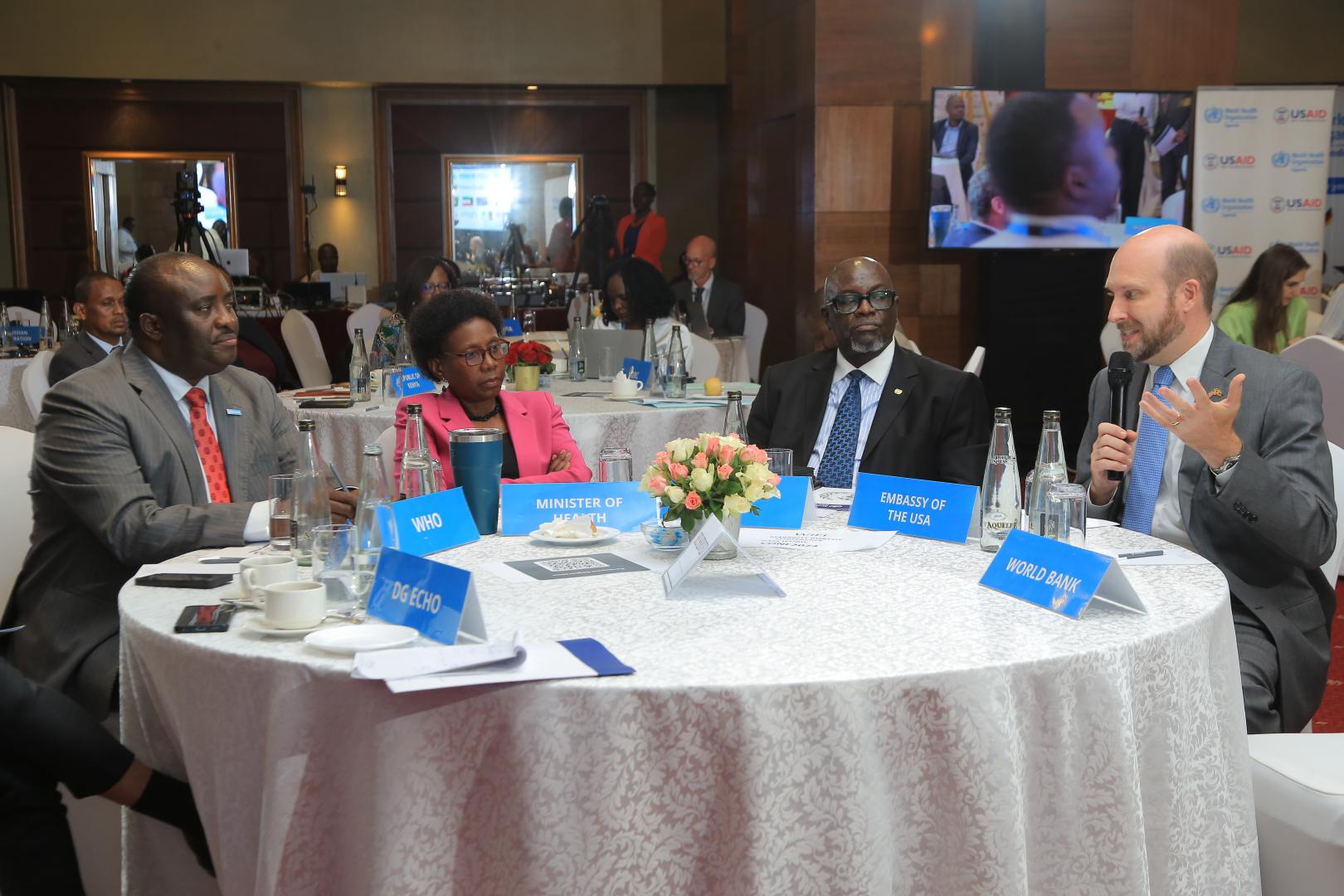
Kampala. Uganda’s Ministry of Health (MoH), with support from the World Health Organization (WHO) today held a high-level partners’ engagement to share information and advocate for collaboration to contain the ongoing mpox outbreak and improve Marburg readiness.
Namibia Joins the World in Addressing Mental Health and Suicide Prevention
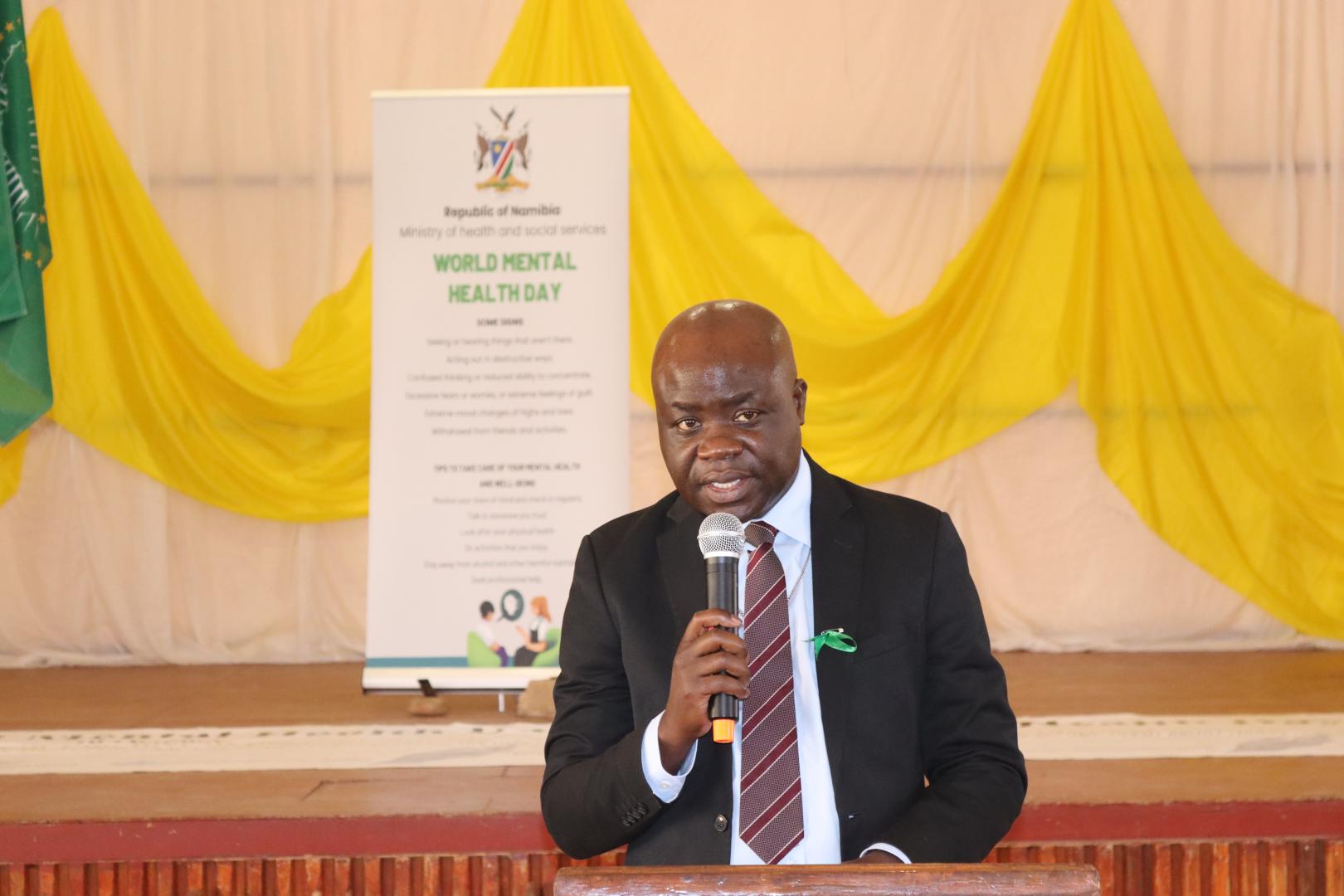
Every year on 10 October, the global community observe World Mental Health Day (WMHD) to raise awareness of mental health issues and mobilize efforts to support mental well-being. Mental health encompasses a state of well-being that enables people to cope with life's stresses, realize their abilities, learn well and work well, and contribute to their communities.
Zimbabwe Reports First Cases of Mpox
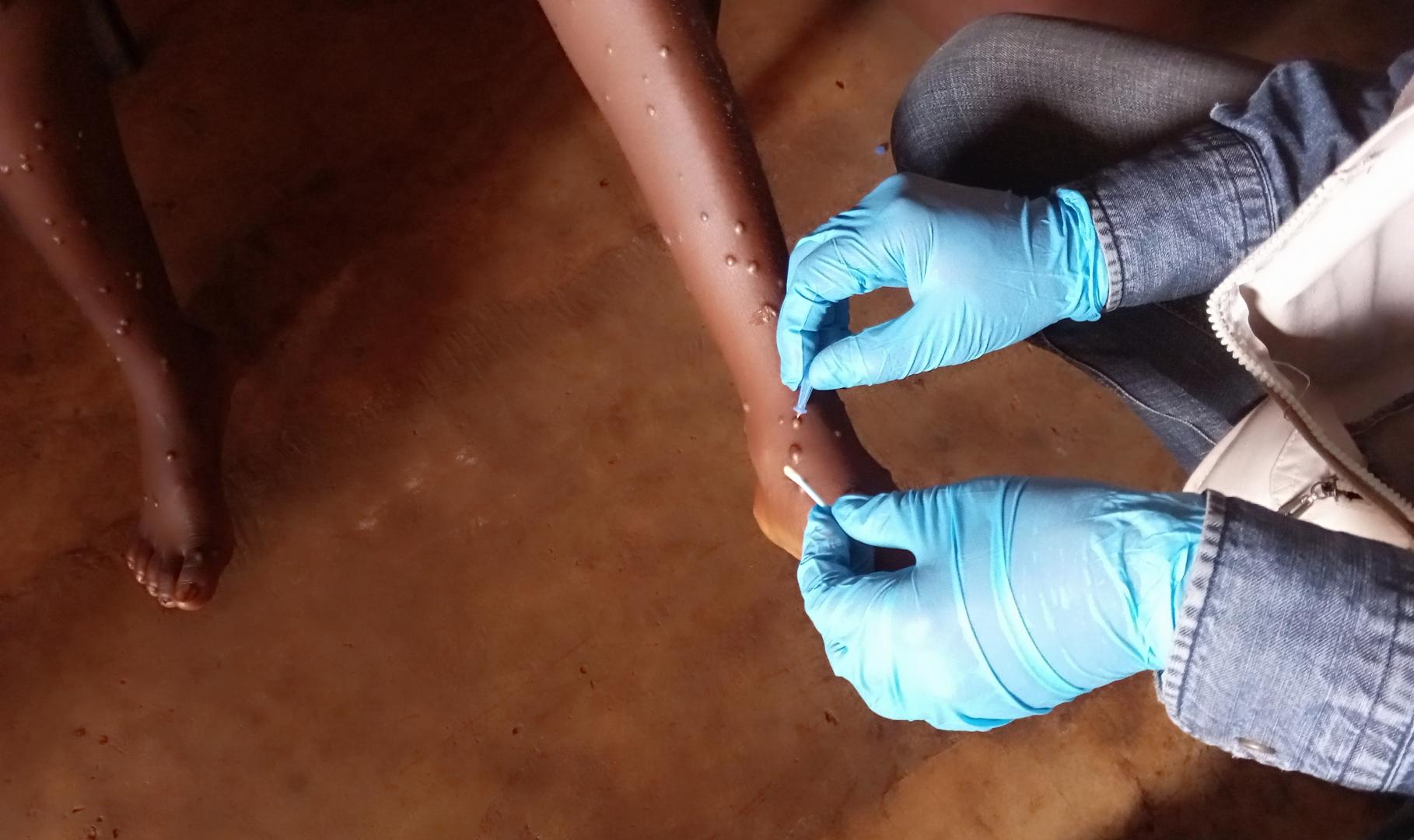
Harare – The World Health Organization (WHO) is closely monitoring the recent reports of two confirmed cases of mpox in Zimbabwe. These cases mark the first instances of the virus in the country.
Zimbabwe develops national one health strategic plan
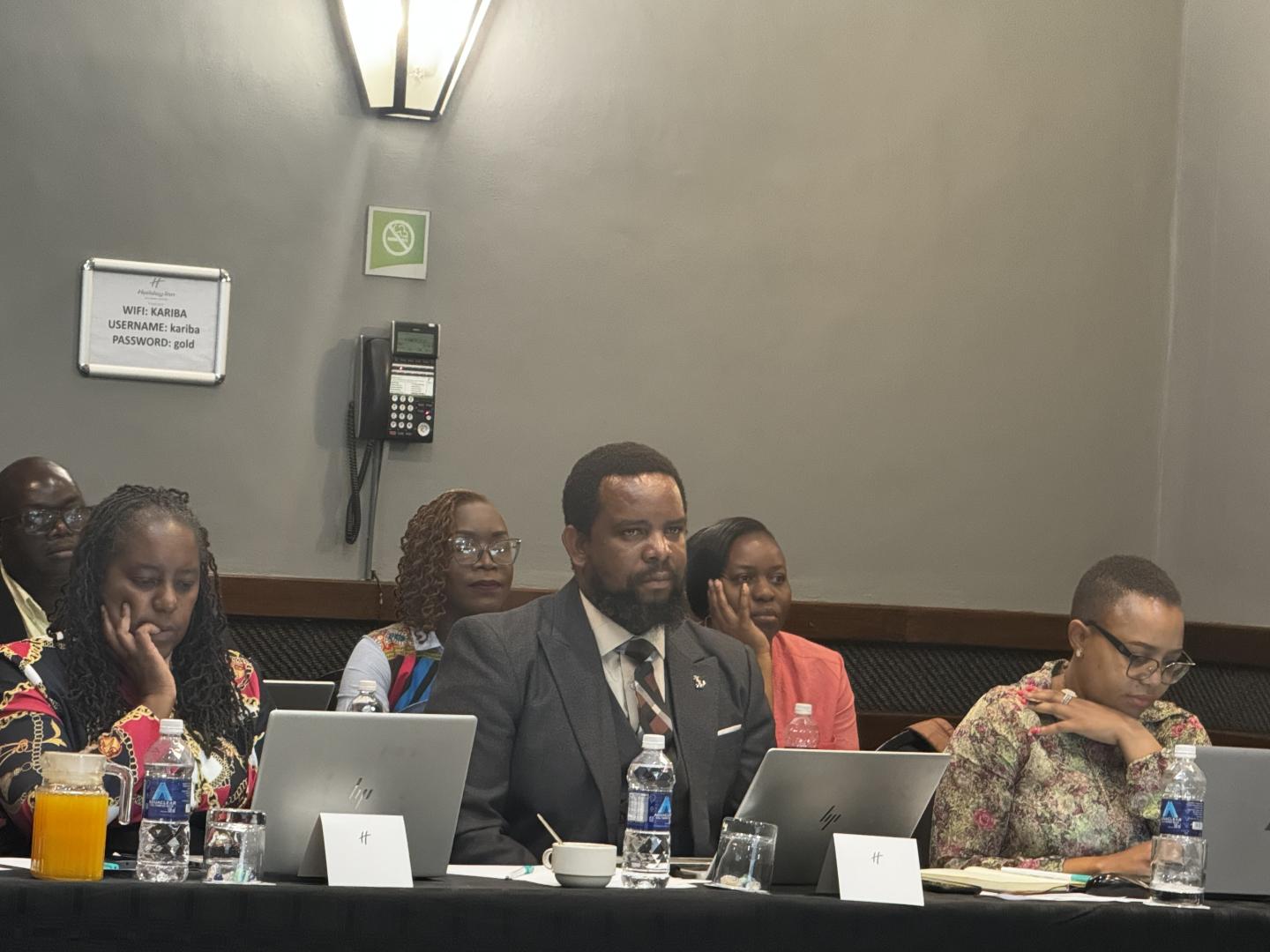
Harare – In a significant step towards strengthening public health and combating emerging health threats, Zimbabwe has convened an inception meeting for the development of its national One Health strategic plan. Led by the Public Health Advisor for the Office of the President and Cabinet, the meeting brought together key stakeholders from human, animal, plant and environment sectors to chart a course for a more integrated and comprehensive approach to health.