Urgent action needed to accelerate mental health progress in African region
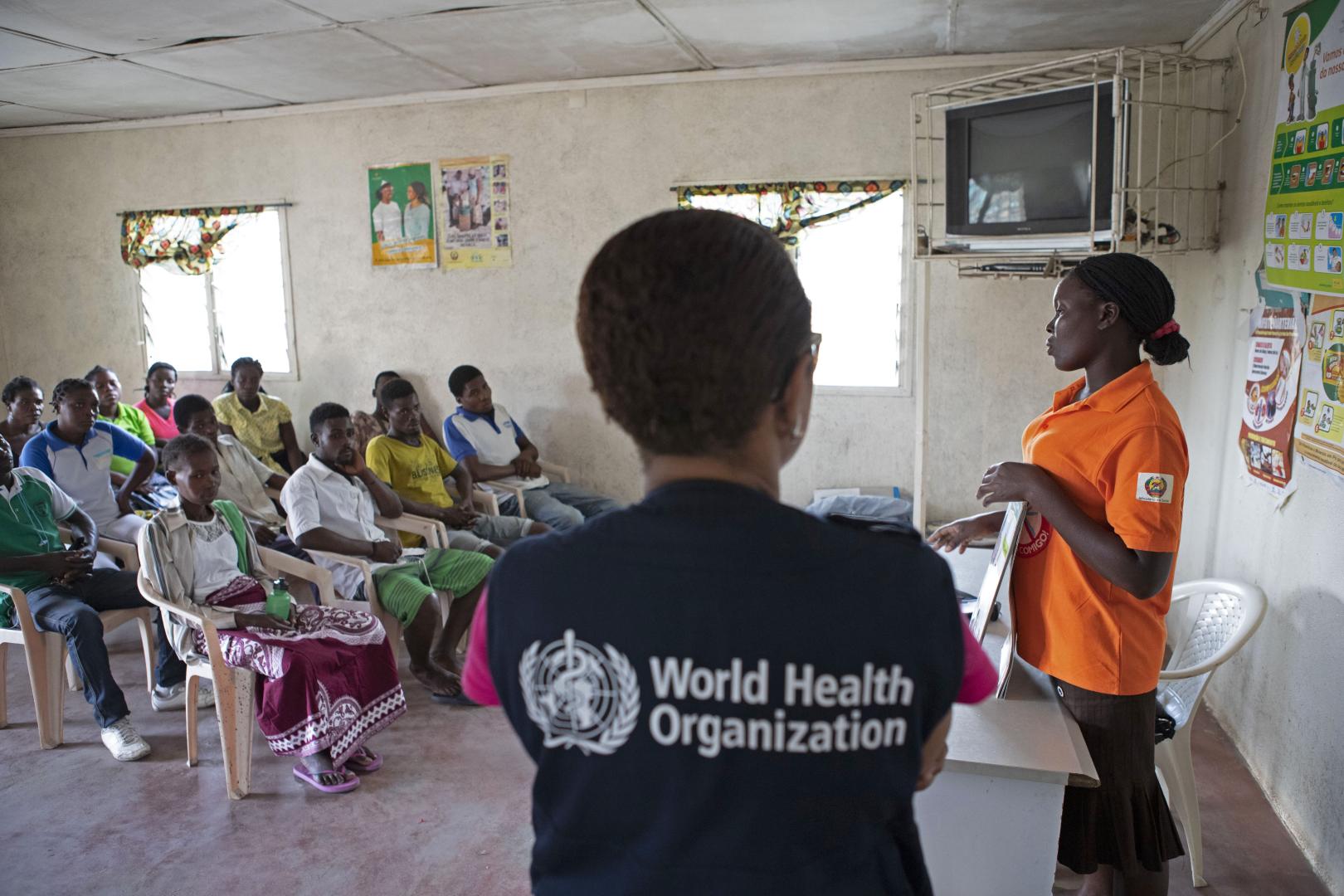
Thriving Together: Elevating Mental Health In Our Workplaces
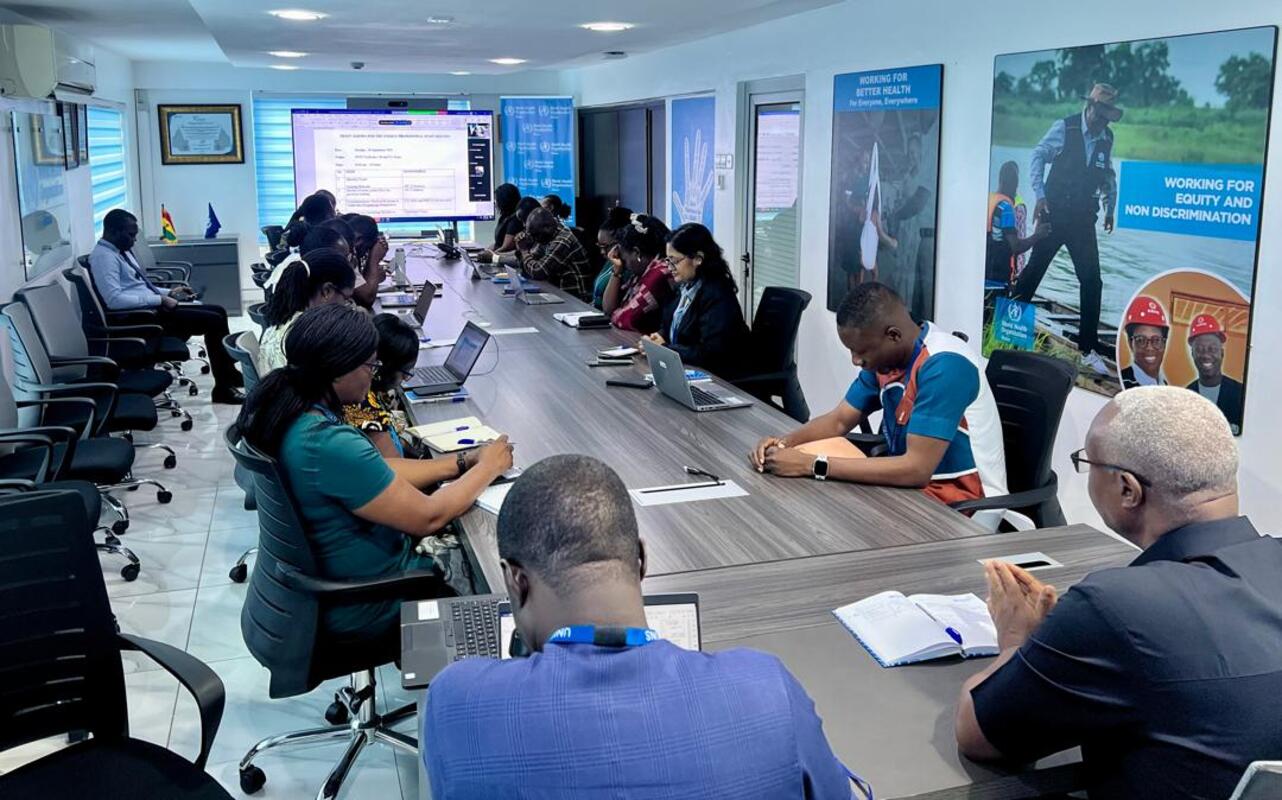
By Dr Leveana Gyimah, WHO Ghana Mental Health Technical Officer and Abdul-Lahie Abdul-Rahim Naa, Communications Officer- WHO Ghana, on World Mental Health Day
Strengthening Zimbabwe’s Expanded Programme on Immunization: Addressing Data Quality Challenges
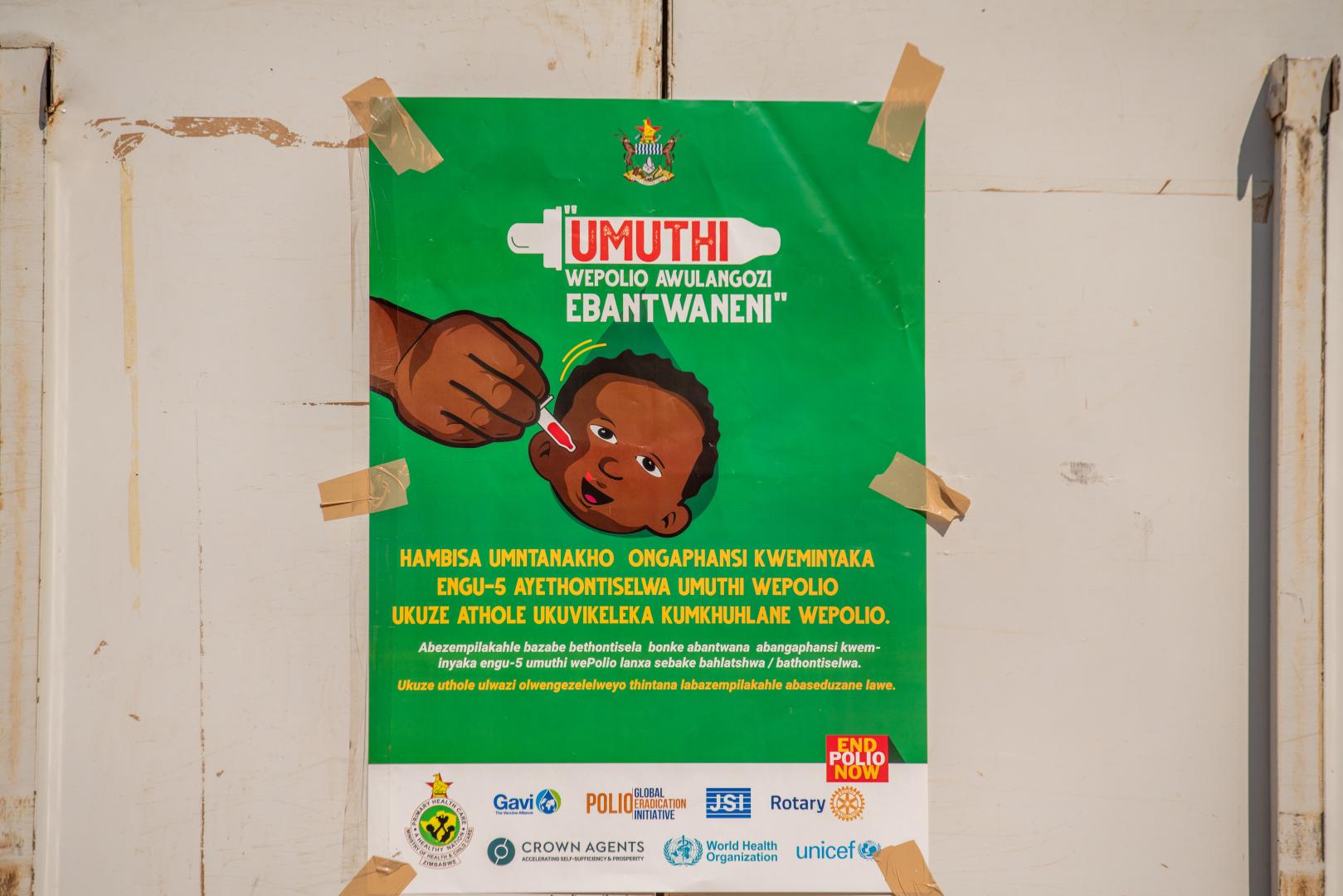
Harare – In public and global health, accurate data is a cornerstone for effective decision-making and disease control. Recognizing the critical importance of high-quality surveillance data, the World Health Organization (WHO), in collaboration with the Bill & Melinda Gates Foundation (BMGF), UNICEF, Gavi and Crown Agents, has embarked on a strategic initiative to improve Ministry of Health and Child Care (MOHCC) data quality at provincial and district levels.
Rodrigues receives training on integrated care for older people
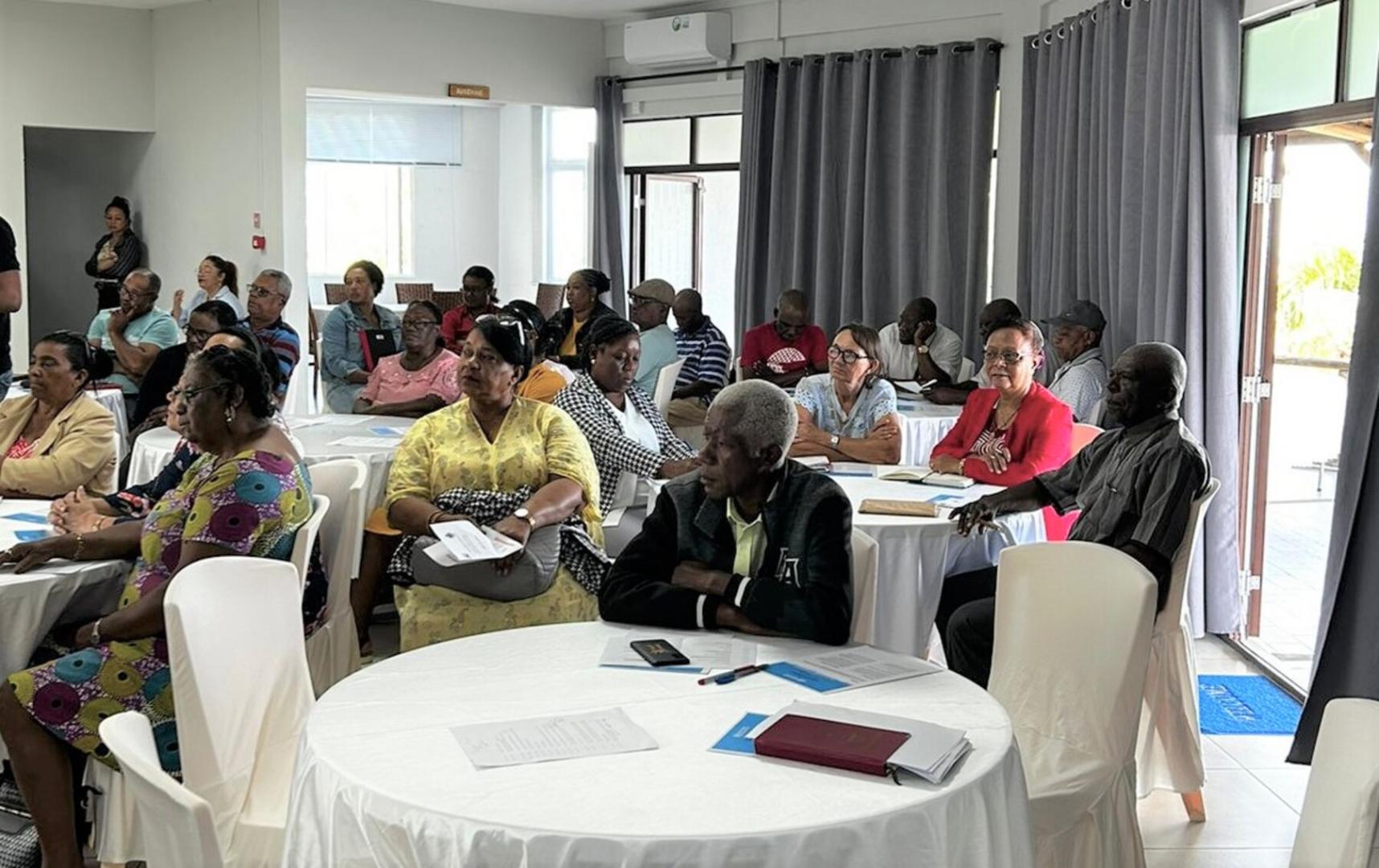
Integrated Care for Older People (ICOPE), a comprehensive approach to providing person-centred care to older people in the context of an ageing population, attained a fresh milestone with the completion of a sensitization campaign and training of trainers (ToT) in Rodrigues in September 2024.
Eswatini successfully completes second joint external evaluation
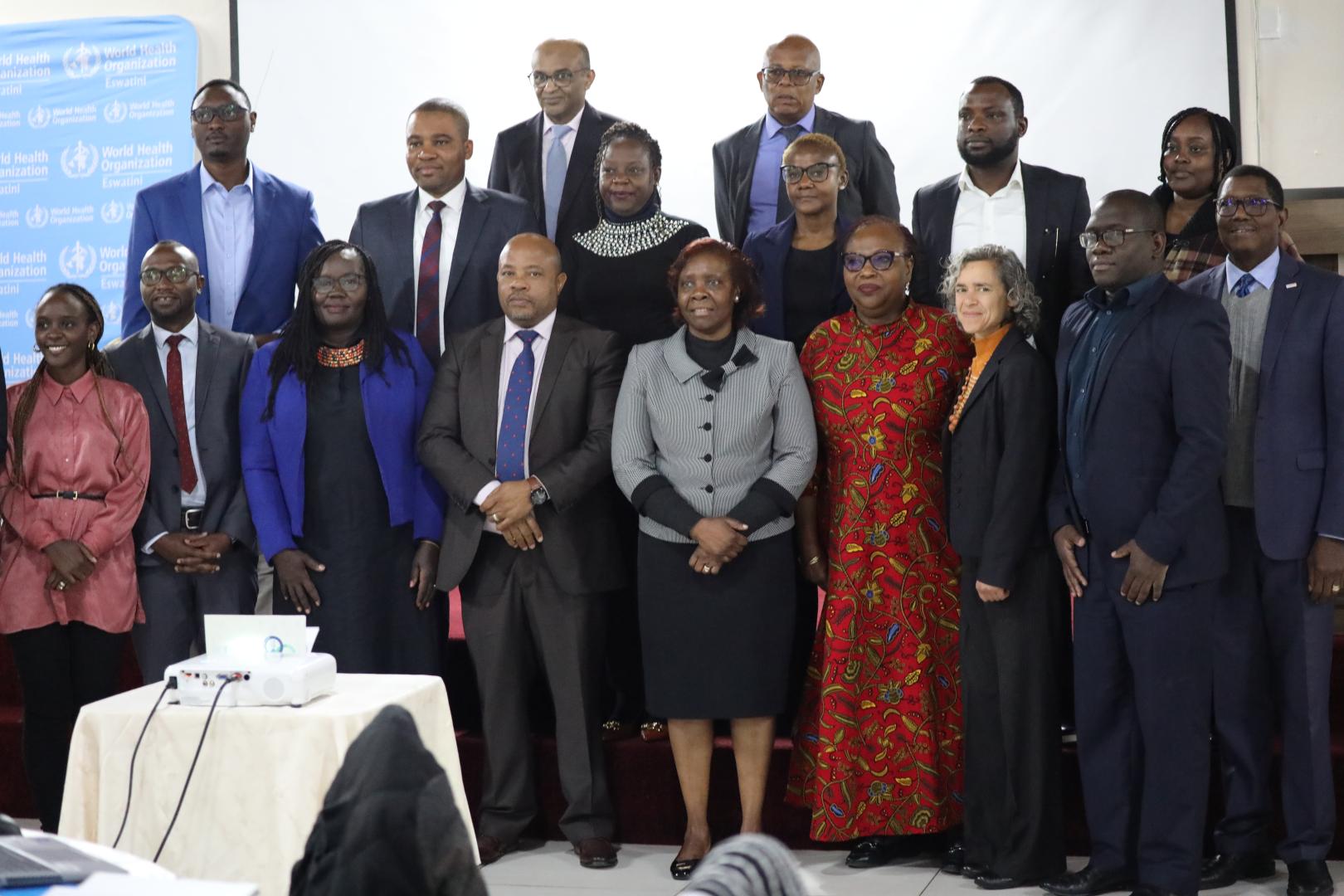
Mbabane—The Kingdom of Eswatini has successfully completed its second Joint External Evaluation (JEE) of the implementation of the International Health Regulations (IHR) (2005) capacities. The JEE is a voluntary, collaborative, and multisectoral process designed to assess a country’s ability to prevent, detect, and respond swiftly to public health risks, whether they arise naturally or from deliberate or accidental events.
Health labour market analysis support tool launched
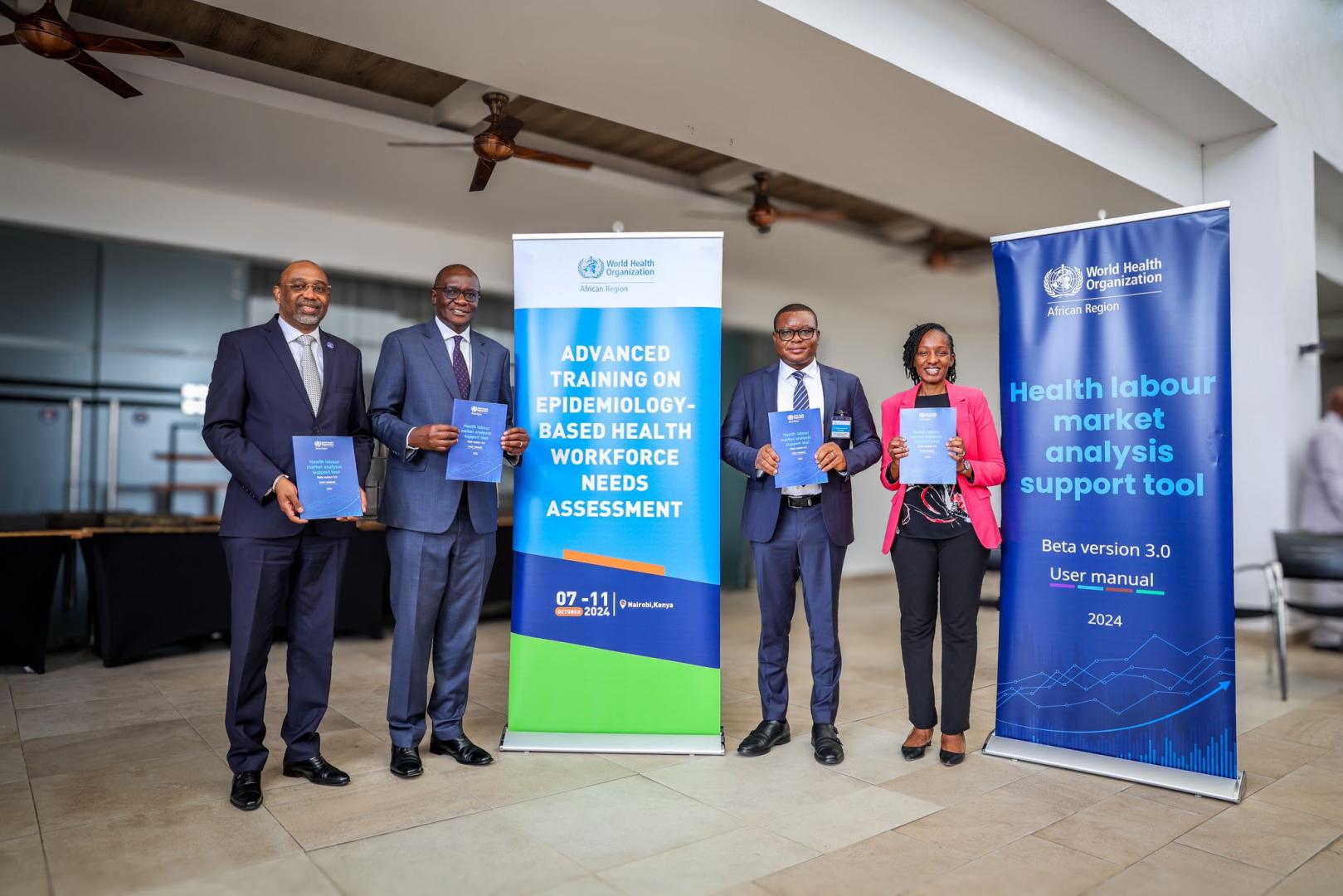
Nairobi, Kenya – The World Health Organization, Regional Office for Africa launched the Health Labour Market Analysis (HLMA) Support Tool to assist countries assess their health workforce education capacity, supply, demand and need for health workers and facilitate integrating health workforce planning into Health Labour Marker Analysis.
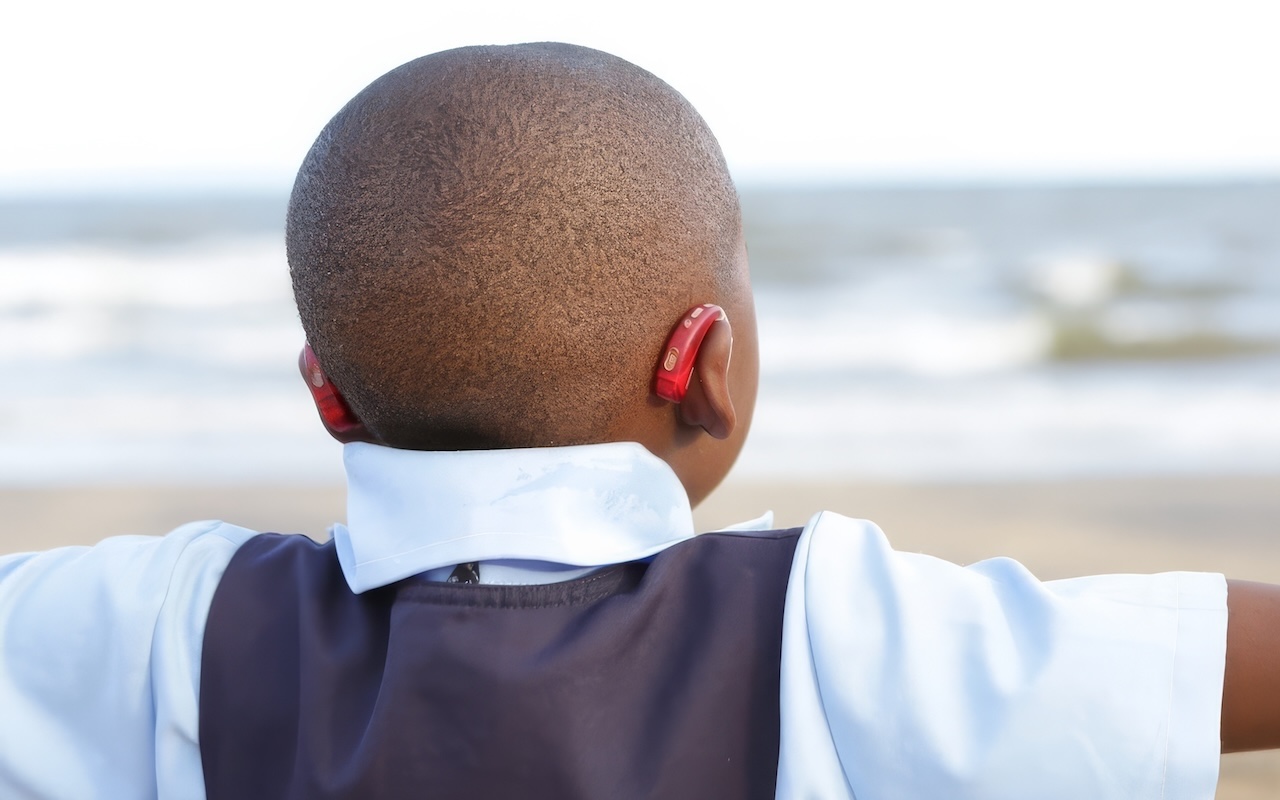
Burden of hearing loss in Africa could rise to 54 million by 2030: WHO report
The Democratic Republic of the Congo kicks off mpox vaccination
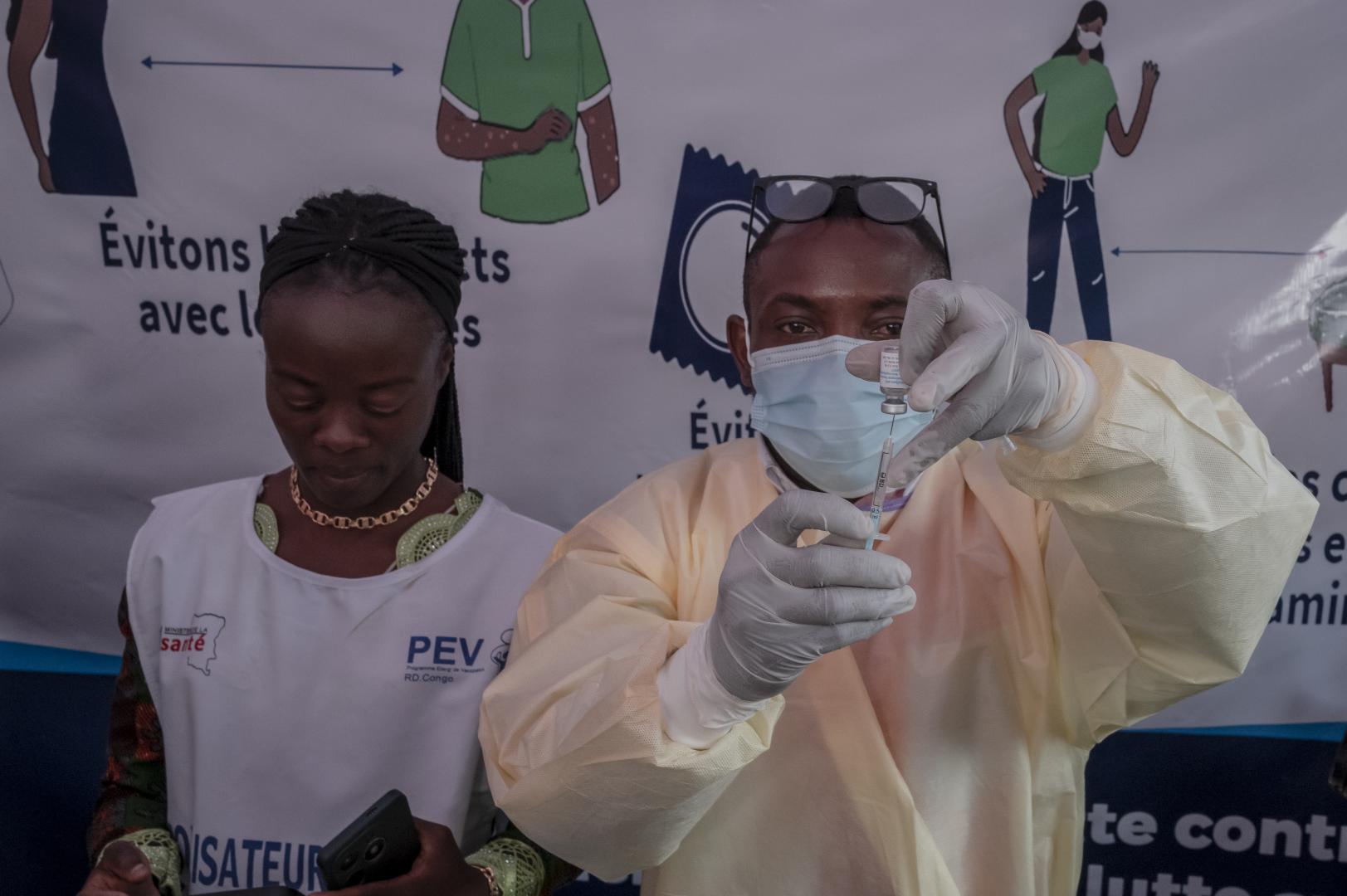
Kinshasa – The Democratic Republic of the Congo today kicked off mpox vaccination, adding a vital measure to complement the ongoing outbreak control efforts to halt the spread of the viral disease and save lives.