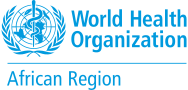
My Health, My Right!
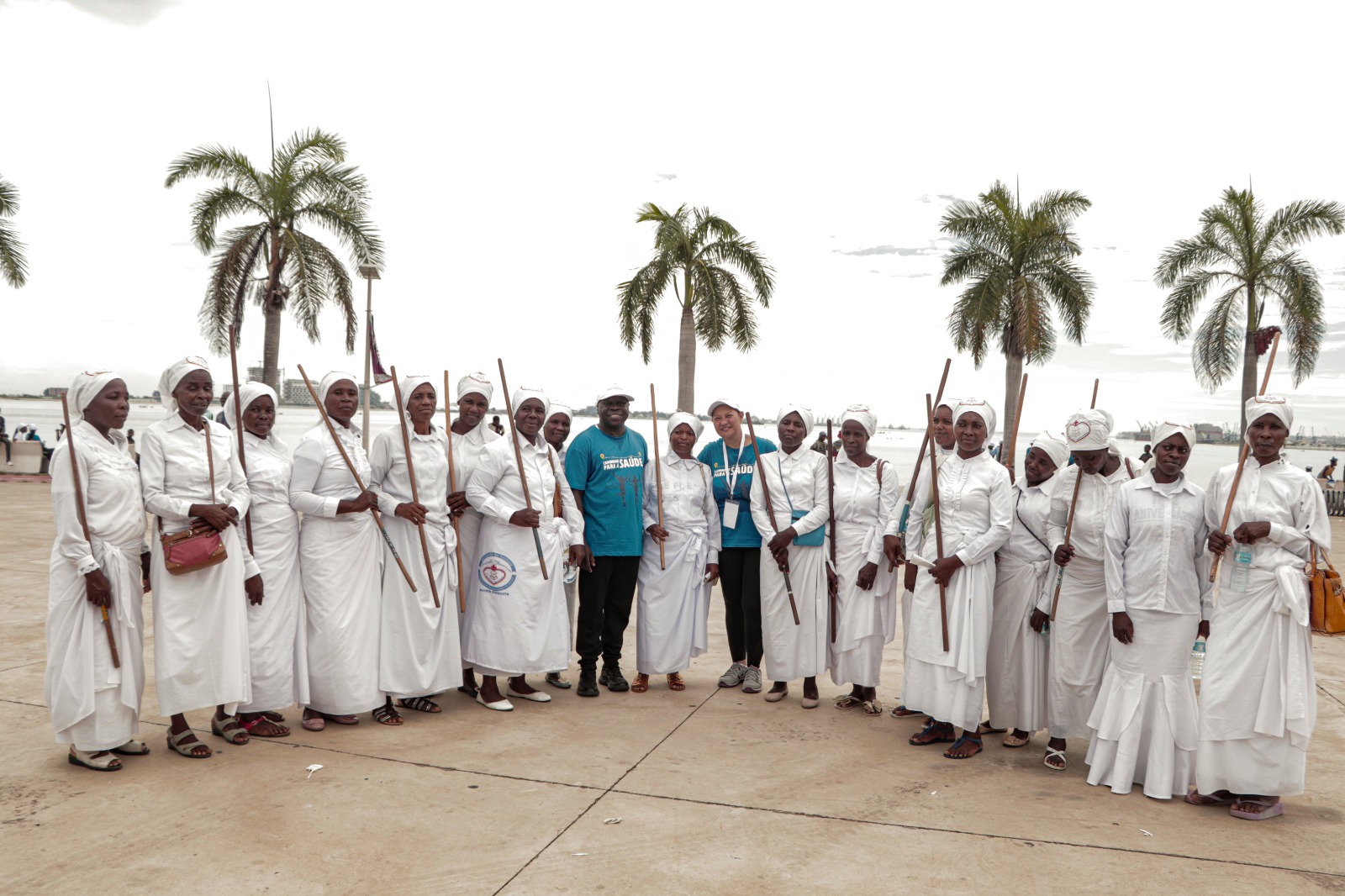
Looking at the need to build a safer and healthier future for all, 1948 world leaders created the World Health Organization (WHO). The same year, the Universal Declaration of Human Rights also enshrined the right to health. That's why, every year on April 7, the world celebrates World Health Day to raise awareness of the need for concrete action to guarantee equitable access to health services. Ensuring the right to health is fundamental for creating vibrant and productive communities, stronger economies, safer nations, and a better world.
World Health Day 2024: Tanzania’s strive for the Health for all Agenda
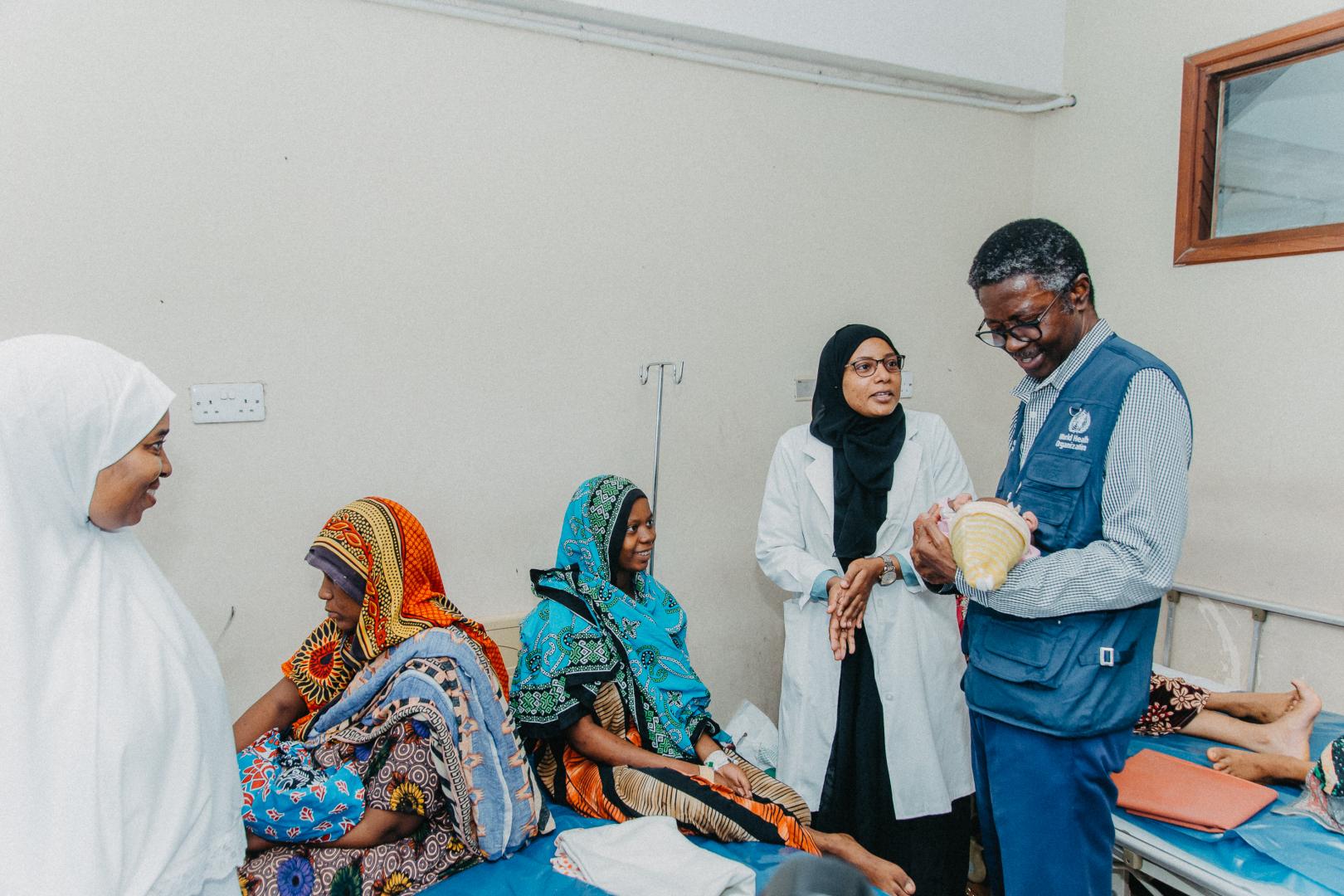
Written by Dr Charles Sagoe-Moses, Country Representative, World Health Organization Tanzania
Dar es Salaam: Every year on the 07th of April, the World Health Organization (WHO) joins member states, the international community, local and international organizations to celebrate World Health Day to provide a global opportunity to focus attention on important public health issues and advance the universal health coverage agenda for all.
Ensuring Health Equity: Narrowing the barrier gaps in accessing health care
Op Ed
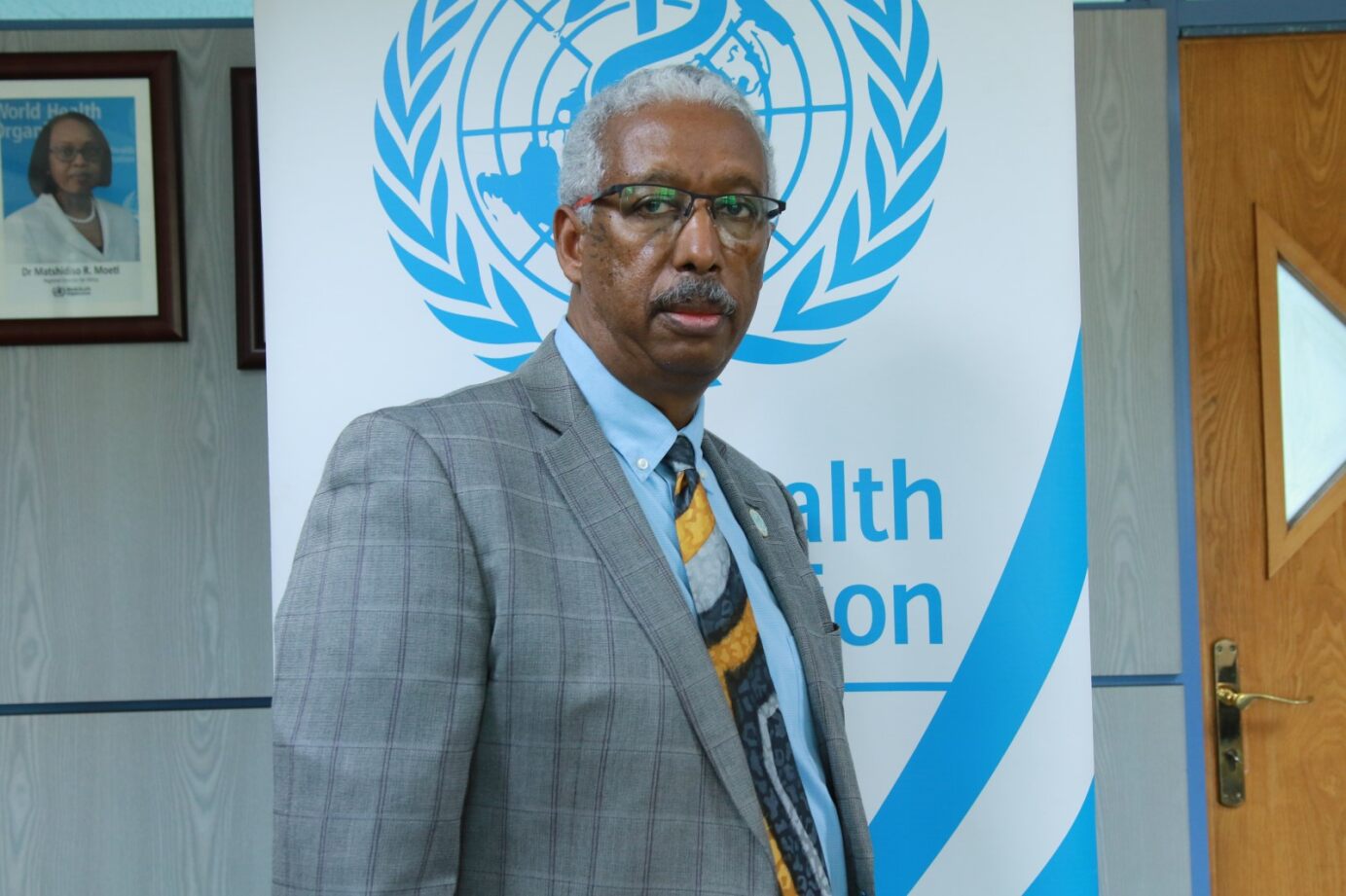
Dr. Clement Peter- WHO Representative - Liberia
The right to health for all people means that everyone should have access to comprehensive health services without suffering financial hardship
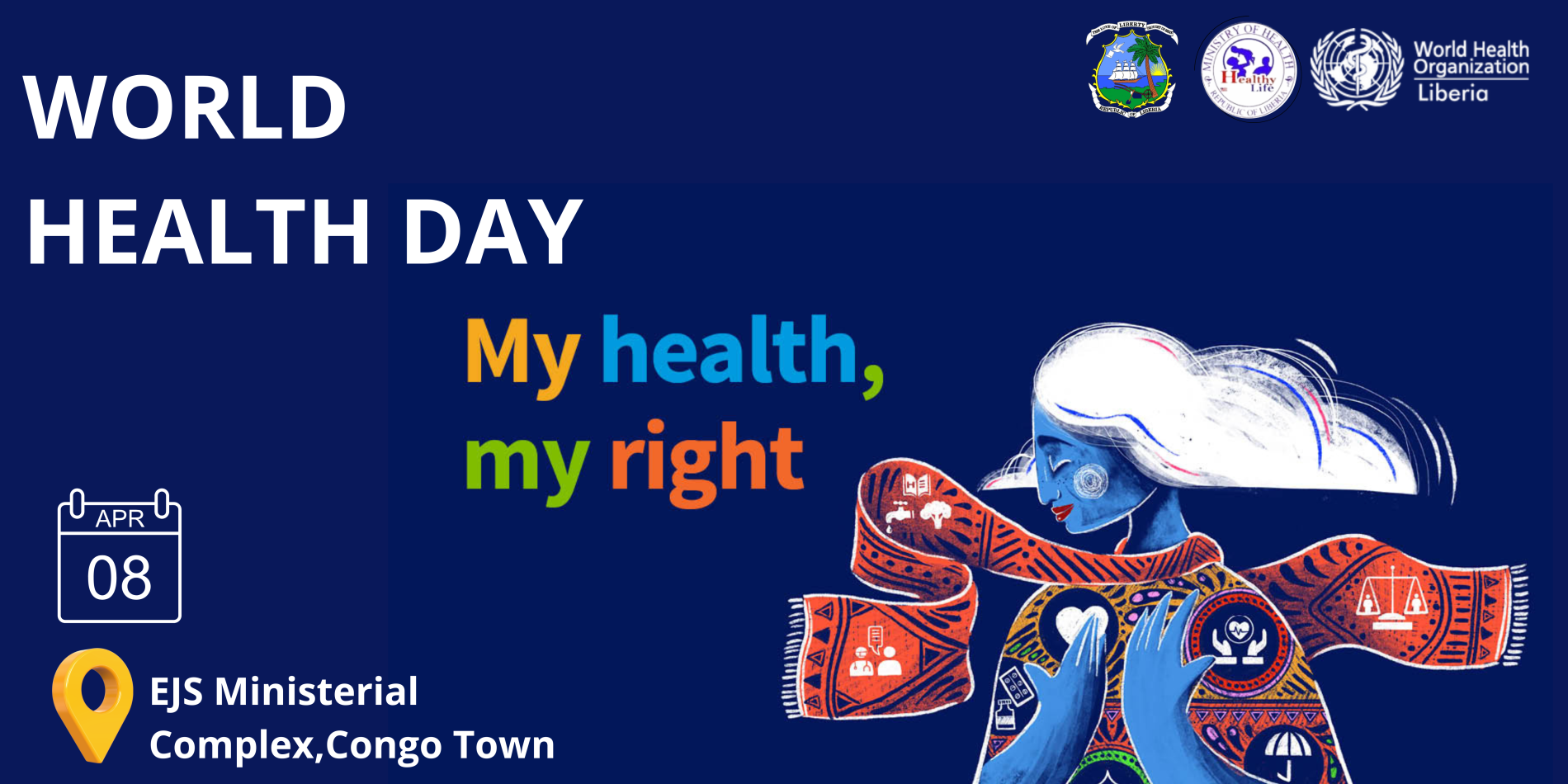
Today, Uganda joins the rest of the world in commemorating World Health Day with the theme "My health, my right". This theme highlights that the enjoyment of the highest attainable standard of health is a fundamental right of every human being irrespective of race, religion, political belief, economic or social condition. The right to health for all people means that everyone should have access to the health services they need, when and where they need them, without suffering financial hardship.
Ensuring that all Ugandans fully enjoy their right to health requires collaborative efforts from all sectors, partners, and communities under the one health approach
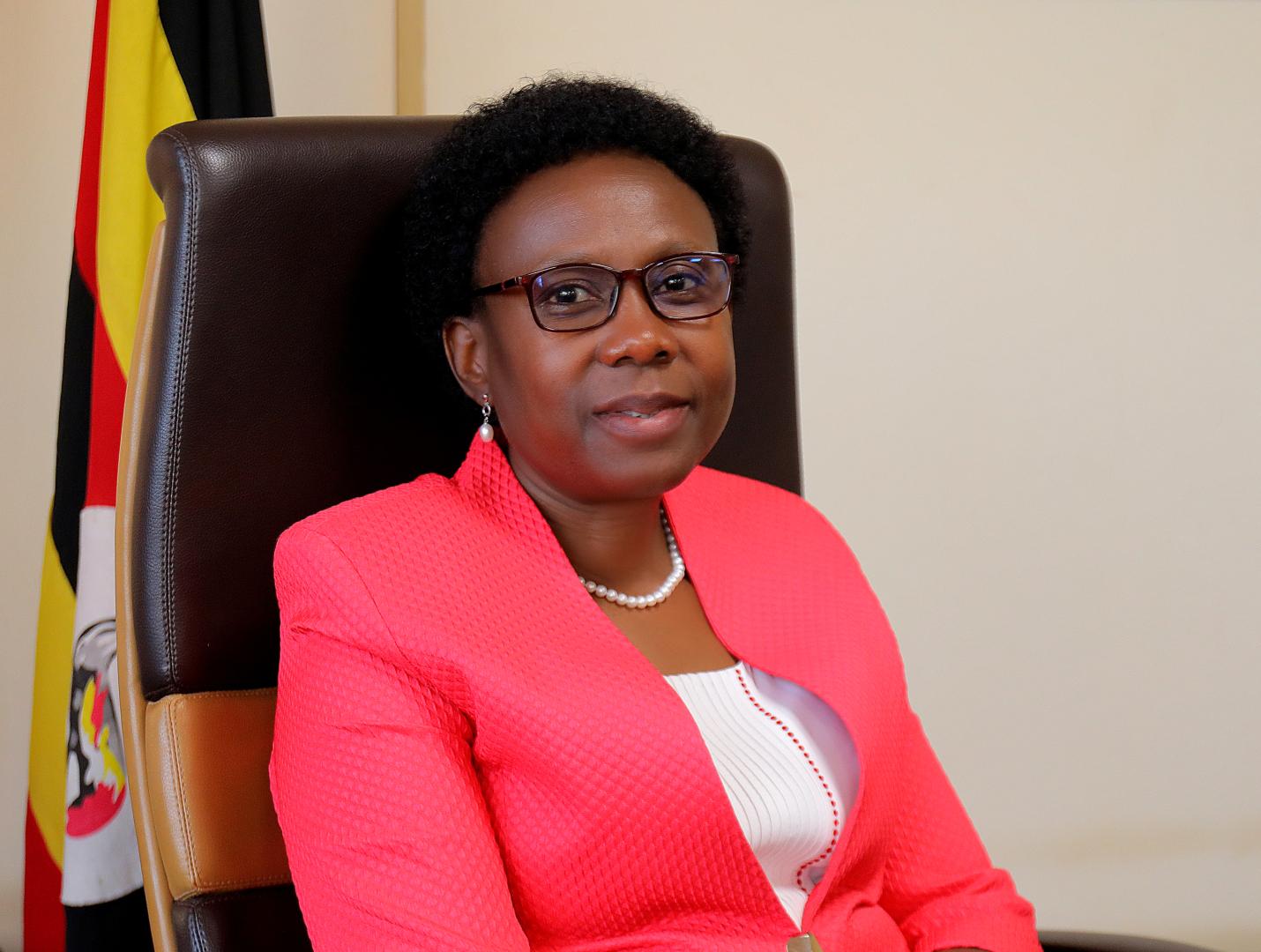
World Health Day is celebrated every 7th April. This year’s theme is “My Health, My Right”. Through this theme, Uganda recognizes that the achievement of Universal Health Coverage requires that people have access to affordable, equitable, good quality, and sustainable health care.
This theme is therefore timely as Uganda continues to implement various interventions to meet the needs of its population based on our commitment to ensuring that our people have access to quality healthcare without facing financial hardship by 2030.
Ethiopia Commemorates World Tuberculosis Day with Renewed Resolve: Ministry Applauds WHO's Contribution
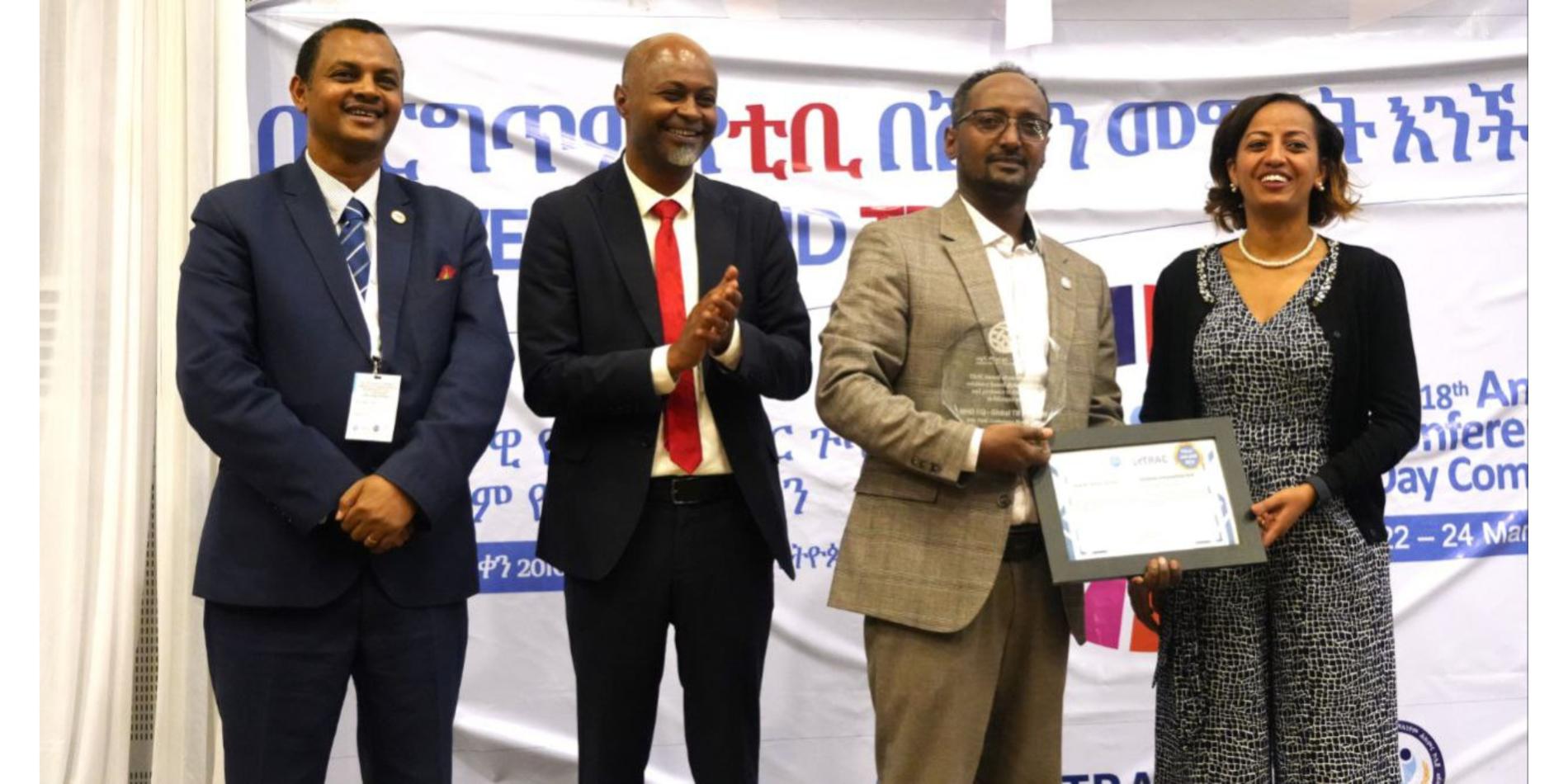
Addis Ababa, March 24, 2024
Ethiopia commemorated World Tuberculosis Day (WTD) with renewed resolve, hosting a series of events, including a TB Research Conference held in the capital, Addis Ababa, from March 22nd to 23rd, 2024, to raise awareness about the global fight against Tuberculosis (TB).
Strengthening capacity on implementing Primary Health Care Quality Standards
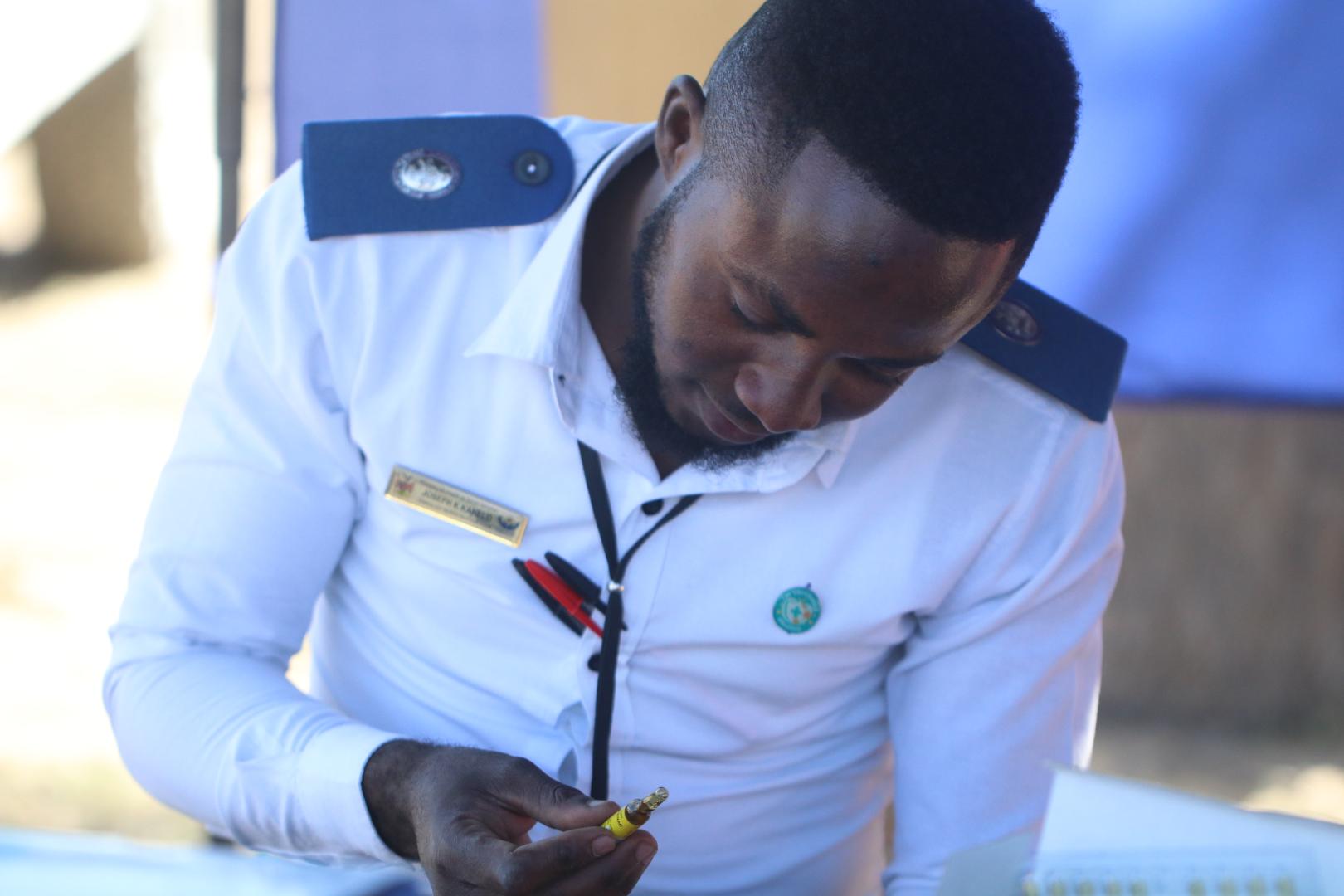
The Ministry of Health and Social Services (MoHSS) is committed to improving the quality of healthcare services across Namibia. In collaboration with the World Health Organization (WHO), Centre for Disease Control and Prevention (CDC) Namibia, and other stakeholders, MoHSS has rolled out the National Primary Health Care Quality Standards. The quality standards aim to improve the quality of healthcare services at the PHC level by ensuring patient safety, providing client-centered care, strengthening health management systems and promoting health equity.
Policy Dialogue Calls for Private Sector Engagement in Tertiary Healthcare Services in Ethiopia.
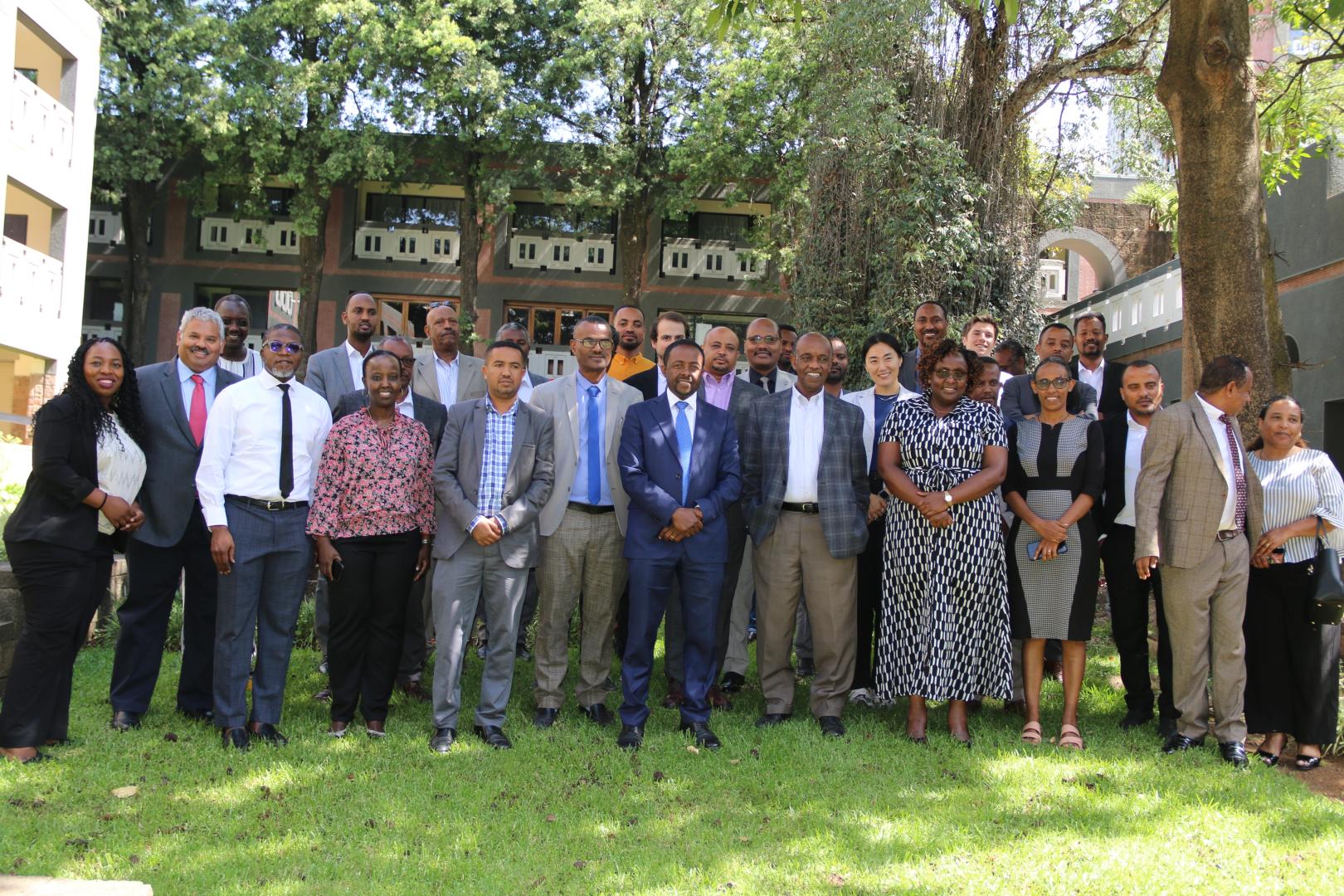
The Ethiopia National Center of the Africa Health Observatory Platform on Health Systems and Policies (AHOP), in close collaboration with the Federal Ministry of Health (FMoH) and the World Health Organization (WHO), successfully conducted a "Policy Dialogue on Engagement of the Private Health Sector in the Delivery of Tertiary Healthcare Services in Ethiopia."
COVID-19 heroes: Older people taking responsibility for their health
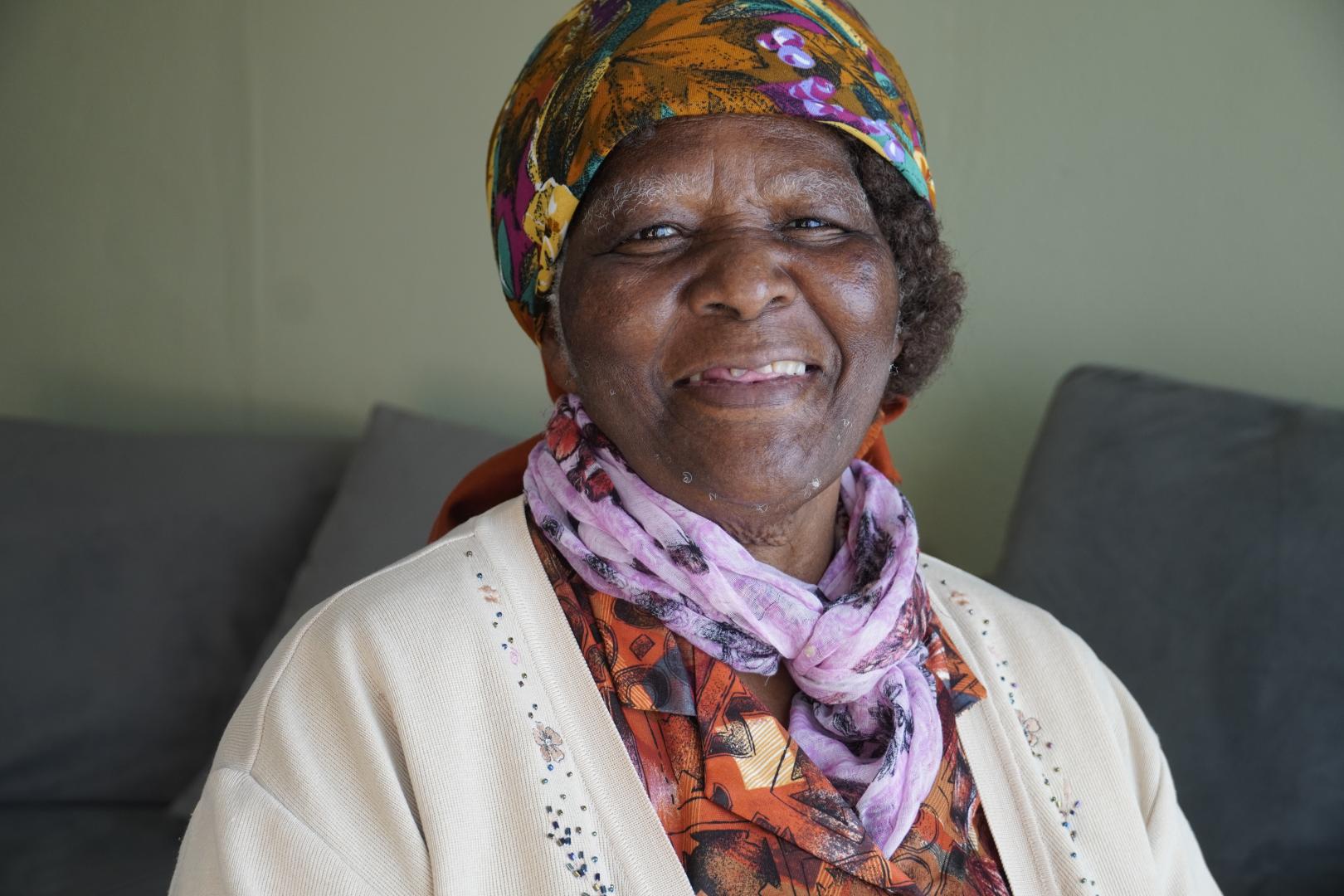
Mbabane ‒ The Kingdom of Eswatini, like the rest of the world, was immensely affected by the COVID-19 pandemic, experiencing different waves each affecting an increasing number of people. Between March and December 2020, the country experienced three waves. The reported cases were 6,633 in the first wave increasing to 10,313 cases in the second wave and 45,971 cases in the third wave.
Delivering over 50 metric tons of medical supplies to the Blue Nile and Nuba Mountains in Sudan
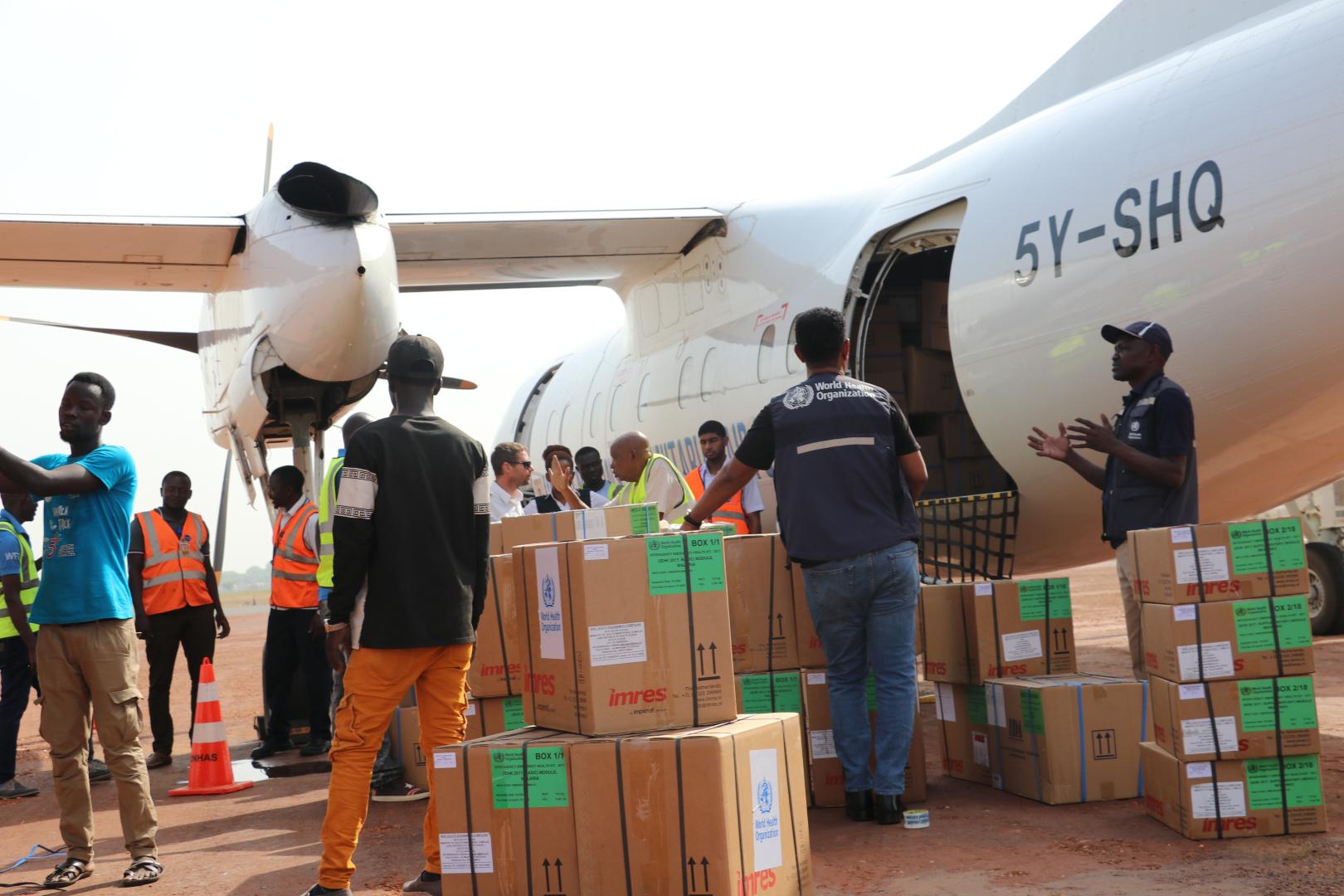
The ongoing crisis in Sudan has significantly impeded the ability of the WHO office in Sudan to access and deliver essential emergency medical supplies to the regions of the Blue Nile and Nuba Mountains.
Due to the limited access and operational capacity in Sudan, the WHO Country Office in Sudan collaborated with WHO South Sudan office to facilitate the delivery of humanitarian commodities from South Sudan and provide the necessary support.