
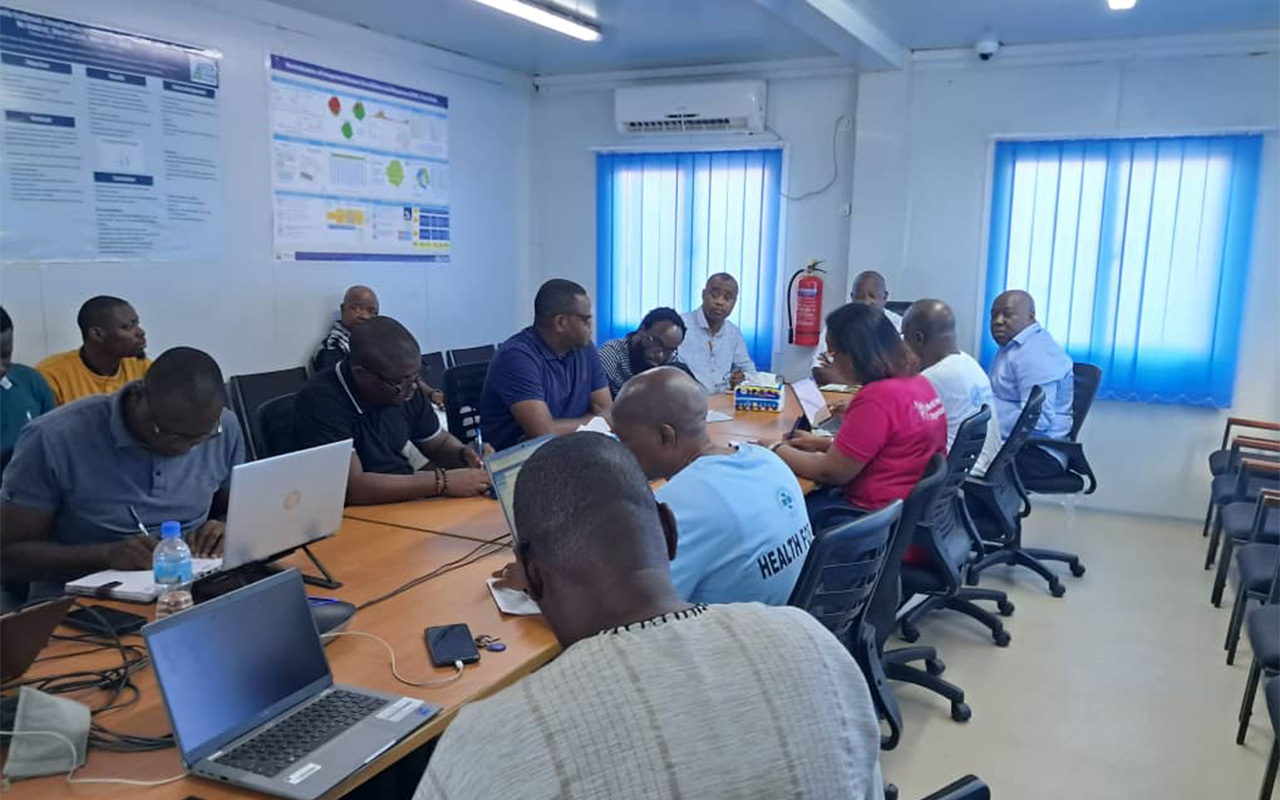
Sierra Leone Confirms New Cases of Polio Variant, Implements Comprehensive Response Plan
Eliminating tuberculosis to protect citizens
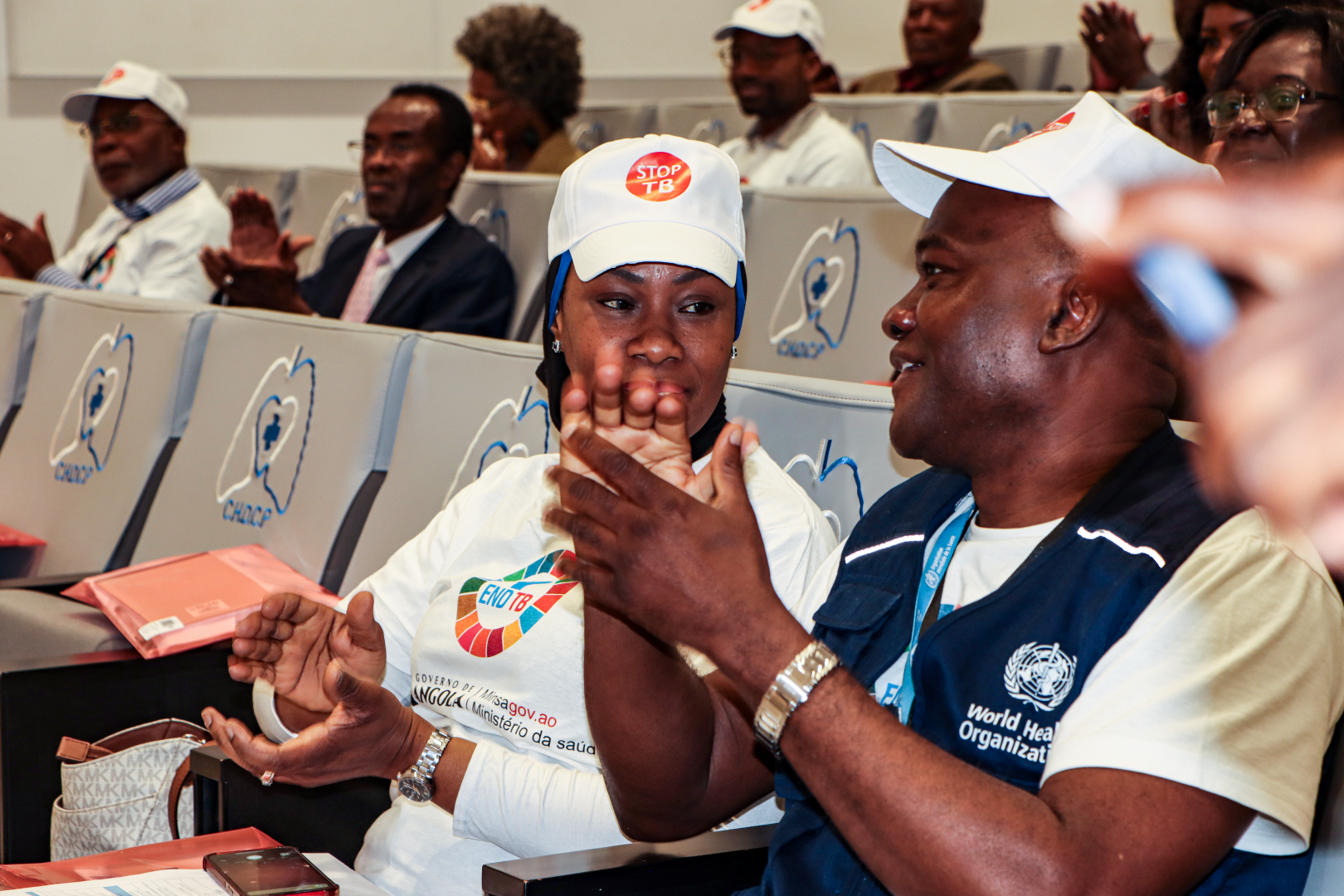
To end tuberculosis and protect its citizens, Angola has been intensifying its actions to fight tuberculosis (TB), which resulted in a significant improvement in the service network's coverage in 2018.
According to the Secretary of State for Public Health, Professor Dr. Carlos Pinto de Sousa, tuberculosis represents the 3rd leading cause of morbidity and mortality in the country, which requires everyone's participation to eliminate it.
Active TB case-finding in Lesotho: Health facilities stepping up to the challenge
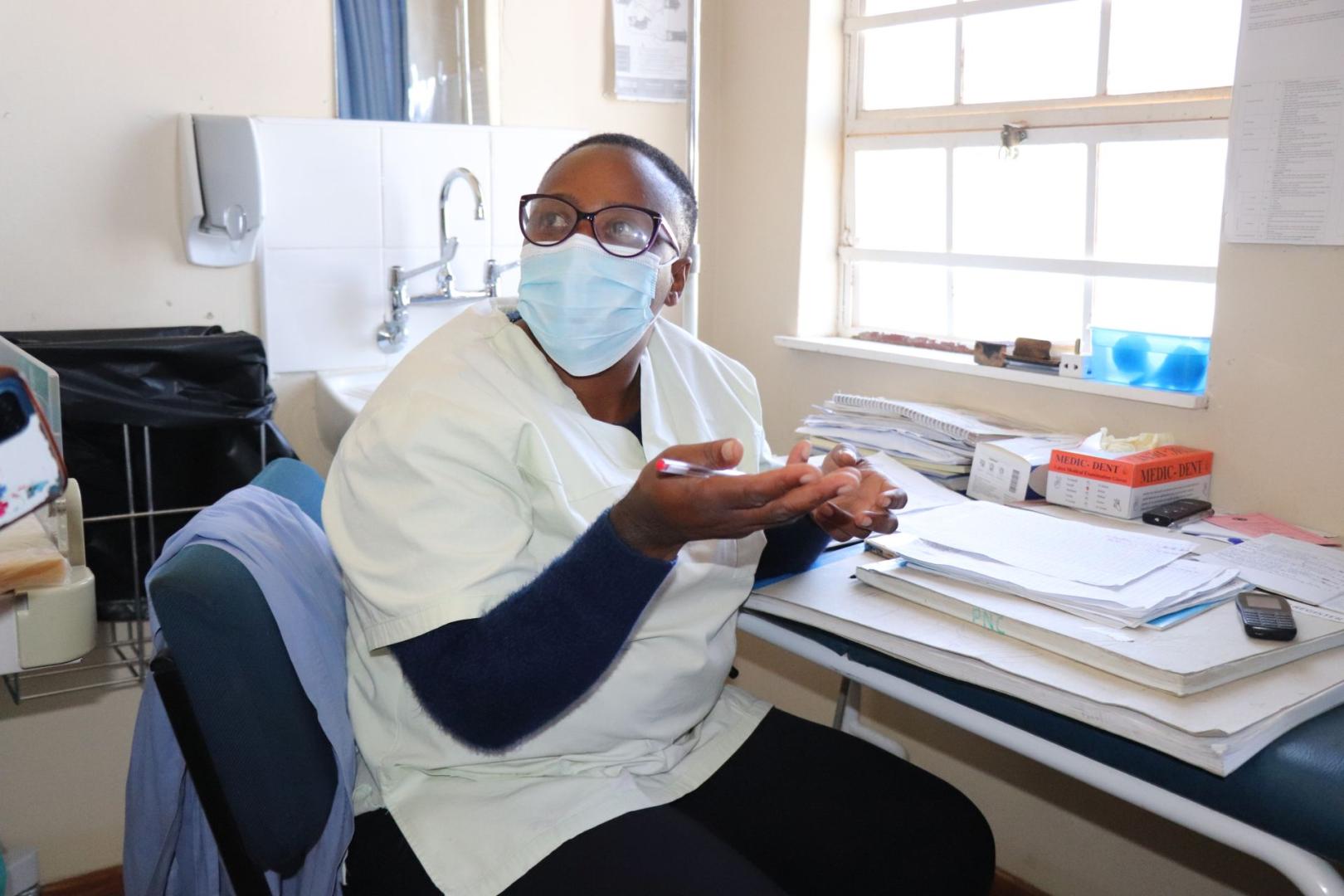
Maseru – When mother-of-three Mamfe Motloheloa tested positive for tuberculosis (TB), the diagnosis not only saved her life, but also those of her children. “My condition was critical. I was rushed from the clinic to the hospital, where my treatment journey started,” recalls Motloheloa.
Health managers in Namibia supports the integration of Behavioral insight in public health
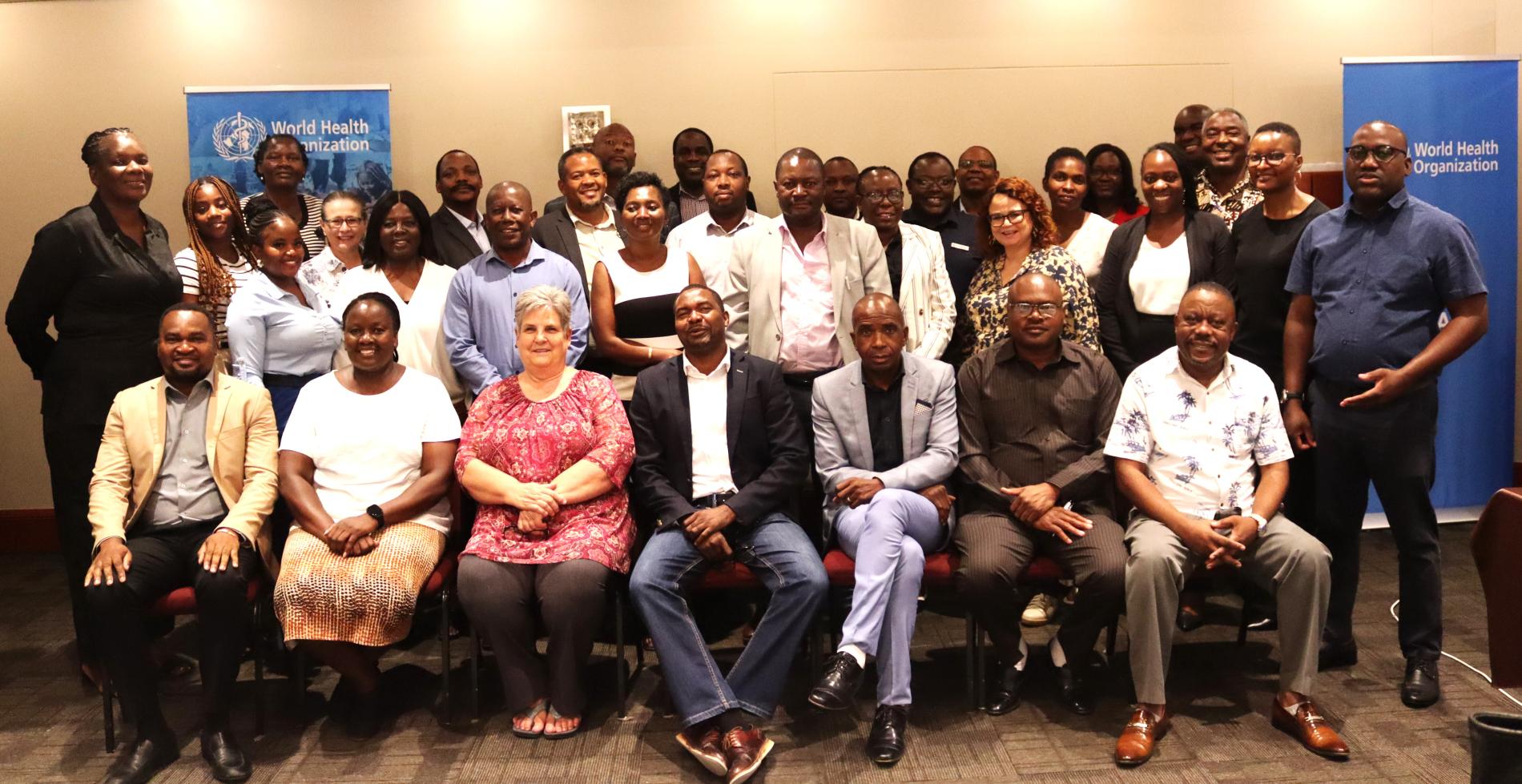
There is increasing recognition that human behavior is a key determinant of health which can either enhance or comprise population health.
Cigarette smoking, excessive alcohol consumption, other substance abuse, unhealthy dietary habits, sedentary lifestyles, and nonadherence to effective medication regimens are among the health-compromising behaviors identified and targeted for modification or prevention with consequent benefit to public health[1].
Uganda’s Health System Addresses the Health Needs of Refugees, Migrants and Host Communities
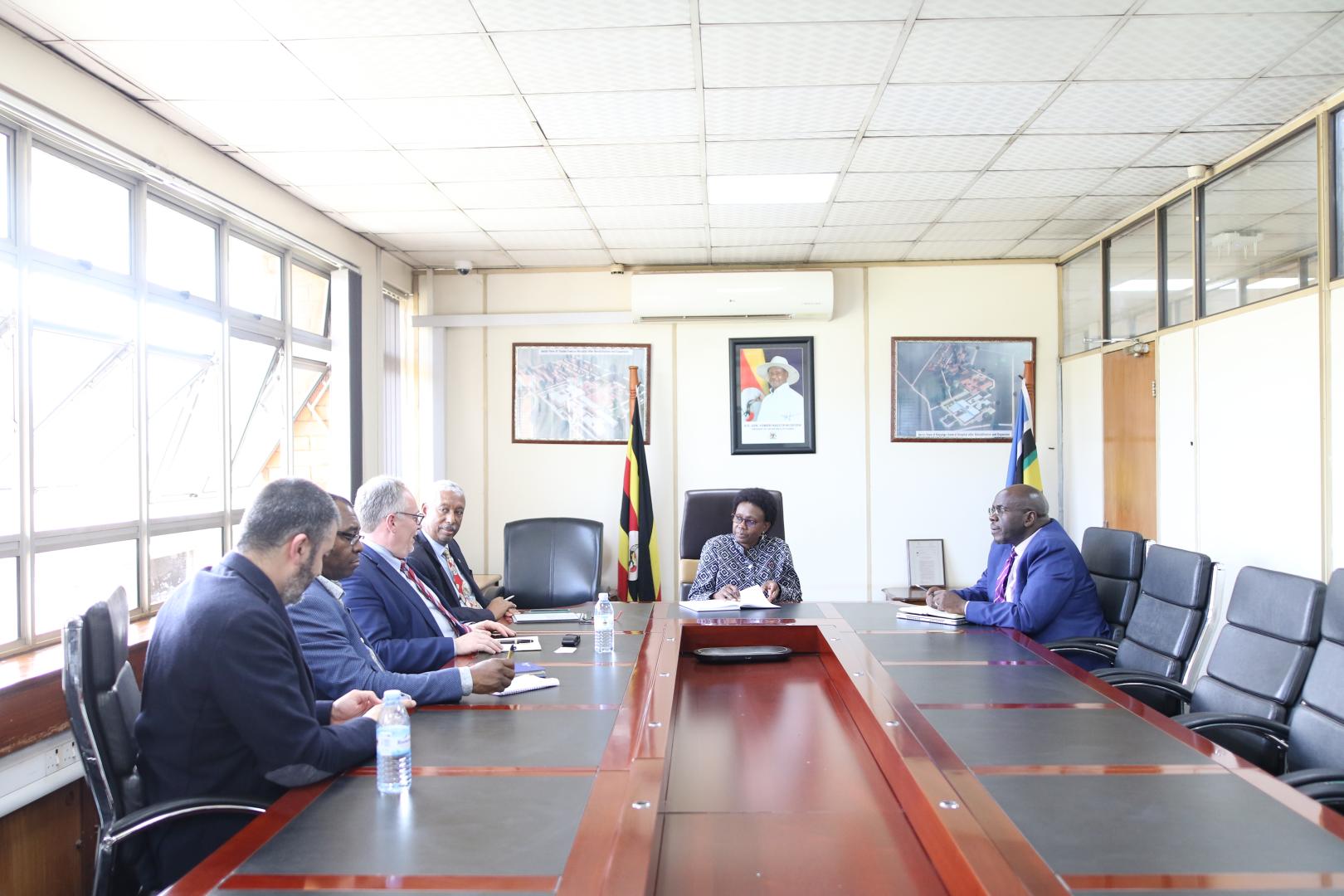
Uganda has a well-established health system that integrates and responds to the needs of migrants, refugees, and host communities. This was the conclusion of the five-day mission to assess the health needs of refugees and migrants conducted from 12th to 16th February 2024 in Kyangwali, Kampala, and Kiryandongo refugee settlements.
Public Health Leaders Unite in The Gambia to Mark World TB Day
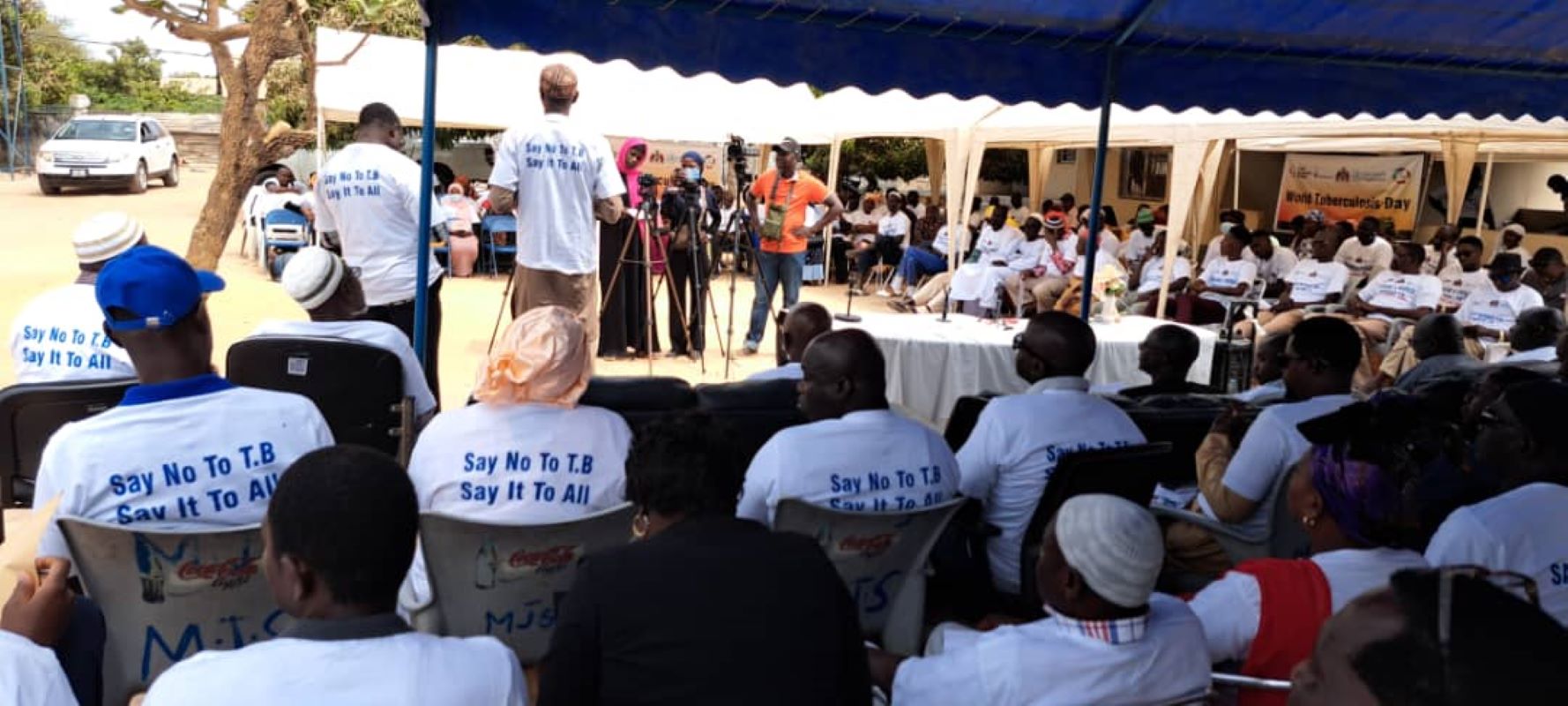
Farato, The Gambia - Public health leaders from across The Gambia gathered at the Farato Health Centre on Sunday to commemorate World Tuberculosis (TB) Day, underscoring the urgent need for coordinated action to combat the persistent threat of TB in Africa. The event, attended by esteemed representatives from the World Health Organization (WHO) and the Ministry of Health (MOH), highlighted both progress made and challenges faced in the ongoing battle against this infectious disease.
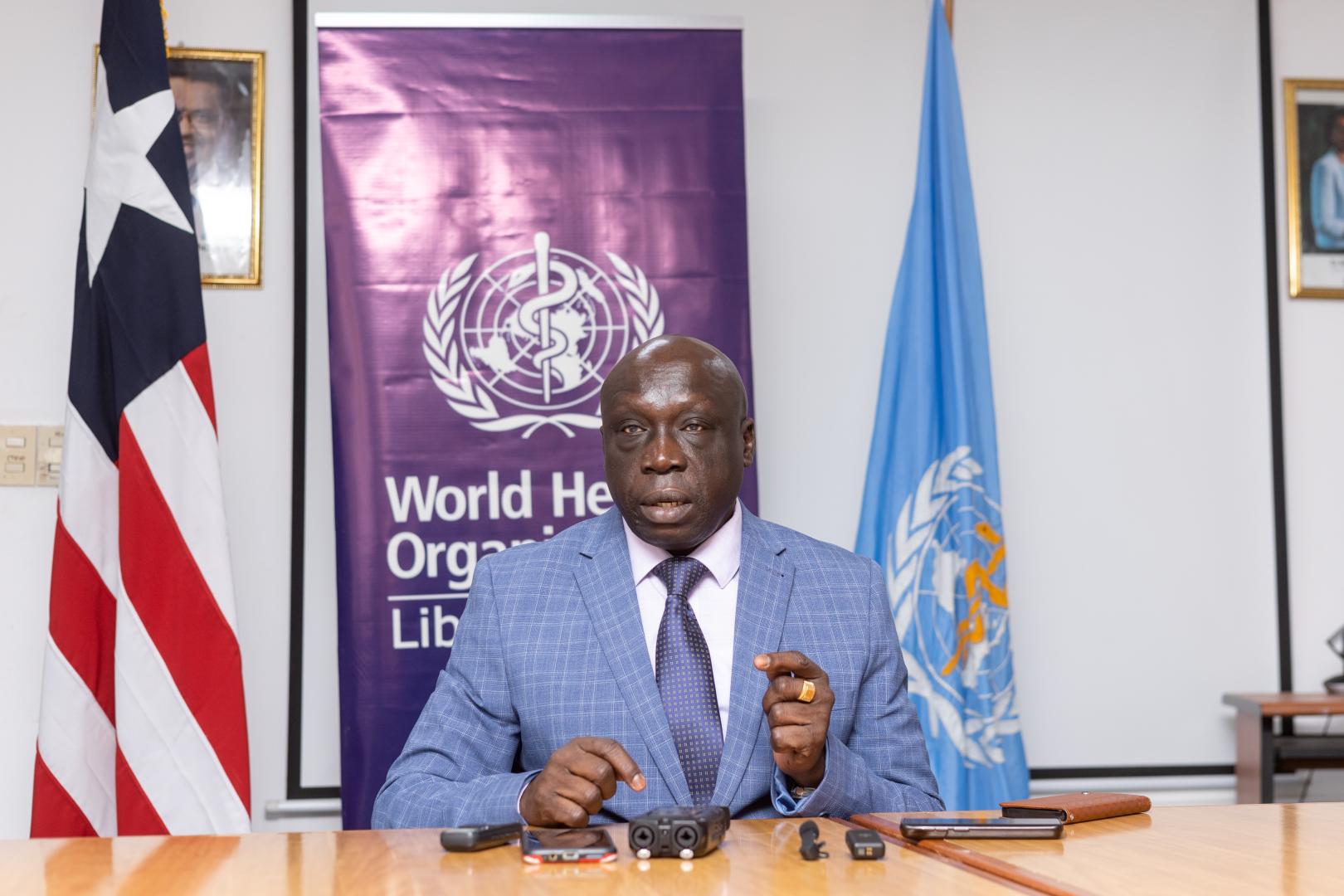
Liberias World Health Day Commemoration Activities Unveiled: "My Health, My Right" in perspective
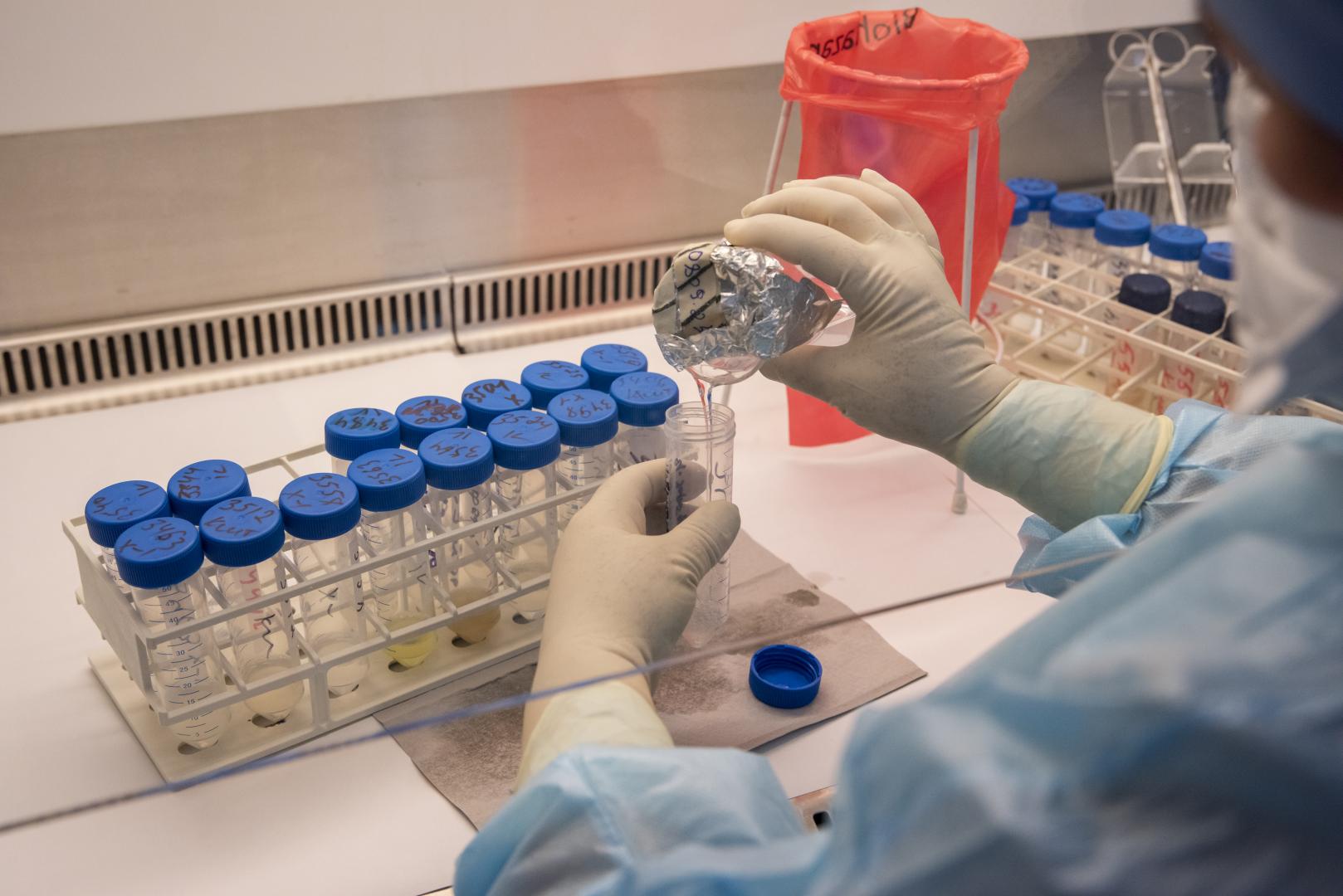
Rate of TB diagnosis, treatment in Africa increasing
Lesotho Endorses Emergency, Preparedness, Response Flagship Initiative Roadmap to Ensure Health Security
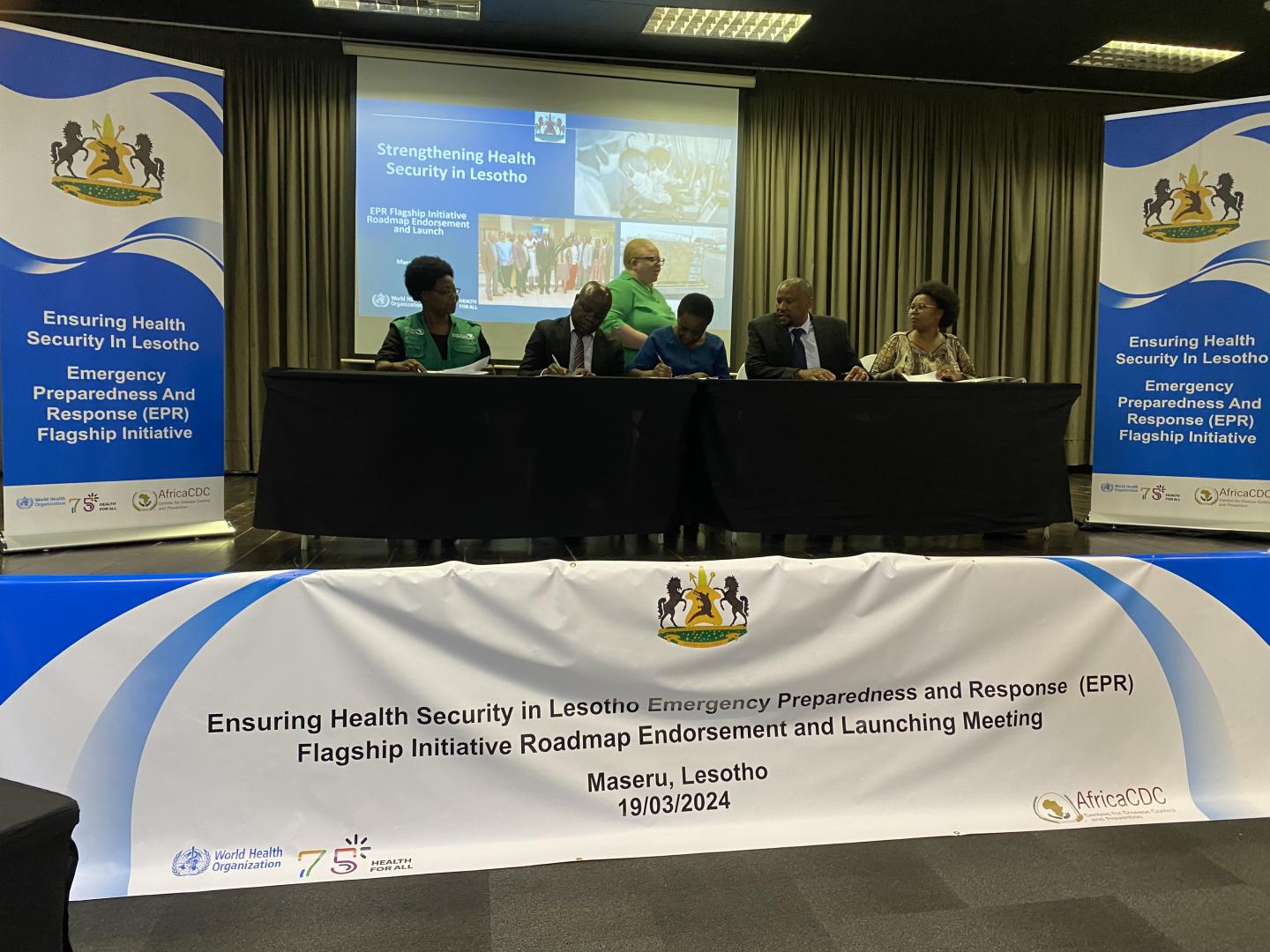
Maseru-The Government of Lesotho has endorsed and launched the Emergency, Preparedness, and Response Flagship Initiative Roadmap. This was done with the support from the World Health Organisation(WHO) and Africa CDC.
WHO supports development of tools to enhance responders’ capacities for risk communication and community engagement
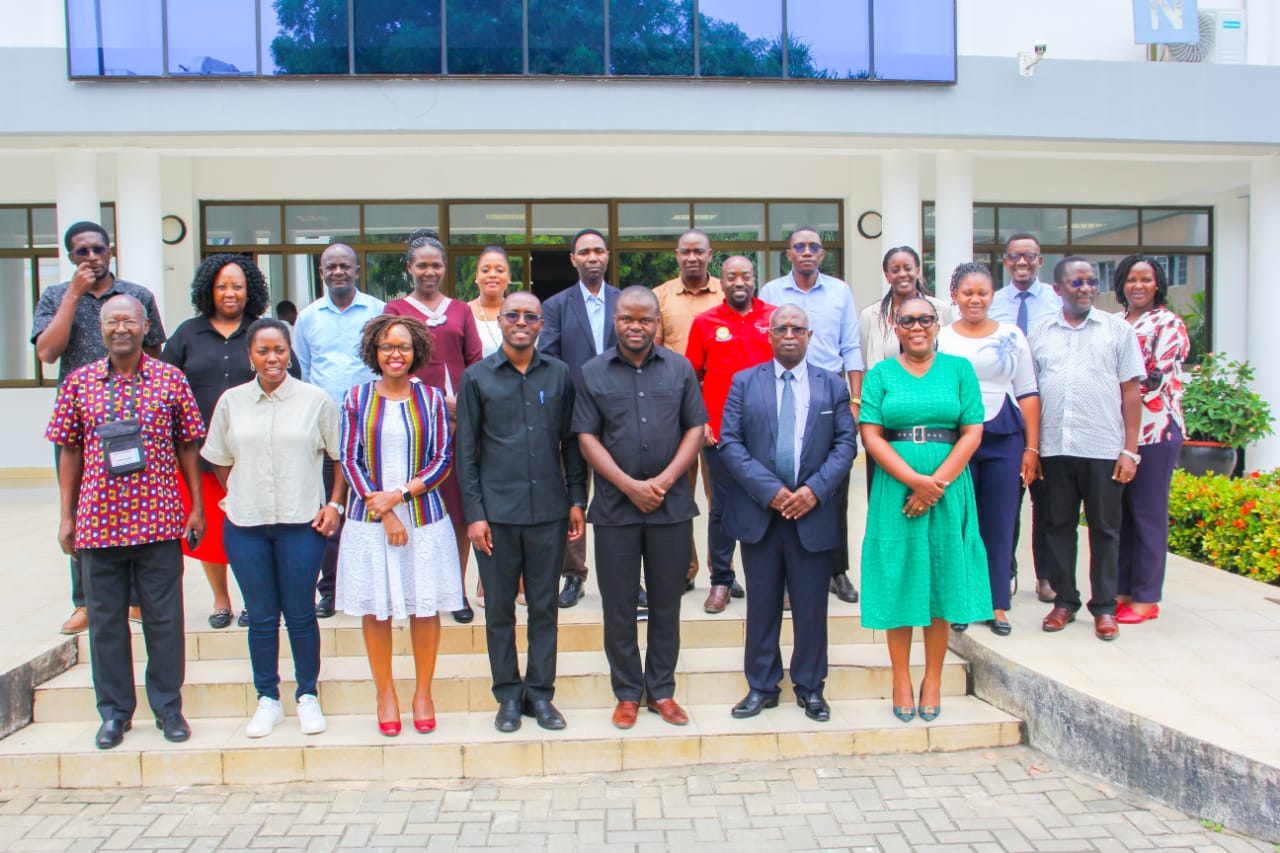
Dar es Salaam- Risk Communication and Community Engagement (RCCE) forms an integral pillar of public health emergency response by playing a significant role in engaging affected and at-risk communities to prevent, detect and respond to health emergencies.
However, the concept of RCCE sounds new to many practitioners globally limiting local capacities to effectively implement social-behavioral interventions against public health emergencies.