Namibia is striving to improve quality of care for maternal and child health
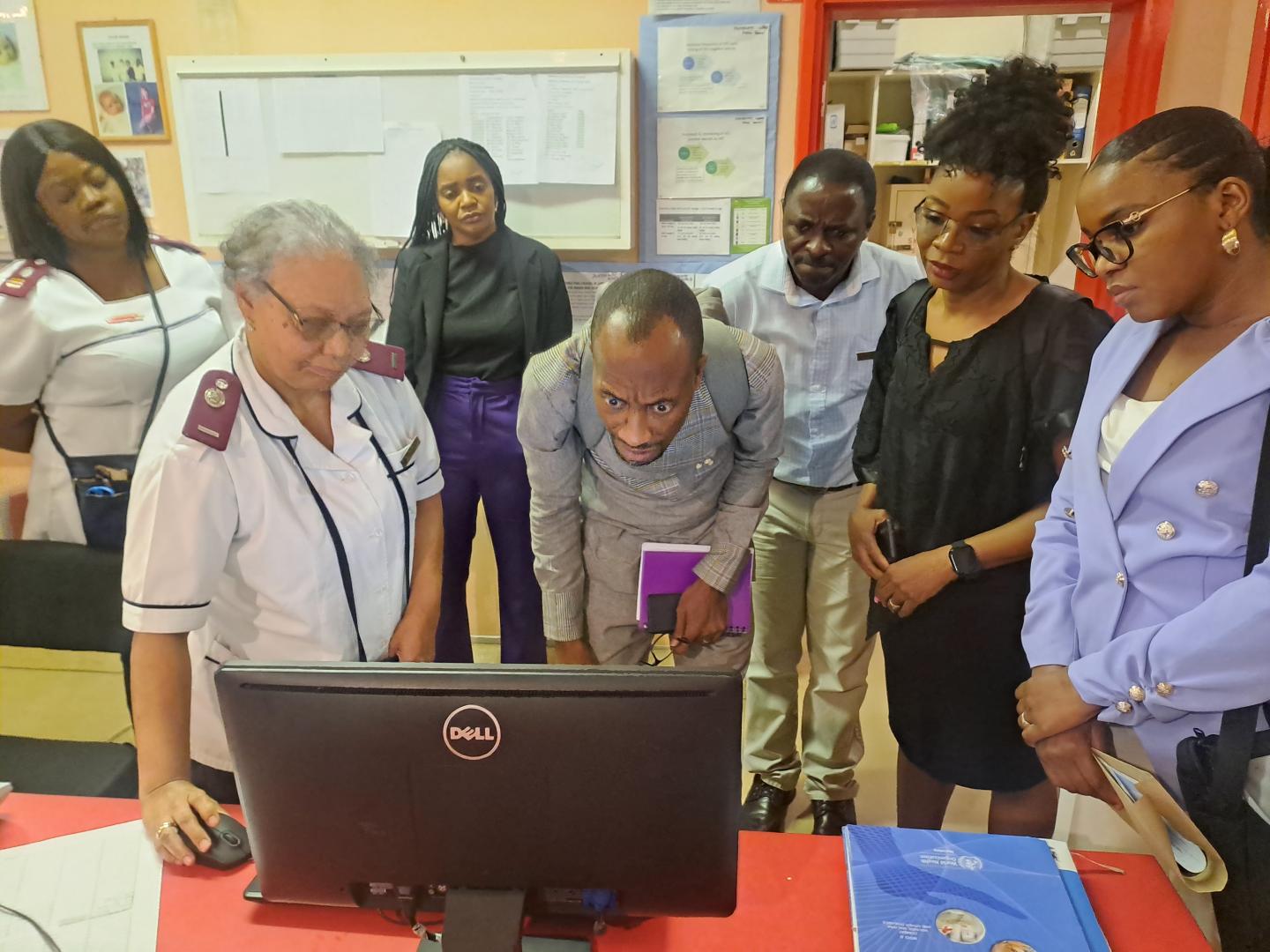
Namibia was one of the countries in the WHO Africa Region (AFRO) to conduct an assessment on the quality of care for maternal and child health in health facilities. WHO’s vision for quality of care is for every pregnant woman and newborn to receive quality of care throughout pregnancy, childbirth, and the postnatal period. The assessment that was conducted in March 2024 was supported by AFRO and aimed to determine the approaches countries employ and document lessons on institutionalizing quality of care for pregnant women and their newborns.
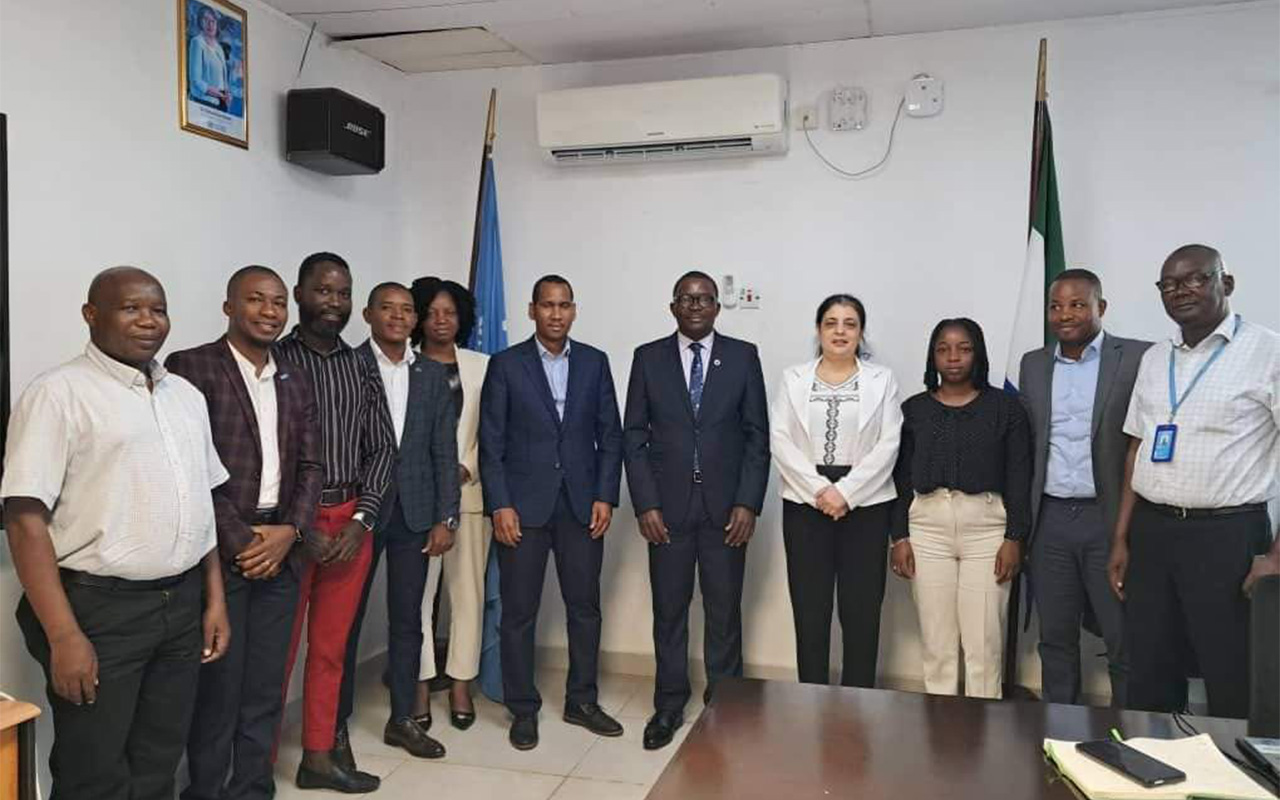
Mozambique Ministry of Health Delegation Visits Sierra Leone for Public Health Learning Exchange
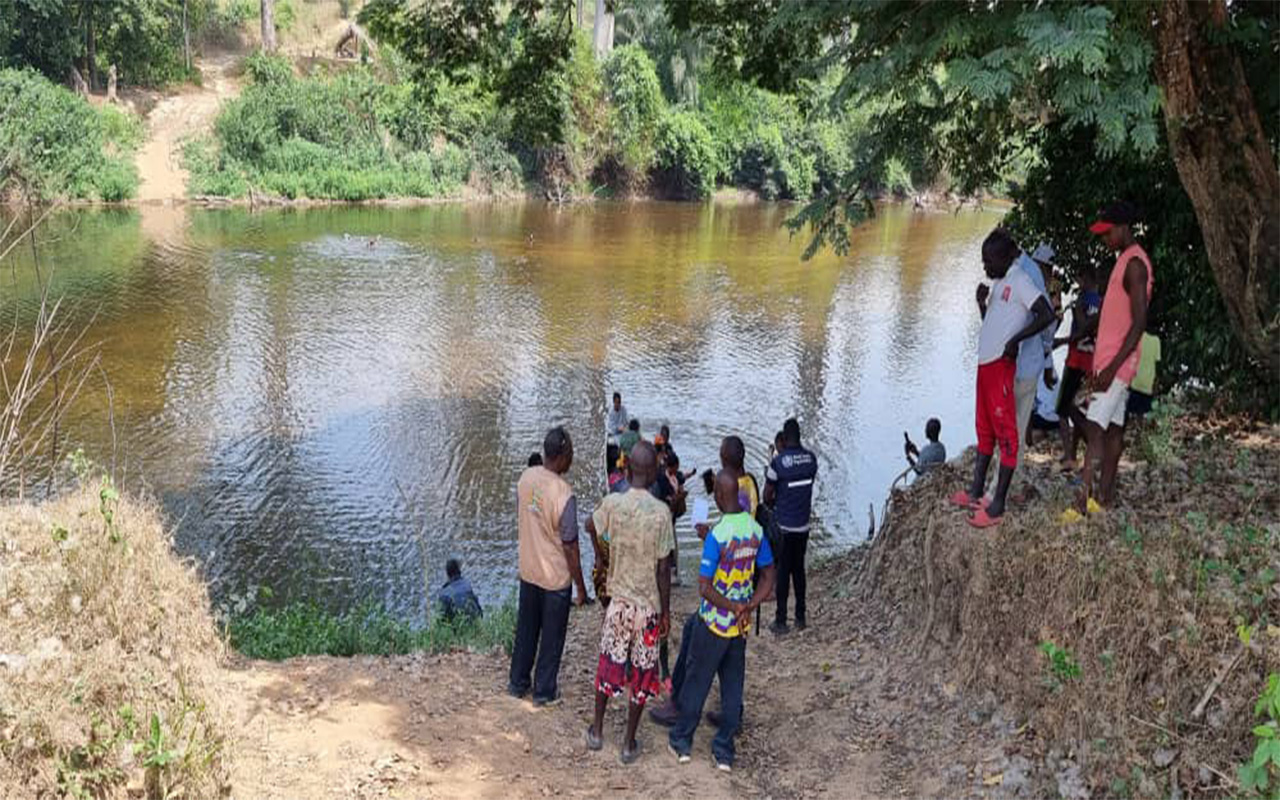
Strengthening Border Health Measures: Sierra Leone's Commitment to the International Health Regulations
Namibia embrace Digital Learning Platform (DLP) to enhance preparedness and response to Public Health Events
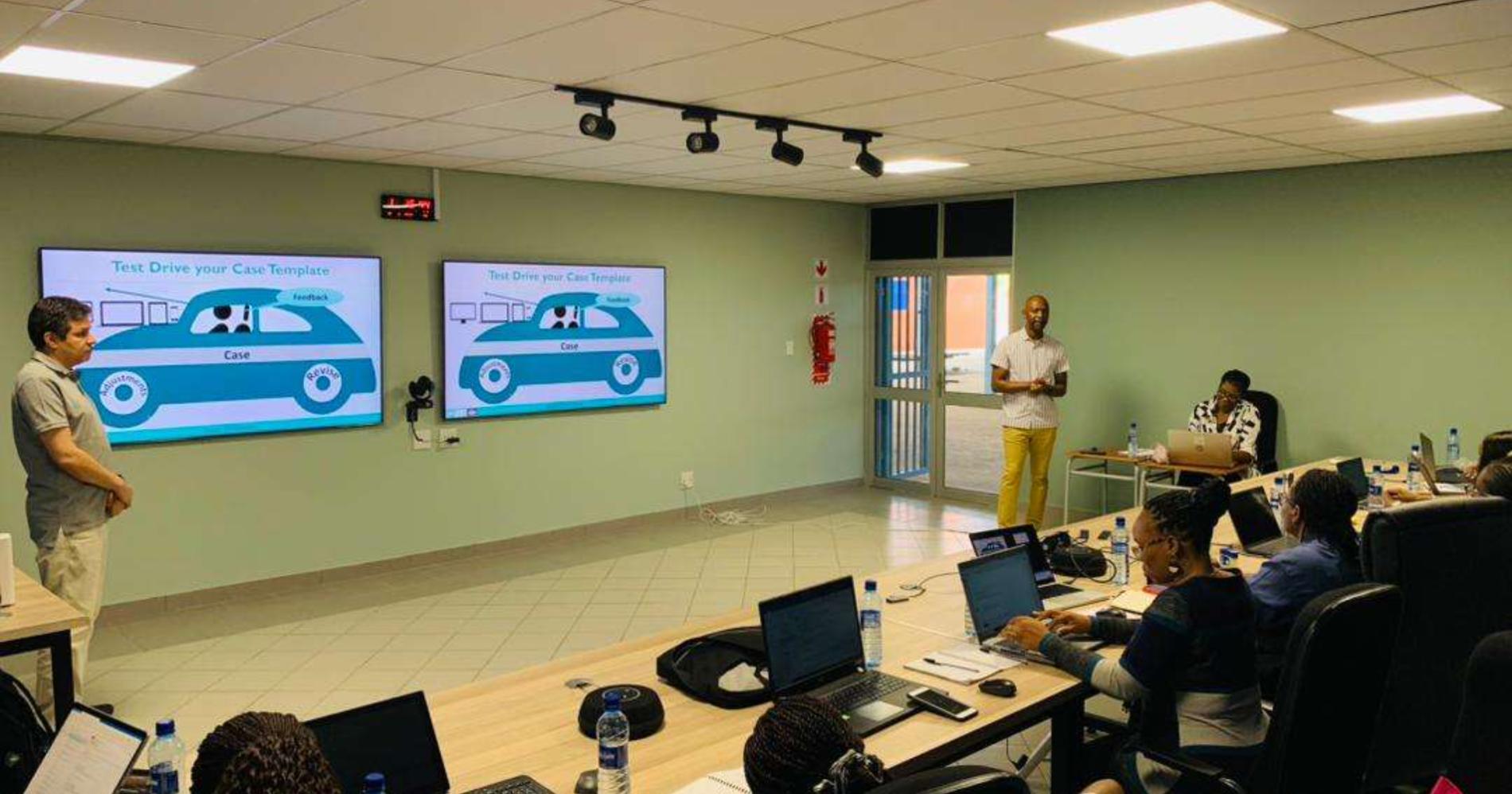
In September 2022, Namibia joined other Member States in the WHO African Region to implement the Emergency Preparedness and Response Flagship (EPR) Initiative aimed at strengthening, emergency preparedness and response, disease surveillance, including laboratory capacities of countries across Africa. In line with the implementation of EPR flagship initiative, one of the key components calls for member states to have database of surge staff trained in emergency management and ready for deployment within 24 -48 hours to respond to public health events in country and beyond.
Eritrea Observed World TB Day 2024
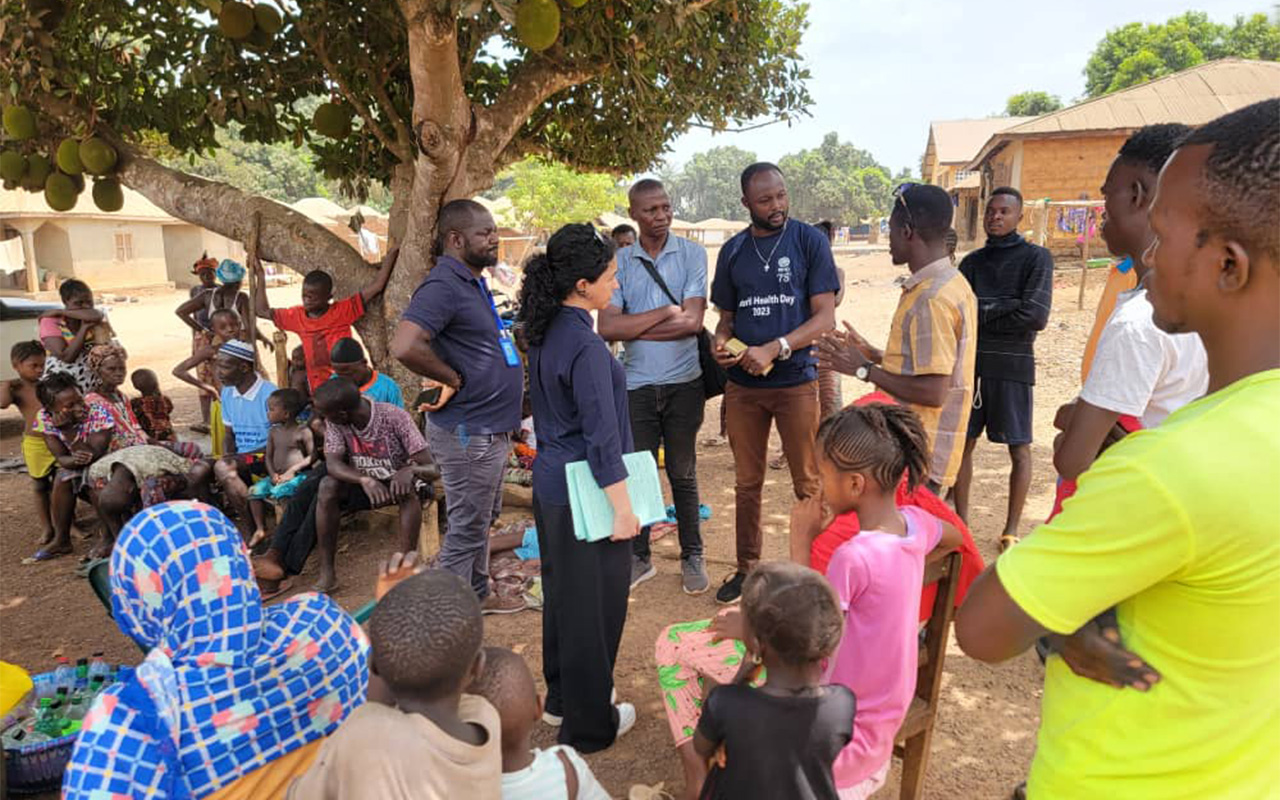
WHO Supports Efforts to Investigate and Address Watery Diarrhea Outbreak in Falaba District, Sierra Leone
African island states take fresh step towards joint medicines procurement
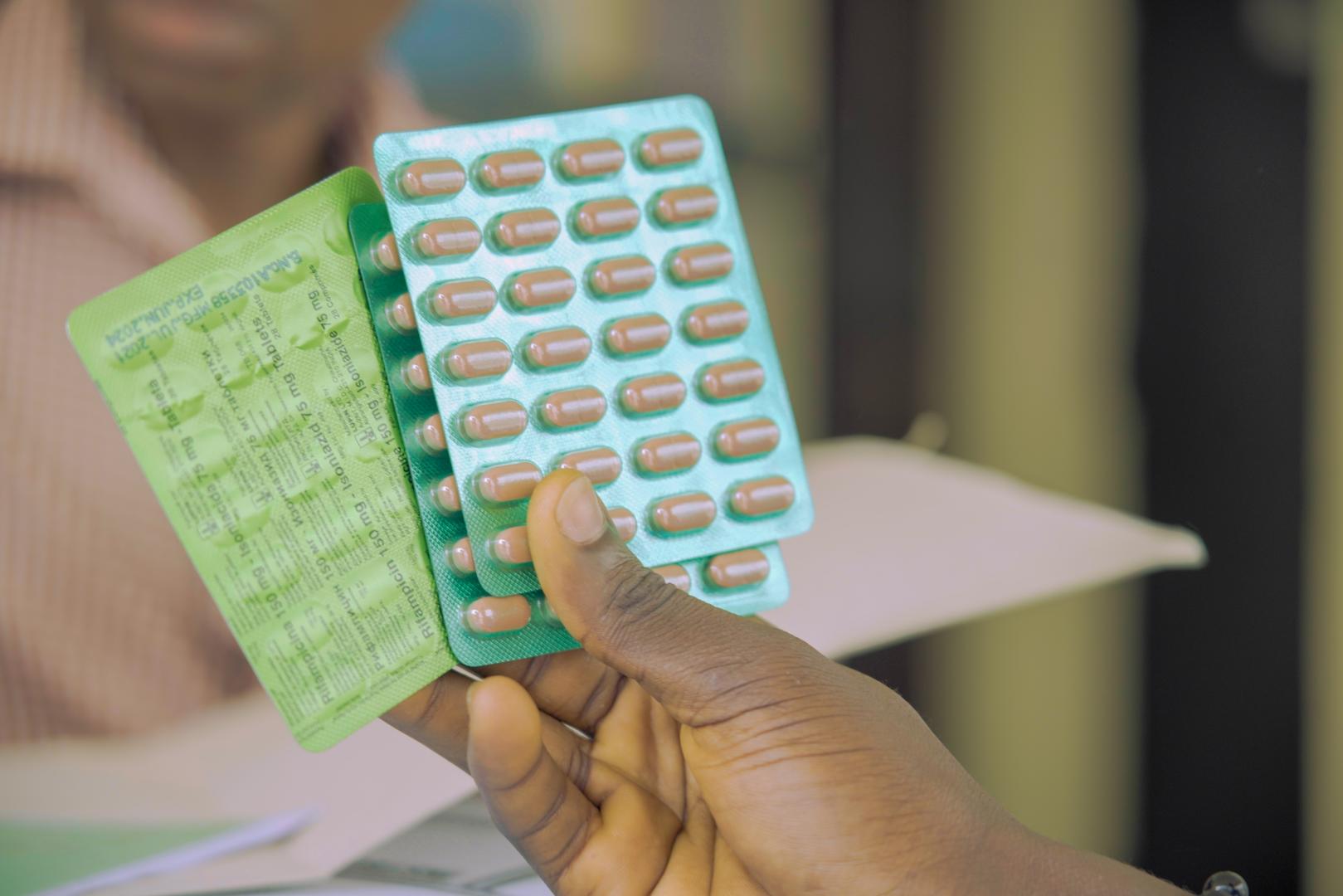
Victoria ‒ In a further move towards pooled procurement of essential medicines and medical products, Ministers of Health from small African islands states established a secretariat and elected Mauritius as the host, taking critical steps to launch joint operations for increased access to affordable, quality-assured and safe medicines and medical supplies.
WHO supports development of Tanzania’s National Action Plan to champion health security.
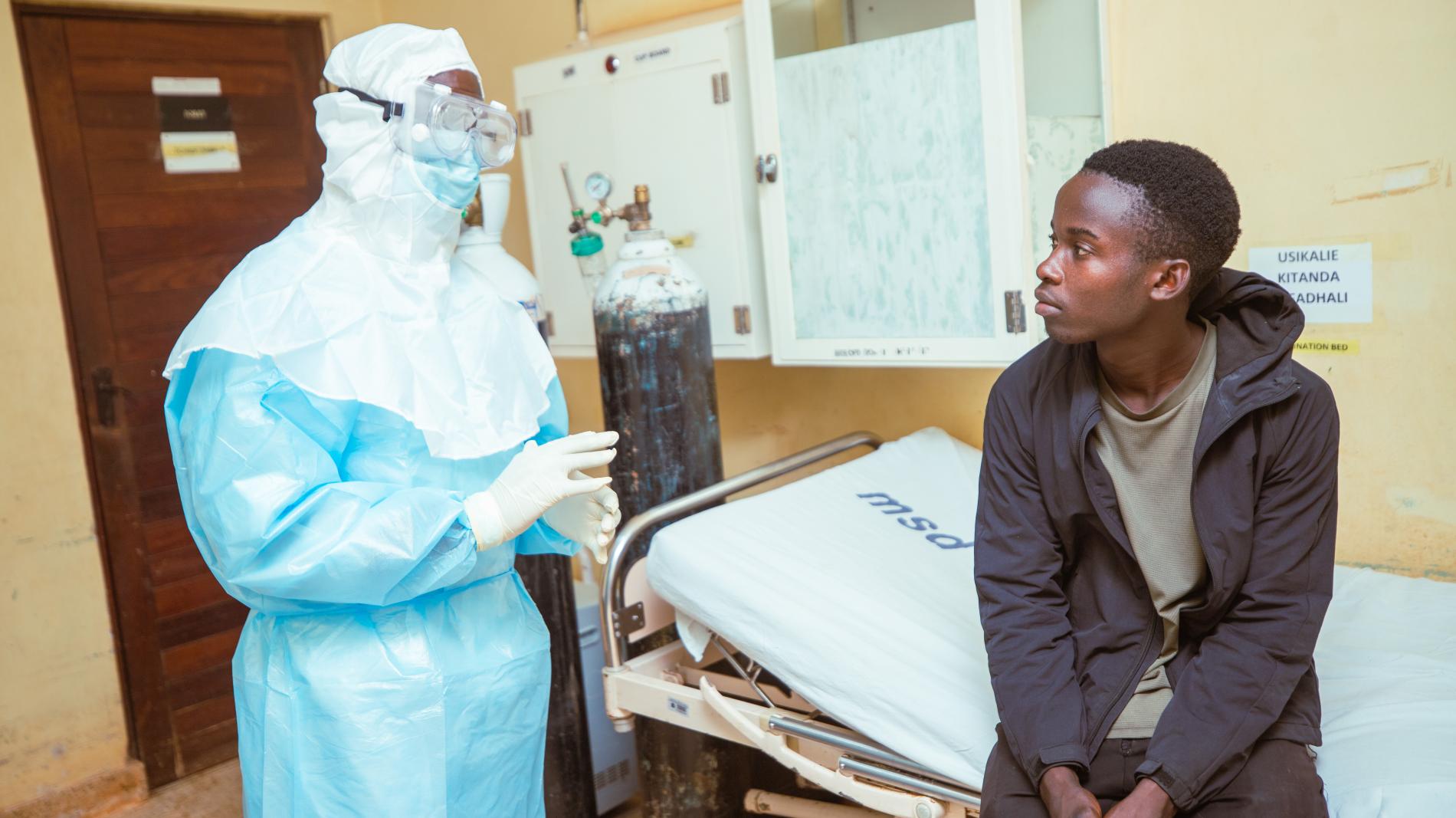
Arusha: Tanzania conducted Joint external Evaluation (JEE) in 2023 with results showing that 73% of the indicators had demonstrated developed capacities between the score levels of 3 to 5. Key recommendations on interventions that could move the country higher and better prepared to prevent, detect, and respond to health threats and emergencies were made.
Government of Japan Commits Over 1.8 Million USD for Health, Nutrition, and Rehabilitation Activities in Northern Ethiopia

Delivering Basic emergency care with confidence
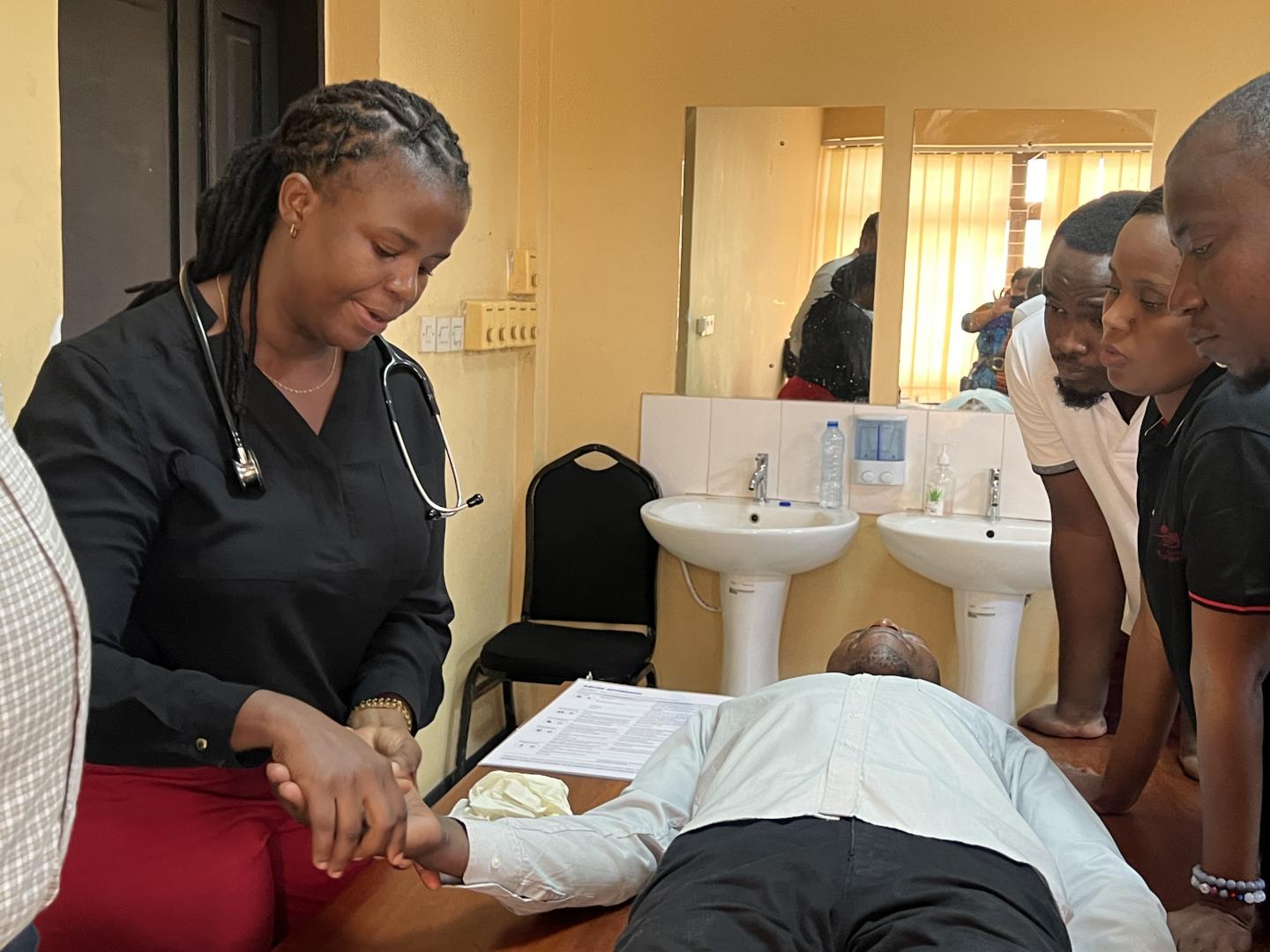
Dar es Salaam: What started as a calm and regular shift for Dr Iddauha Mohammed, a young surgeon in Same District hospital in Kilimanjaro Region, swiftly turned into a state of emergency, when a road traffic crash patient was rushed into the health care facility.