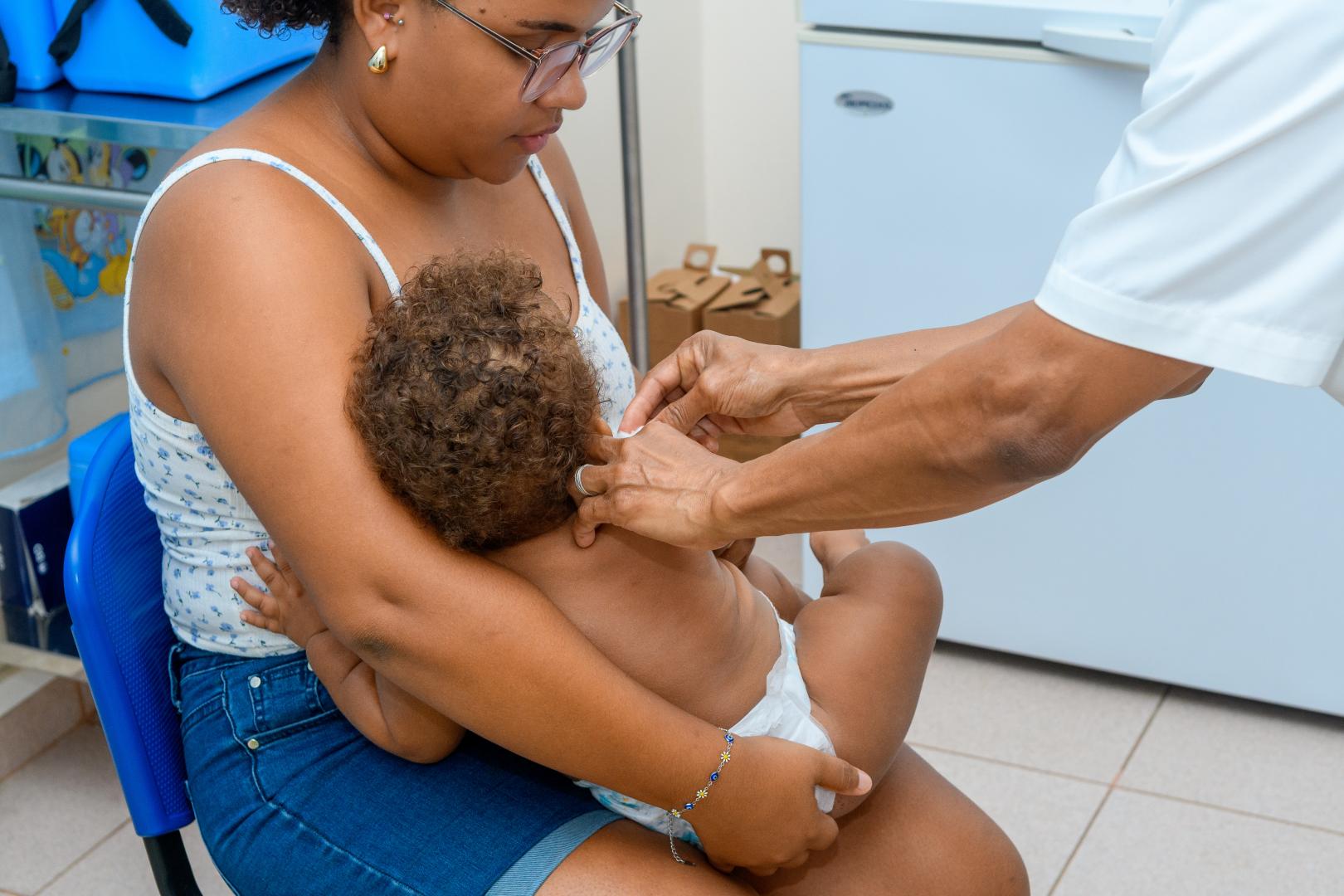
Cabo Verde, Mauritius and Seychelles eliminate measles and rubella
Sierra Leone achieves nationwide coverage for cervical cancer screening and treatment
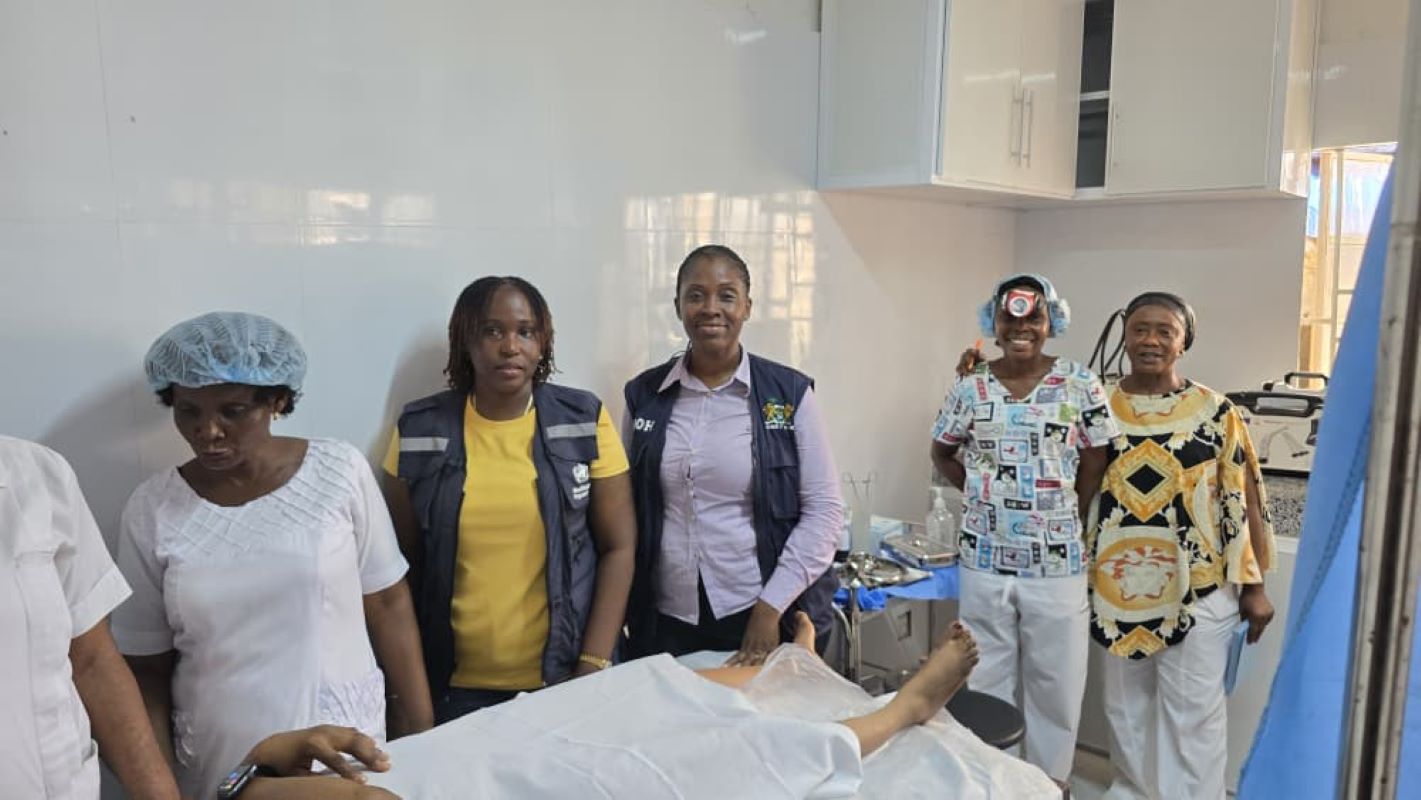
Freetown—Sierra Leone has reached a significant milestone in its efforts to eliminate cervical cancer, achieving 100% district coverage for screening and treatment services.
Kenyan Senate Speaker Urges African Scientists to Champion Homegrown Health Solutions
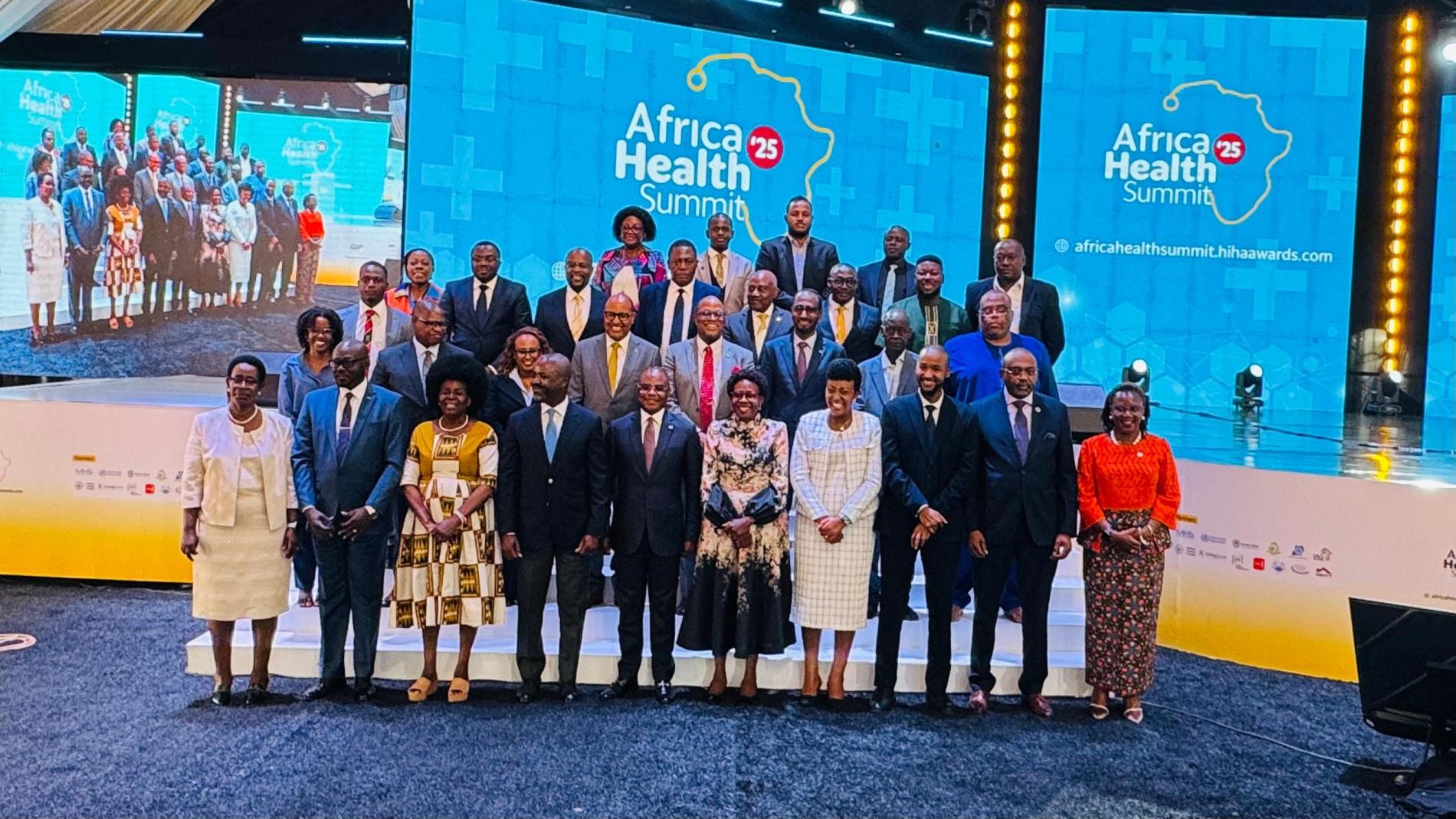
The Speaker of the Senate of the Republic of Kenya, Rt. Hon. Amason Jeffah Kingi, has called for bold, African-led strategies to tackle the continent’s health challenges. Speaking as Chief Guest at the Inaugural Africa Health Summit in Kampala, held under the theme “Reclaiming Africa’s Health Future: From Dependency to Sovereignty through Innovation and Solidarity”, Hon. Kingi emphasized that Africa must move beyond diagnosing problems to delivering solutions at scale.
Strengthening Zambia’s public health: WHO walk-through at UTH virology laboratory
On 13 November 2025, the WHO Country Office in Zambia led a walk-through visit to the Virology Laboratory at the University Teaching Hospital (UTH) in Lusaka. The visit, attended by WHO Country Representative, Dr Clement Peter Lasuba, WHO staff from the EPI cluster, the GPEI Coordinator, and representatives from the Ministry of Health’s Laboratory Services, aimed to review progress on the refurbishment of the National Polio Laboratory, a cornerstone of Zambia’s disease surveillance and outbreak preparedness.
Ethiopia confirms first outbreak of Marburg virus disease
Fleming Fund-supported efforts strengthen Sierra Leone’s defence against antimicrobial resistance:

Freetown—Sierra Leone has accelerated national efforts to combat antimicrobial resistance (AMR) by transitioning from fragmented initiatives to a coordinated, data-driven national response that is already delivering measurable impact.
Bridging the nutrition gap: WHO and partners strengthen care for malnourished children

Juba - South Sudan has one of the highest rates of malnutrition among children under five. About 2.1 million children under five are at risk of acute malnutrition. This includes 670 000 children who are severely wasted and 1.44 million who are moderately wasted.
A Review of the National Community Health Policy to strengthen gains and accelerate reforms

Benin publishes its first health sector report and reviews a decade of progress

Ethiopia reports suspected viral haemorrhagic fever outbreak