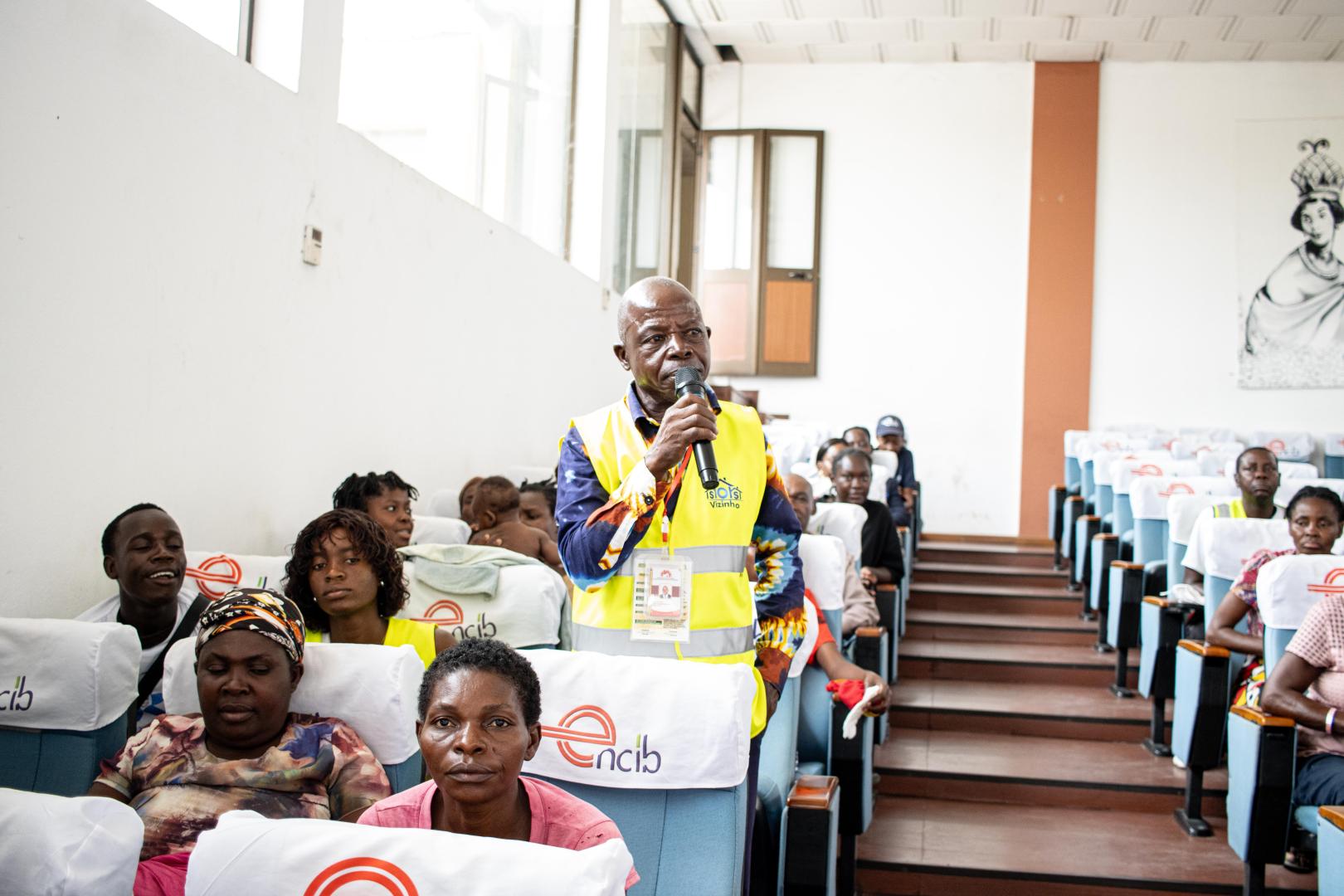
Democratic Republic of the Congo declares end of 16th Ebola outbreak

President Hichilema endorses Zambia’s Health Compact: A bold step toward Universal Health Coverage

Zambia has taken a historic step toward strengthening its health system with the endorsement of the National Health Compact by President Hakainde Hichilema. In August 2025, Zambia was selected by the World bank to be among the first countries to develop Health Compacts, strategic tools for mobilisingmobilizing resources to advance Universal Health Coverage.
Global One Health Day Celebration in Somali Region Ethiopia
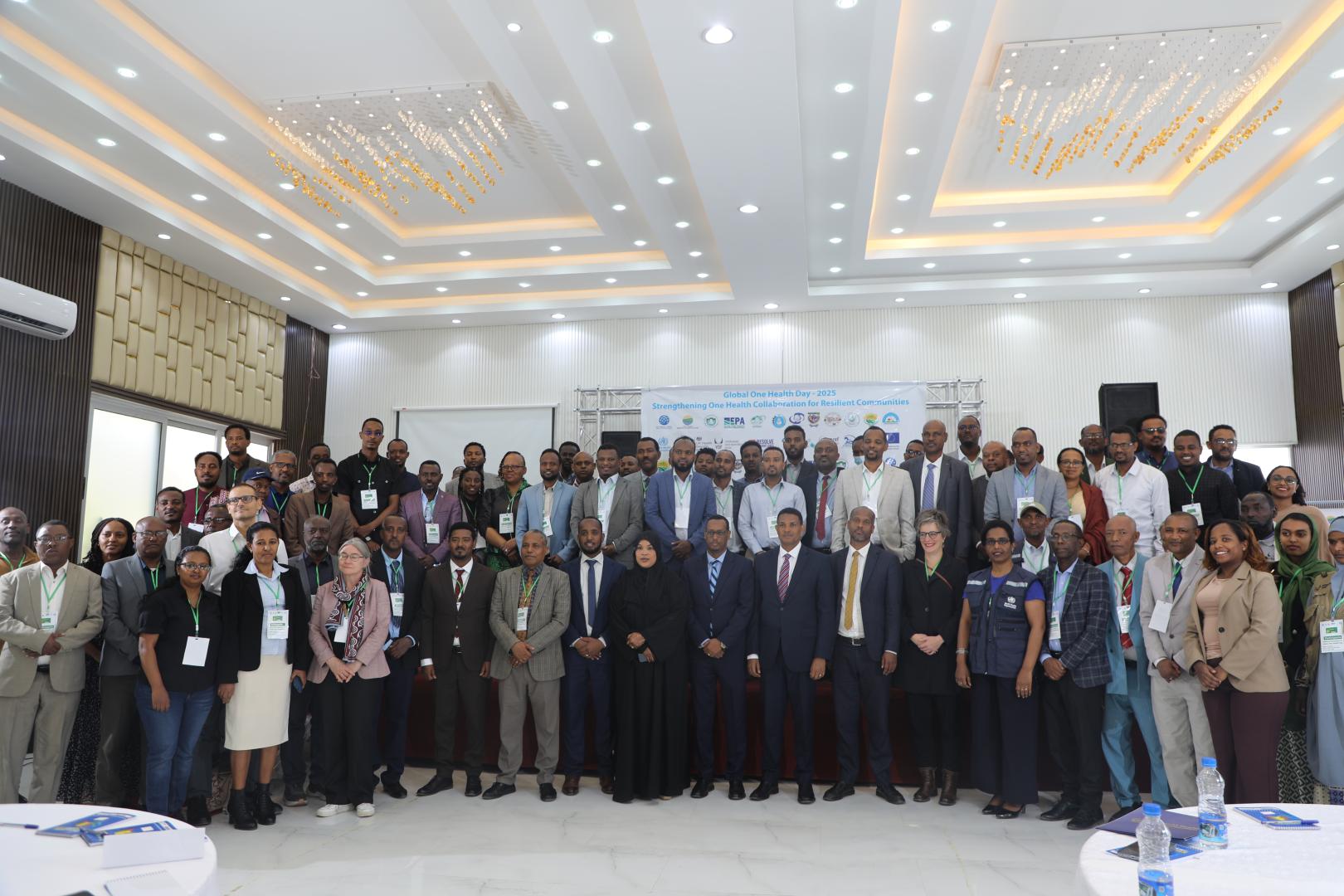
The 2025 Global One Health Day was celebrated in Jigjiga, Somali Region, Ethiopia under the theme “Strengthening One Health Collaboration for Resilient Communities.”
The event brought a wide range of partners into one forum, with over 100 participants, including high-level officials such as H.E. Mr. Ahmed Yasin Shek Ibrahim, delegate from the Somali Region President’s Office; H.E. Dr. Mesay Hailu, Director General of the Ethiopian Public Health Institute (EPHI); and Mr. Mohammed Ayanle Hassan, Deputy Head of the Somali Region Health Bureau.
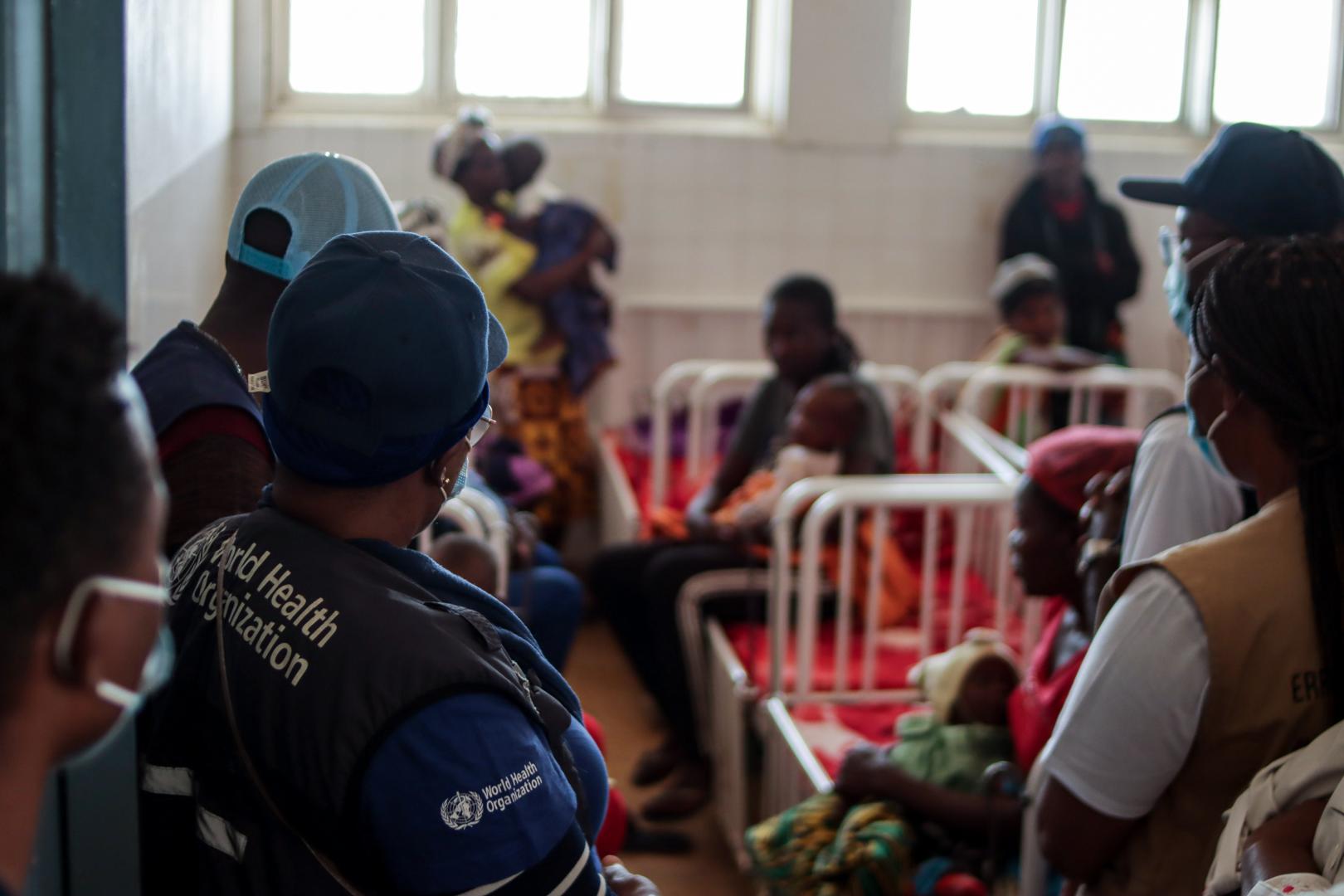
Enhancing Sierra Leone's public health and emergency preparedness and response
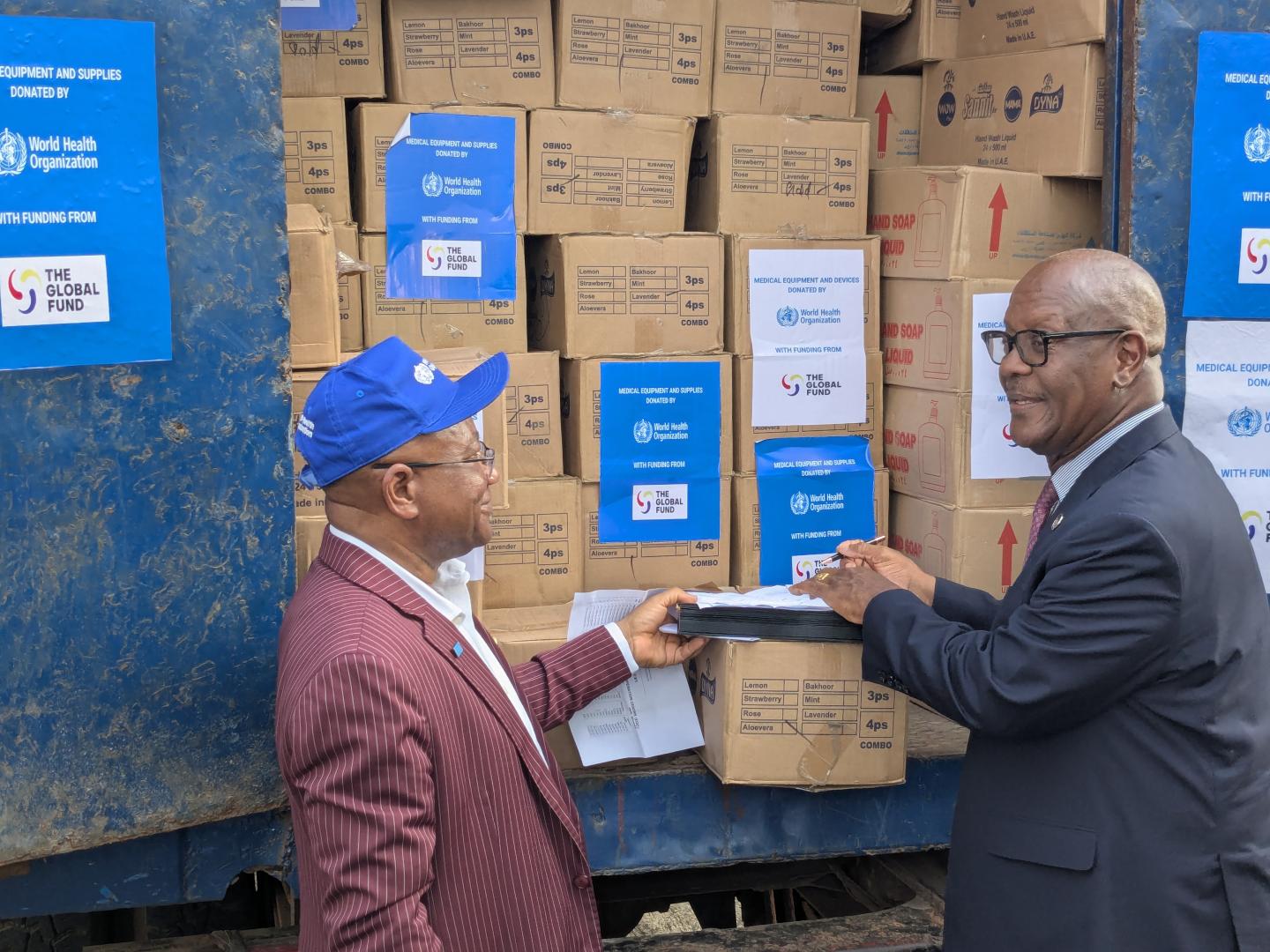
Freetown—The World Health Organization (WHO), with support from the Global Fund and Fleming Fund, has delivered medical supplies and infection prevention and control (IPC) materials worth more than USD $1 million to the Sierra Leone health authorities. The donation aims to enhance Sierra Leone's emergency response and public health capacities.
Angola has begun the process of preparing its National Health Accounts

Angola has begun the process of preparing its National Health Accounts (NHA) for the period 2020 to 2023, a strategic step towards strengthening efficiency and equity in health sector financing. The Ministry of Health (MINSA) leads this process, with technical support from the World Health Organization (WHO) and funding from the United Nations Development Program (UNDP) through the INTEGRA initiative.
Democratic Republic of the Congo launches drive to vaccinate 62 million children and adolescents against measles and rubella

Dr Aurélie Mambu: Strengthening the Fight Against AMR to Save Lives
Antimicrobial resistance (AMR) is one of the most pressing health challenges of our time. It threatens the effectiveness of treatments, increases healthcare costs, and endangers millions of lives.
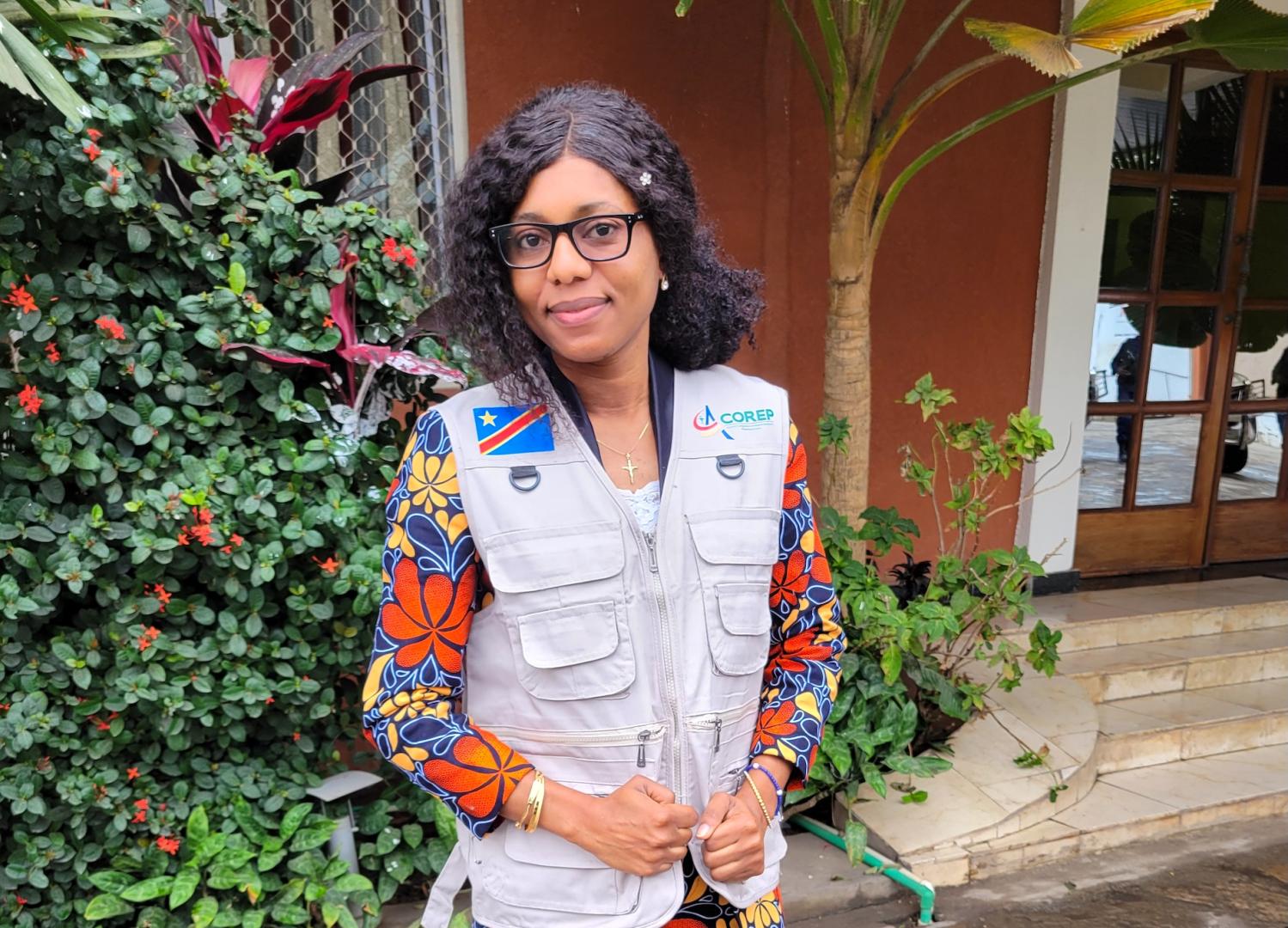
We spoke with Dr Aurélie Mambu Nsimba, pharmacist and Head of the Regulatory Quality Assurance Office at the Congolese Pharmaceutical Regulatory Authority, to understand the issues and solutions.