Zambia launches malaria vaccine to protect over half a million children

Lusaka – The Government of the Republic of Zambia, through the Ministry of Health, today officially launched the malaria vaccine (R21/Matrix-M) as part of its Expanded Programme on Immunization (EPI), marking a historic milestone in the country’s fight against malaria. Over 500 000 children aged 6‒8 months will be vaccinated in the months following the launch.
UN Reinforces Commitment to Preventing Sexual Exploitation and Abuse in Tanzania
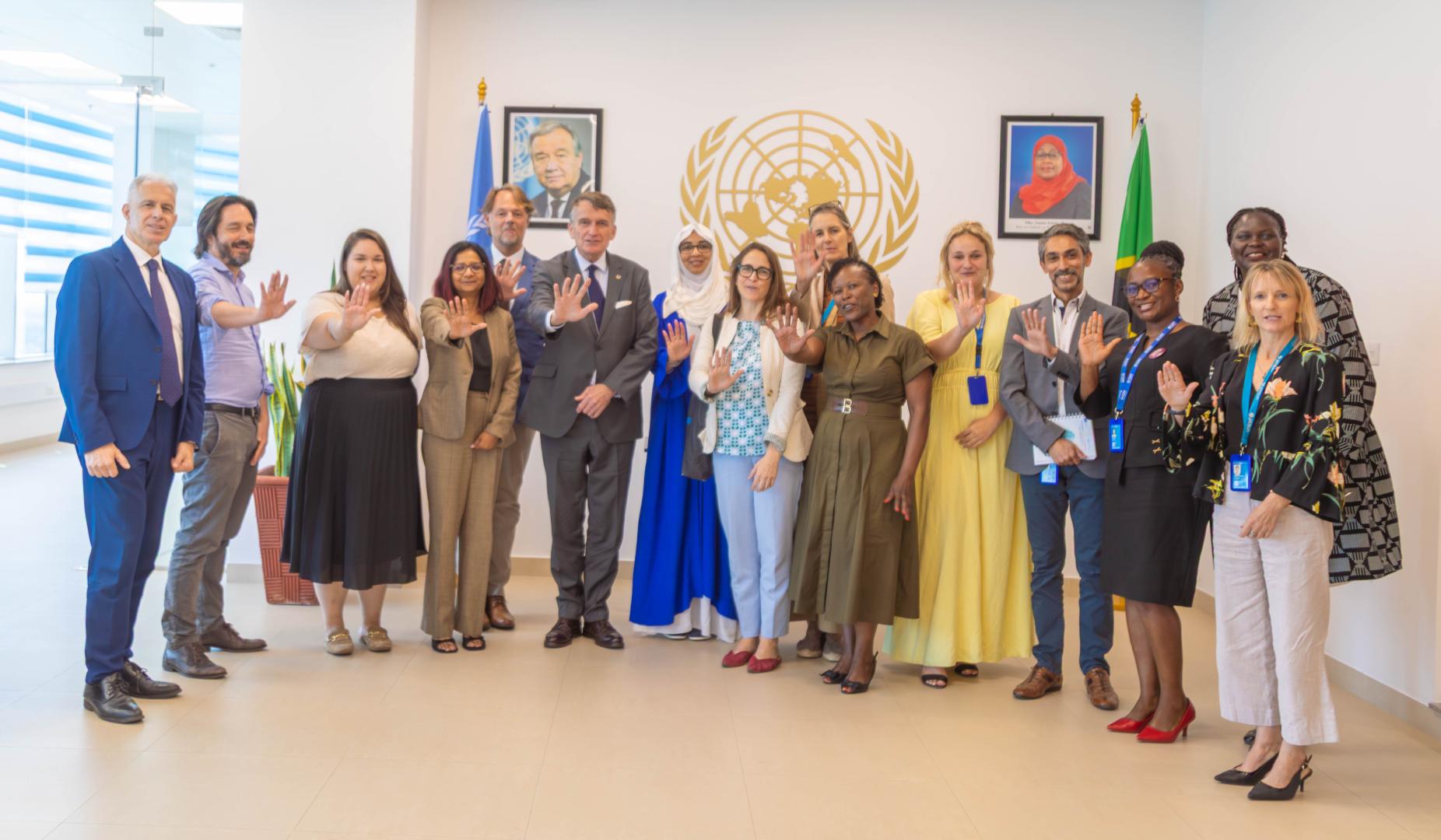
Dar Es Salaam: A UN Town Hall in Tanzania marked the conclusion of a three-day workshop on Protection from Sexual Exploitation and Abuse (PSEA), bringing together 21 UN PSEA Focal Points for capacity building and knowledge exchange.
Tanzania Steps Up Maritime Health Security: Building Capacity to Inspect and Certify Ships for Public Safety
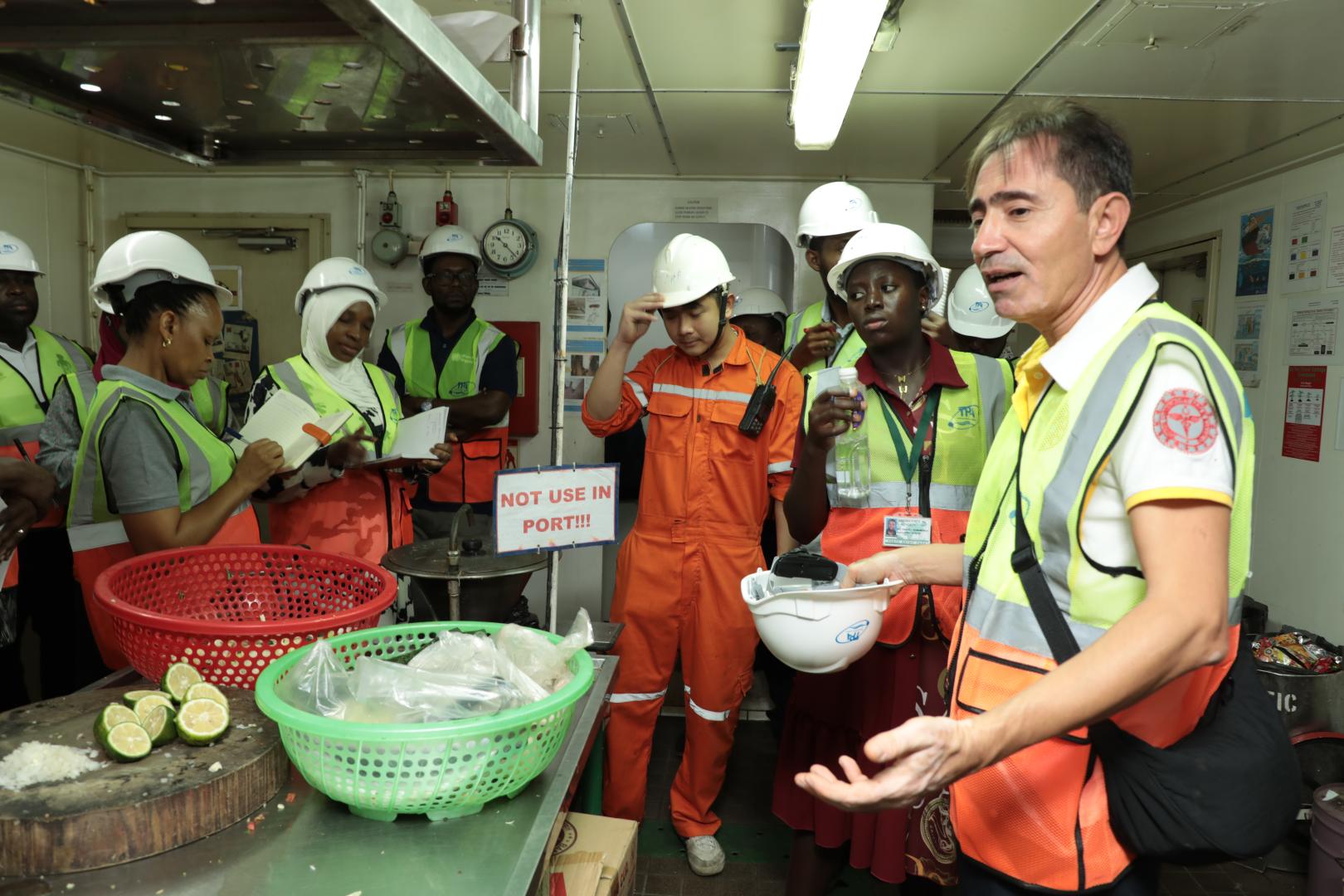
Dar es salaam: In a major step toward strengthening regional health security, Tanzania has officially gained the capacity to inspect ships and issue internationally recognized Ship Sanitation Certificates (SSCs) in accordance with the International Health Regulations (IHR 2005). This milestone enhances the country’s ability to prevent the cross-border spread of infectious diseases through maritime routes and positions Tanzania as a leader in port health preparedness.
Ending polio in Angola: every child, one vaccine, everywhere
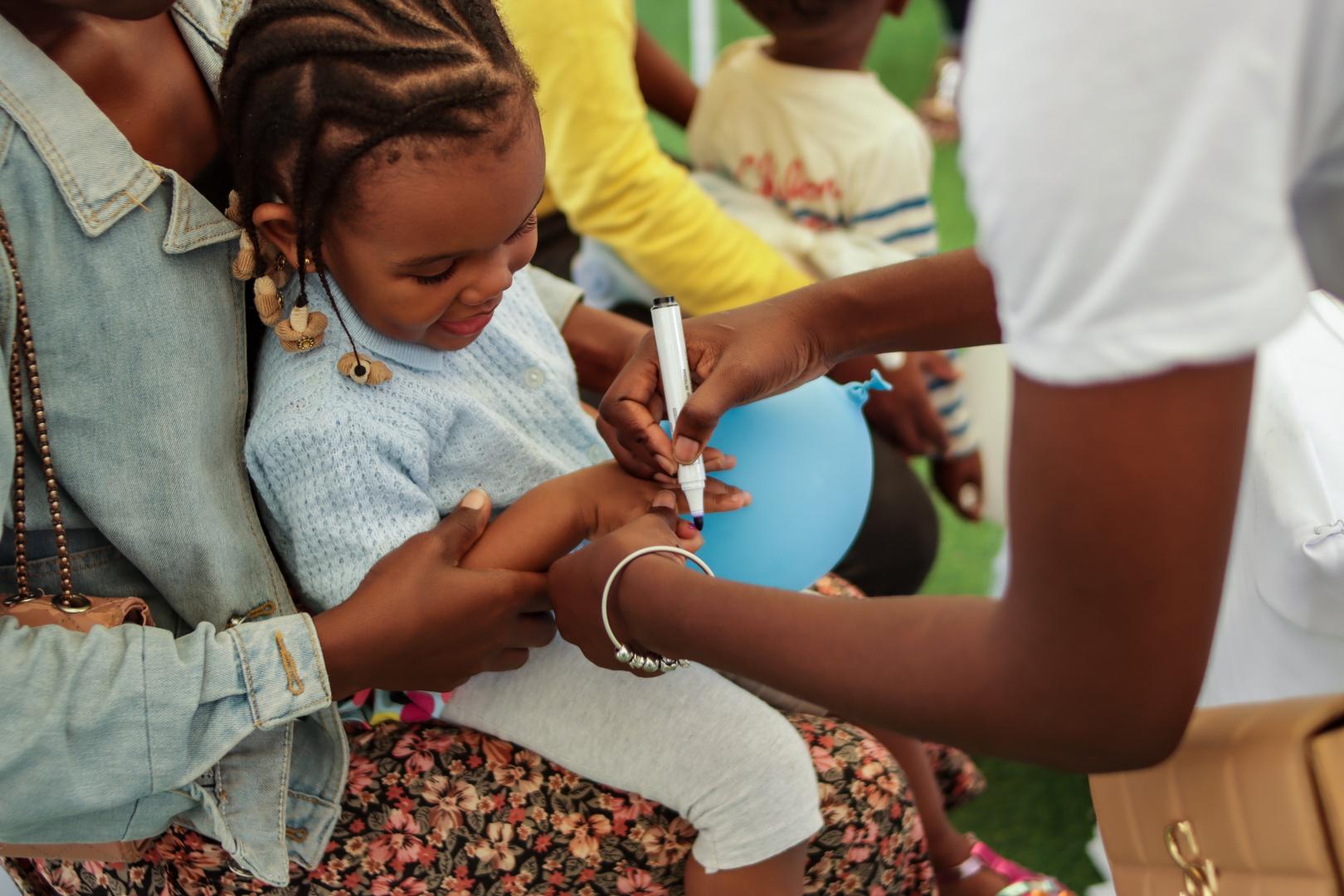
As part of World Polio Day, the World Health Organisation (WHO) in Angola, in partnership with the JUCARENTA Association, the municipal administration, and community leaders, organised a Community Health Circle in São Pedro da Barra, in the municipality of Hoje-Ya-Henda, Luanda. The event brought together health experts, local authorities, and citizens to emphasize the importance of polio vaccination and reaffirm their commitment to eradicating the disease in Angola.
Transforming Data into Action: Tanzania Launches New Health Portal

Dar Es Salaam: Tanzania’s Ministry of Health, with support from the World Health Organization (WHO) and partners, has launched a new and improved National Health Portal — a transformative step toward enhancing access to quality health data and promoting evidence-based decision-making across the country.
Breaking the Silence: WHO Uganda’s “Men Talk” series spark honest conversations on men’s mental health
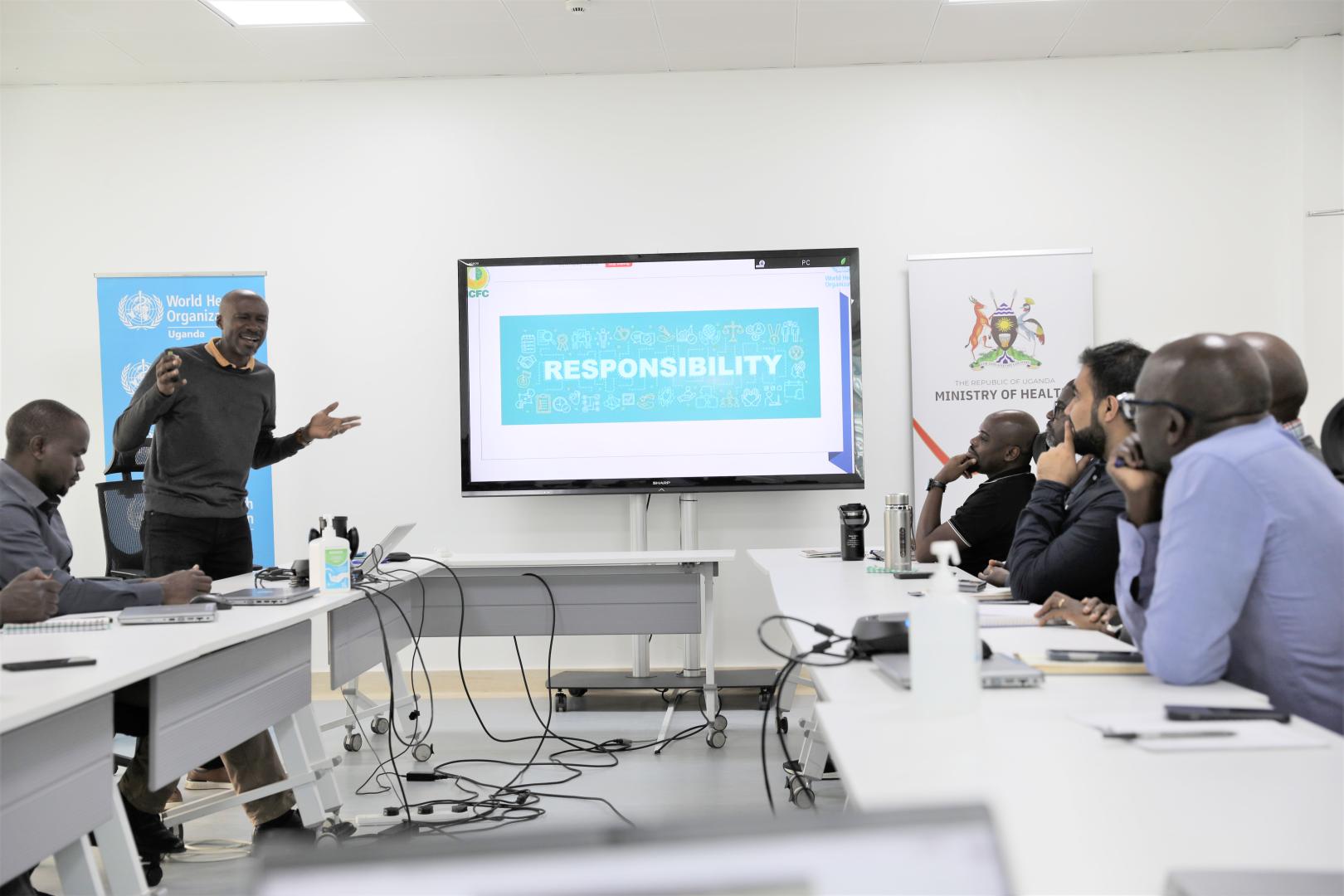
In a society where emotional vulnerability among men is often masked by silence or coded expressions—and where resilience is expected above all—WHO Uganda is shifting the narrative, one conversation at a time.
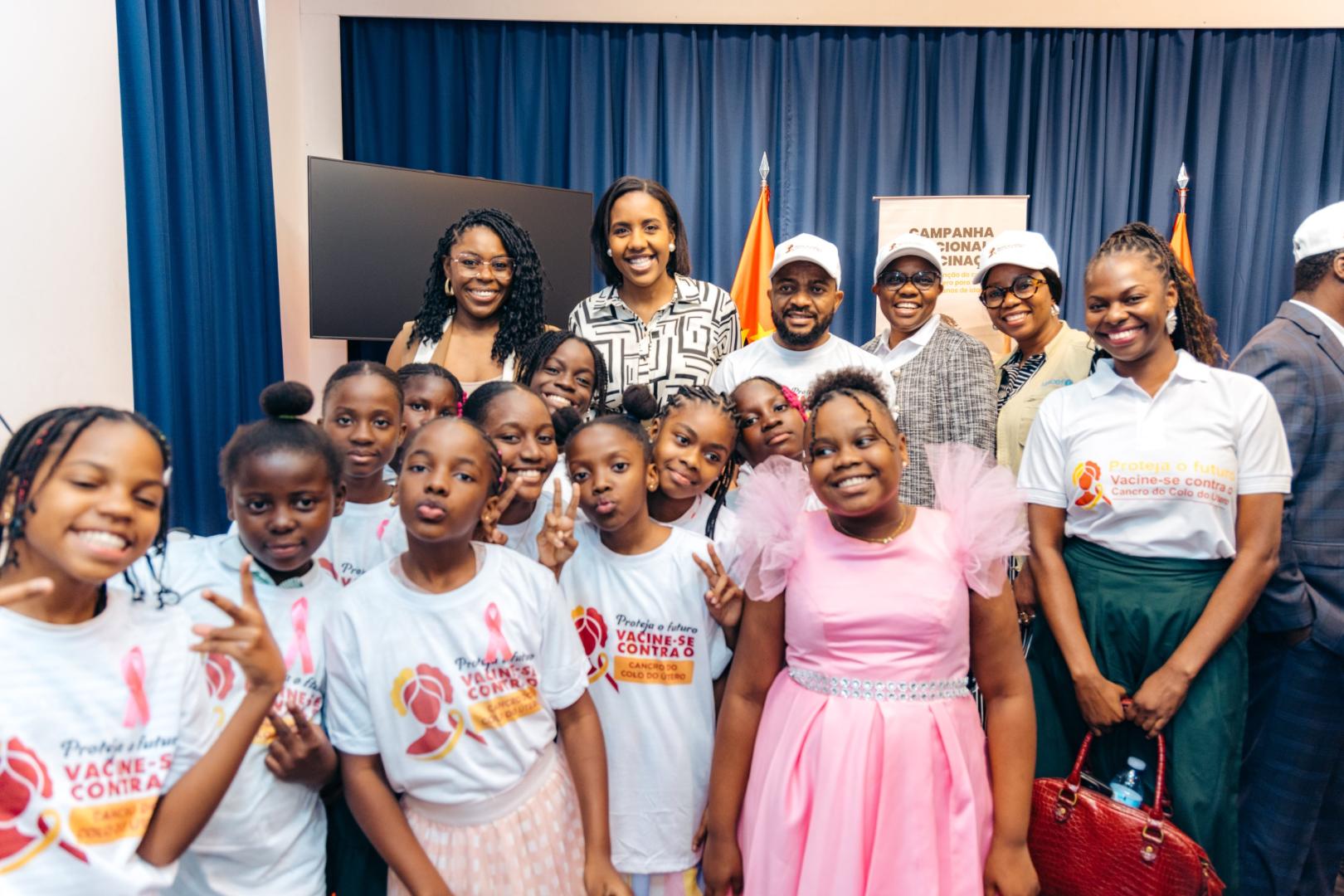
Joint Statement by WHO, UNICEF, and Rotary
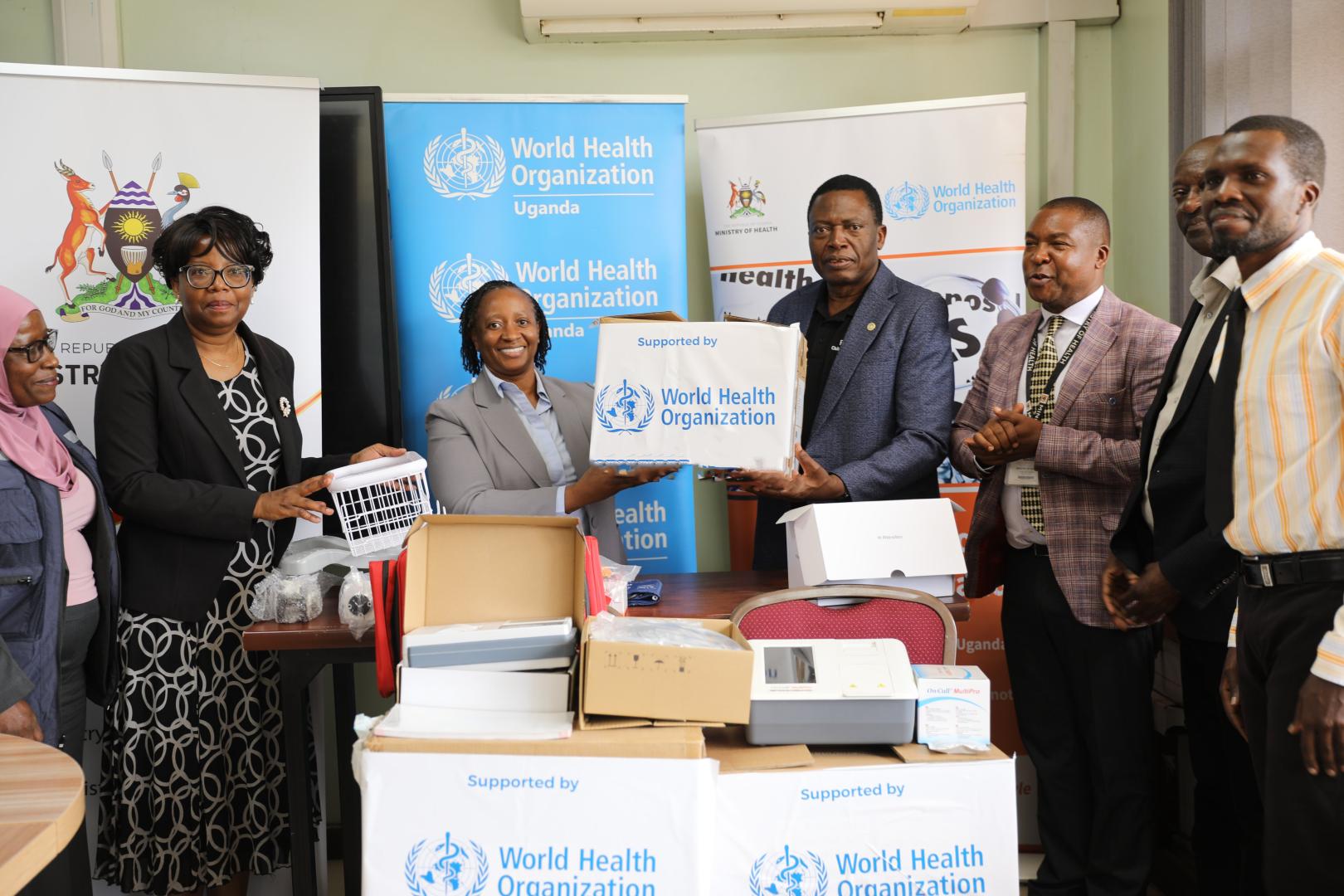
WHO hands over life-saving equipment to Uganda’s Ministry of Health under D-CARD Africa project
At a small health center in rural Sembabule, a nurse recalls the heartbreak of turning away patients due to lack of basic diagnostic tools. “We could suspect hypertension or diabetes, but without the right equipment, we couldn’t confirm or act early,” she said. That reality is now changing.
Today, the World Health Organization (WHO) handed over life-saving medical equipment to Uganda’s Ministry of Health under the Diabetes and Cardiovascular (D-CARD) Africa Project—marking a major step forward in the country’s fight against noncommunicable diseases (NCDs).
Namibia Launches MoHSS Strategic Plan and Universal Health Coverage Policy
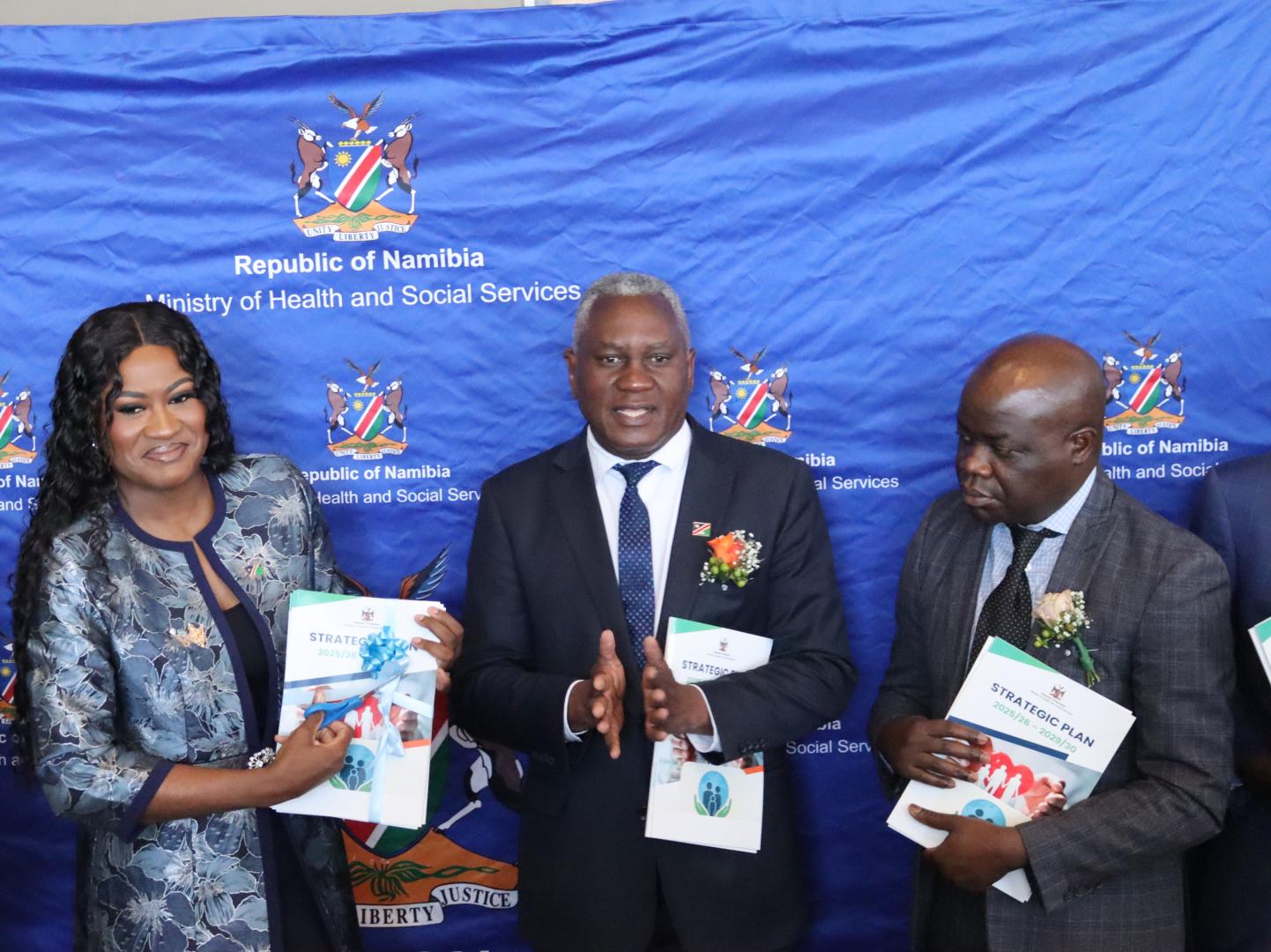
On 13 October 2025, the Ministry of Health and Social Services (MoHSS) officially launched its Strategic Plan for 2025/26–2029/30 together with Namibia’s Universal Health Coverage (UHC) Policy in Windhoek. The launch marked a significant milestone in the country’s health reform agenda, underscoring a renewed commitment to transparency, inclusivity, and partnership. It also advanced the national vision of “World Class Health for All,” anchored in the fundamental right of every Namibian to access quality health services without financial hardship.