Stepping Up Response to Curb Infectious Diseases in Nigeria
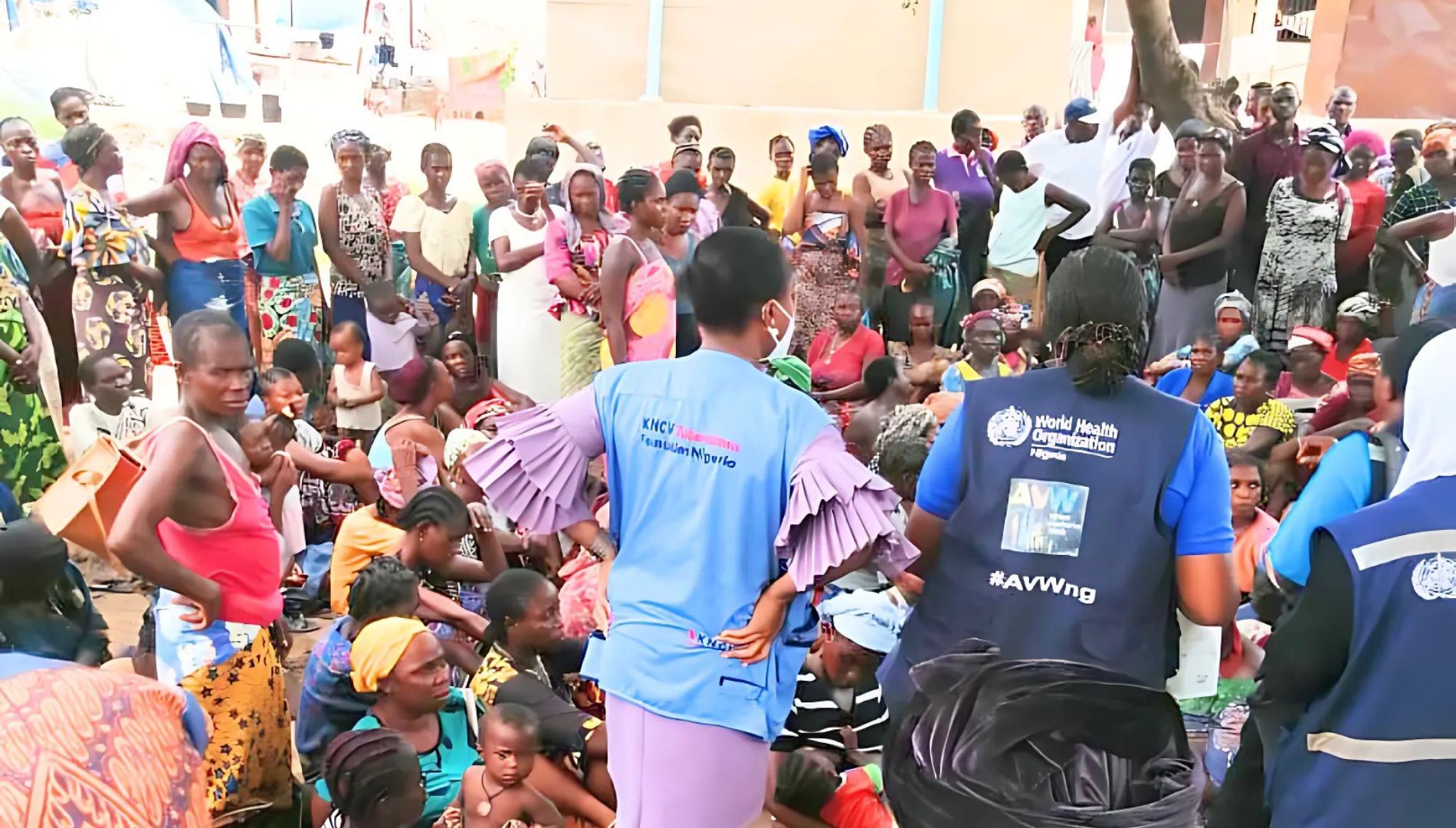
Abuja - In Nigeria, vulnerable populations, especially those in underserved communities, remain at high risk of infectious diseases, including Lassa fever—an acute viral hemorrhagic illness caused by the Lassa virus.
WHO trains mpox most at risk population health service providers
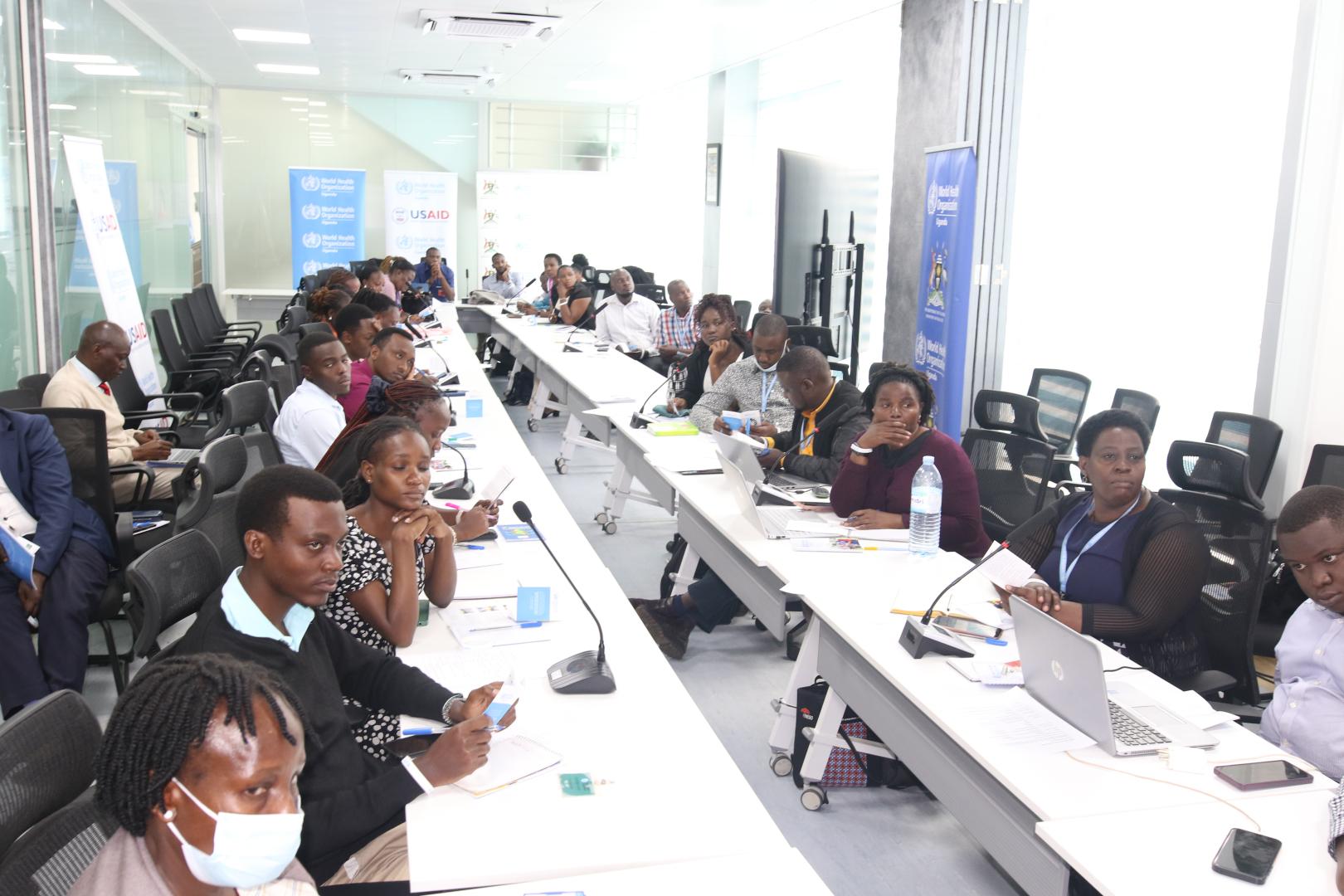
Kampala. The World Health Organization (WHO) with support from the United States Agency for International Development (USAID) has trained 43 Most At Risk Populations Initiative (MARPI) health service providers to support surveillance activities and risk communication and reporting of mpox among key populations in Kampala and other districts of their reach.
Honoring Victims of Traffic Crashes: Africa Road Safety Day and World Day of Remembrance for Road Traffic Victims
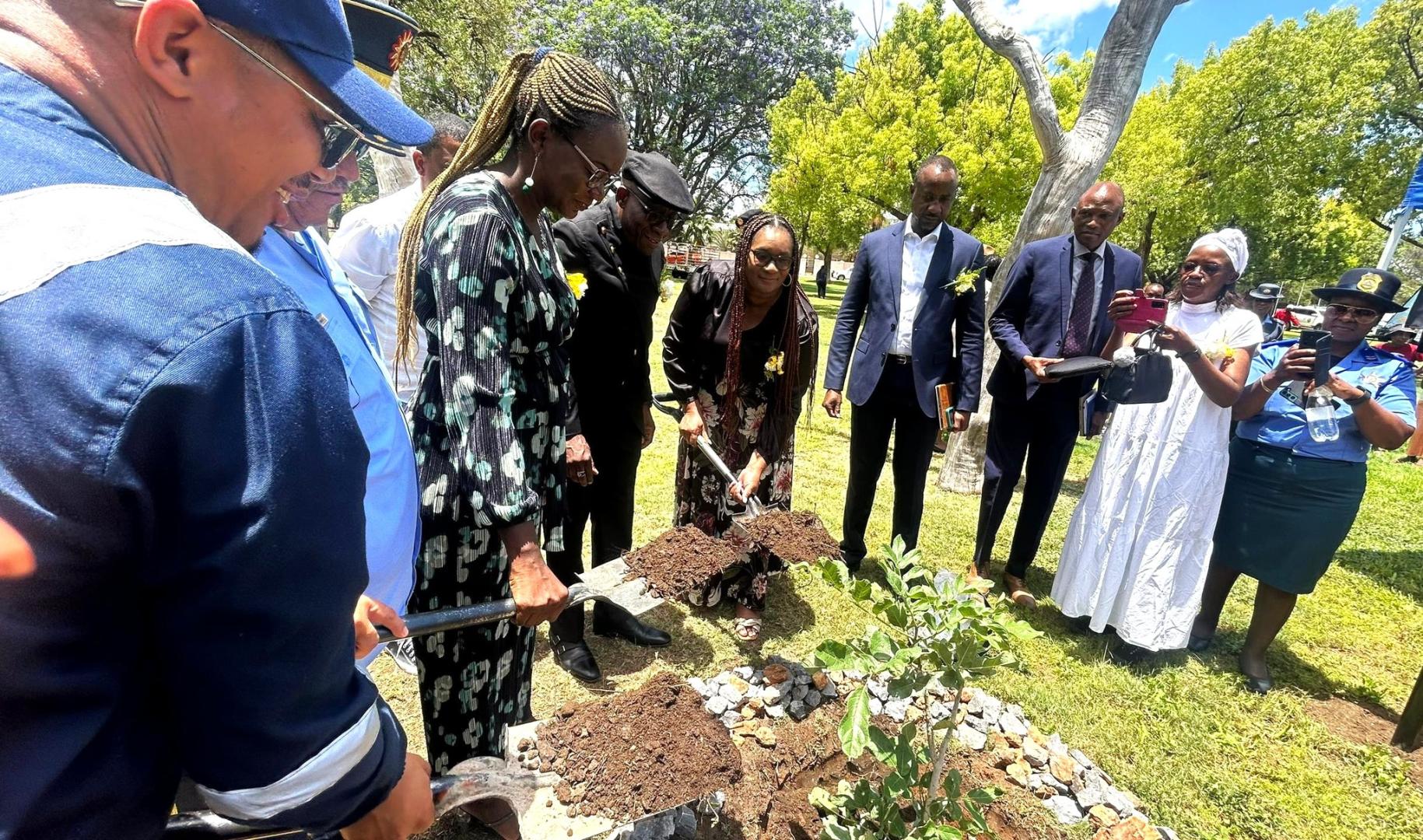
On 17 November 2024, Namibia joined the rest of Africa in commemorating Africa Road Safety Day and the World Day of Remembrance for Road Traffic Victims in Tsumeb, Oshikoto Region. This significant event, observed on the third Sunday of November every year, highlights the urgent need for better road safety measures, the preservation of human life and support for those affected by road traffic crashes. It is a time to remember victims, advocate for improved post-crash responses, and take action to save lives across the continent.
WHO, partners tip over 200 Journalists in Uganda on Mpox and Marburg
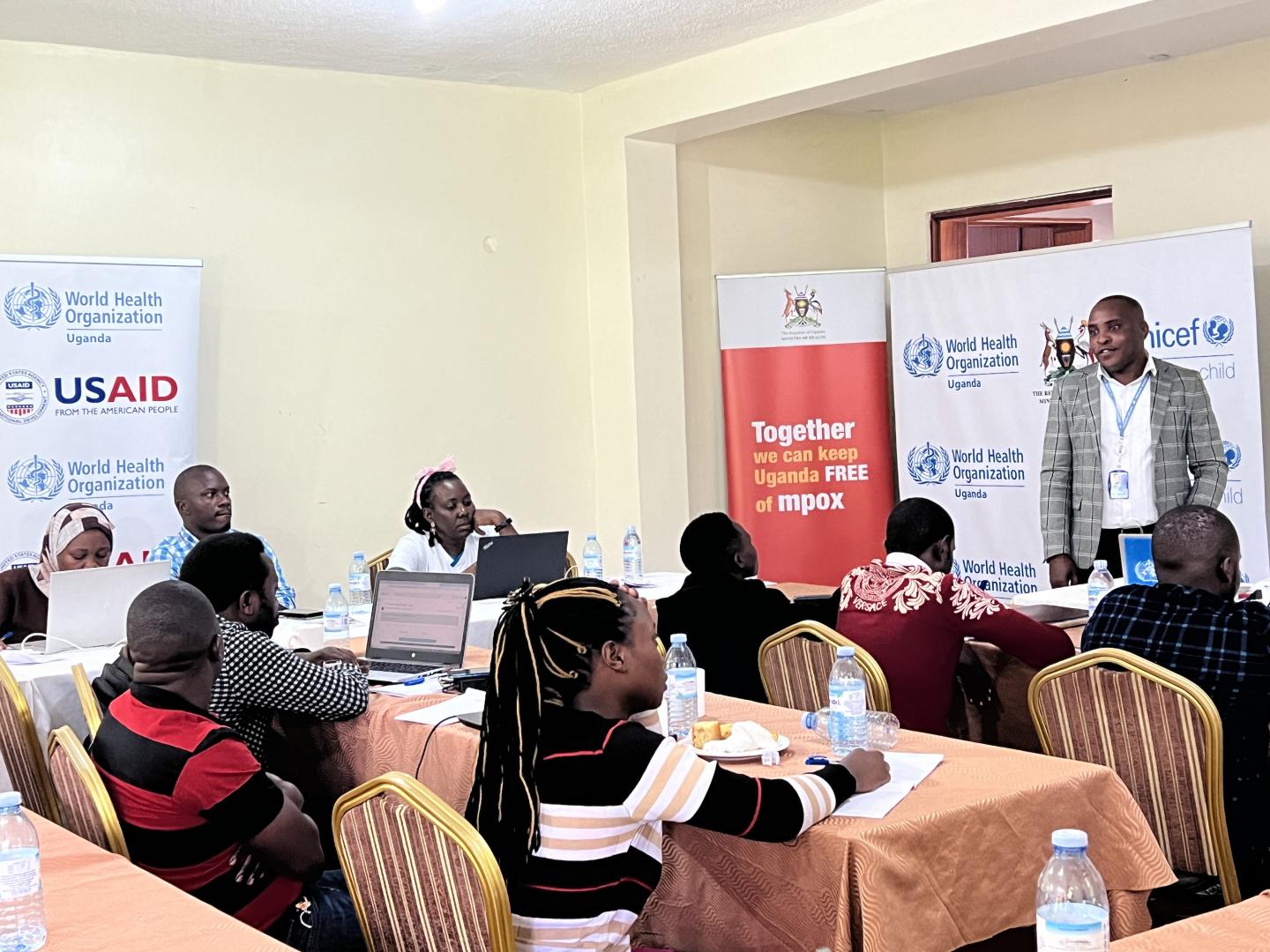
Uganda’s Ministry of Health (MOH), World Health Organization (WHO), United Nations Children’s Fund (UNICEF) in collaboration with the African Centre for Media Excellence (ACME) oriented over 200 journalists countrywide on the mpox outbreak and preparedness for a possible Marburg outbreak. The orientation was conducted in different batches over a three-week period targeting reporters and editors at national and regional levels.
WHO Supports Ghana in Developing Landmark 2023 STEPS Report to Address Non-Communicable Disease Risk Factors
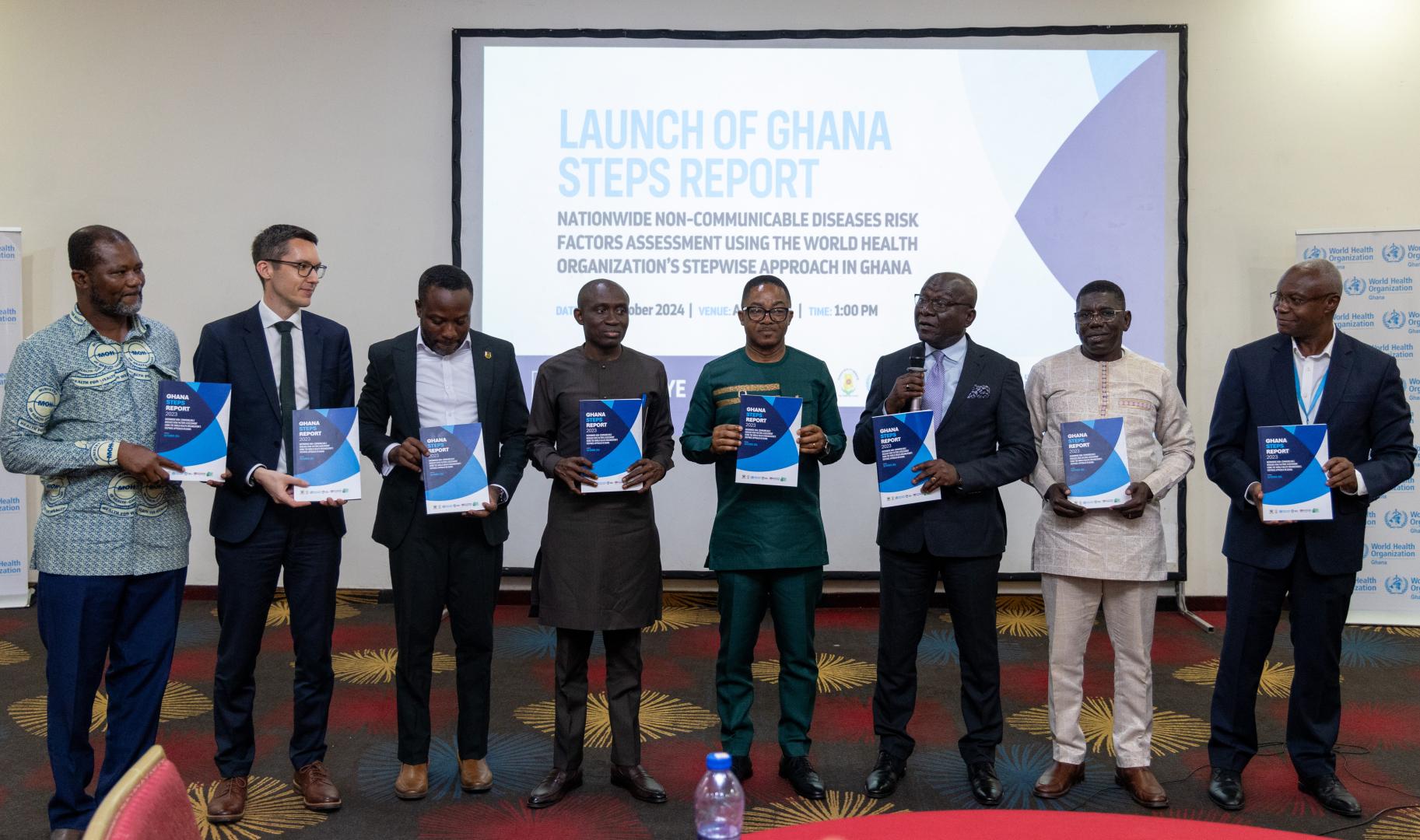
Non-communicable diseases (NCDs) have emerged as one of the most significant health and development challenges of the 21st century. These diseases, which include cardiovascular diseases, cancers, chronic respiratory diseases, and diabetes, are responsible for 41 million deaths each year, with 85% of premature deaths occurring in low- and middle-income countries.
Reaching the underserved with vaccines is a right for all
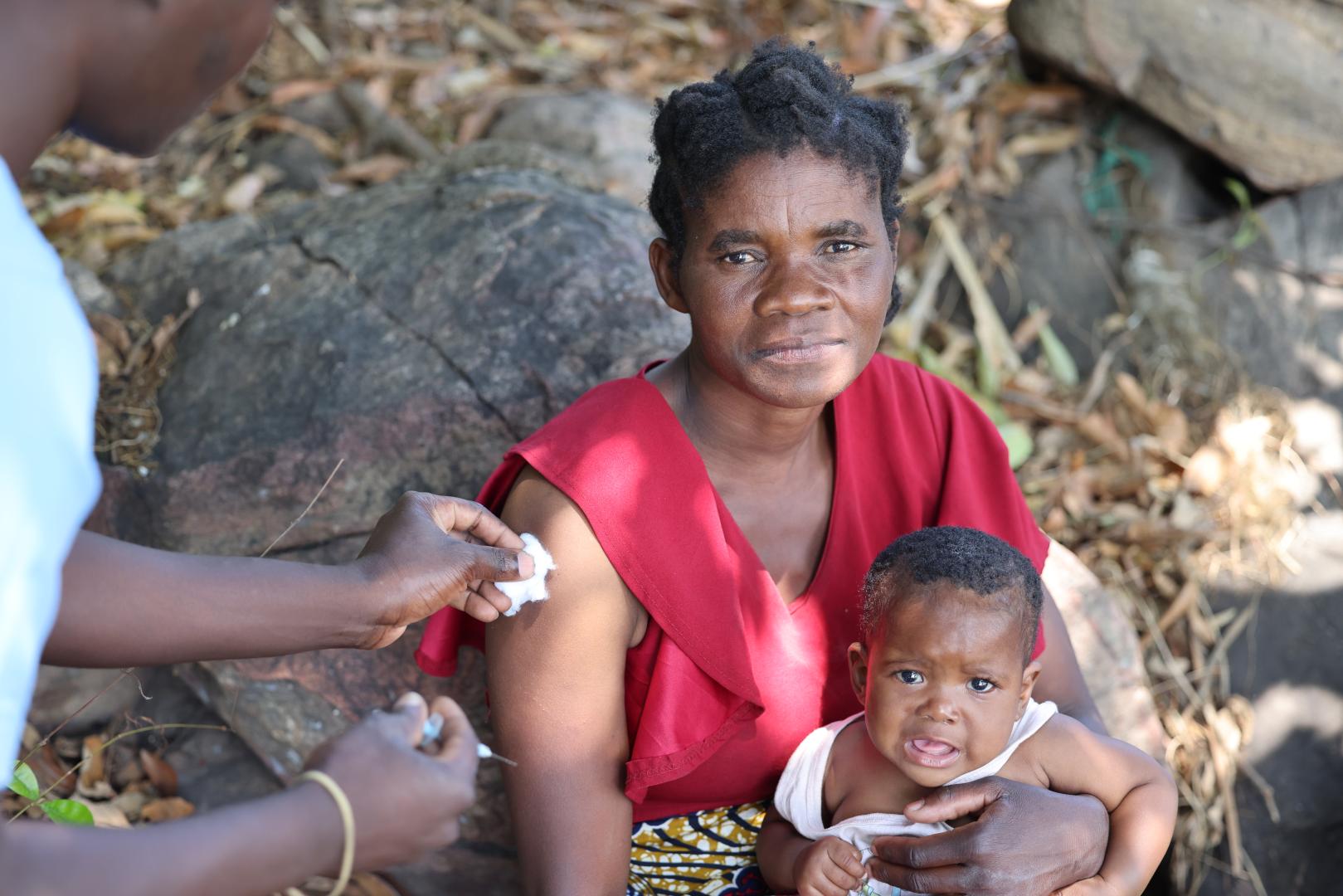
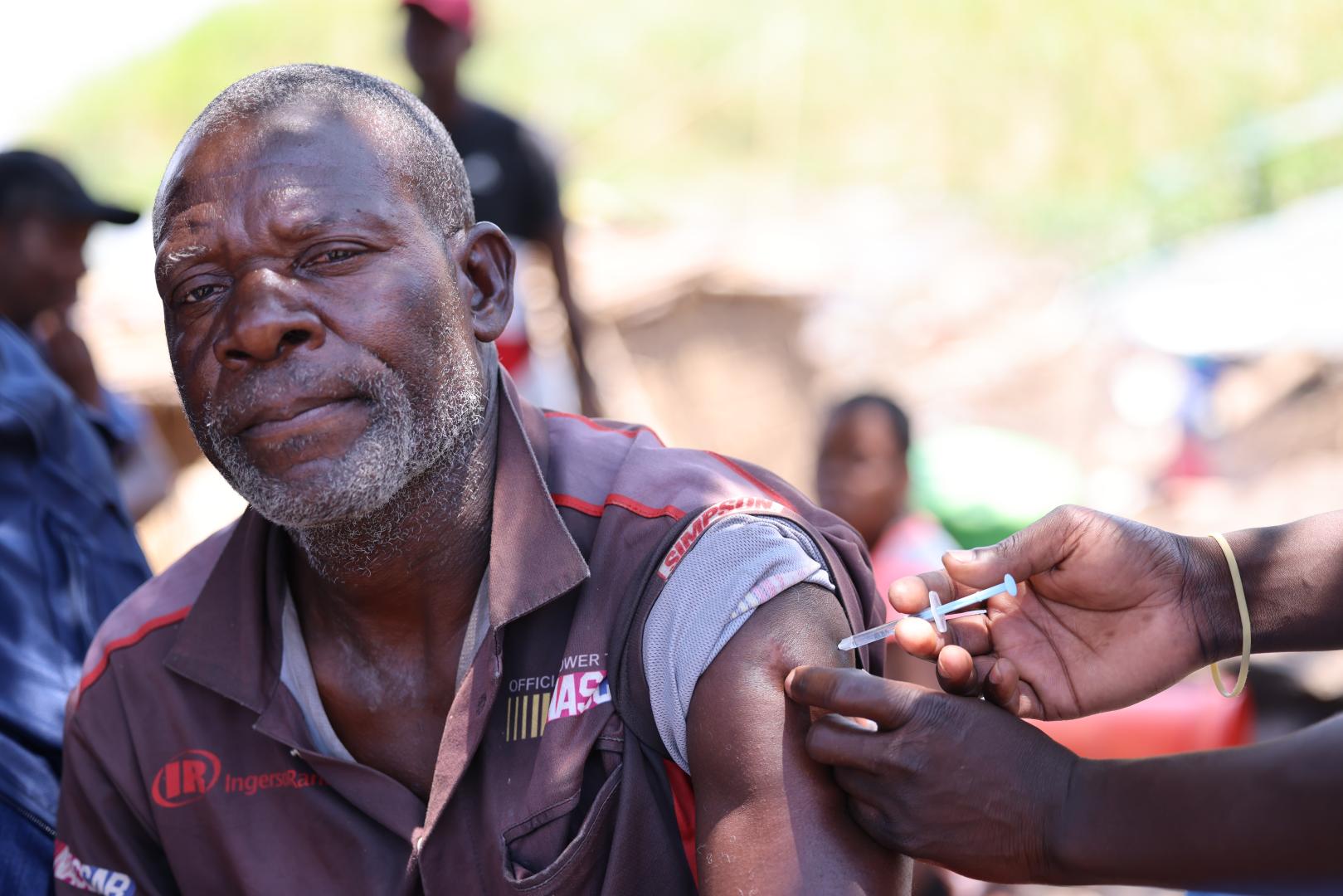
Zomba - In the remote community of Tongwe, an island on Lake Chirwa in Zomba district, Malawi, a small crowd gathers under the shade of an old mango tree as health workers prepare for the day’s vaccination drive. Among them is Mercy Simate, 34, a mother of six.
She sits quietly, holding her four-month-old daughter, Victoria, on her lap. Today is a special day for Mercy and her youngest child. Victoria is about to receive her first doses of the Diphtheria, Tetanus, and Pertussis (DPT), Pneumococcal Conjugate, and Rotavirus vaccine.
Advancing Diabetes Care in Ghana: WHO’s Collaborative Efforts on the Path to Better Health
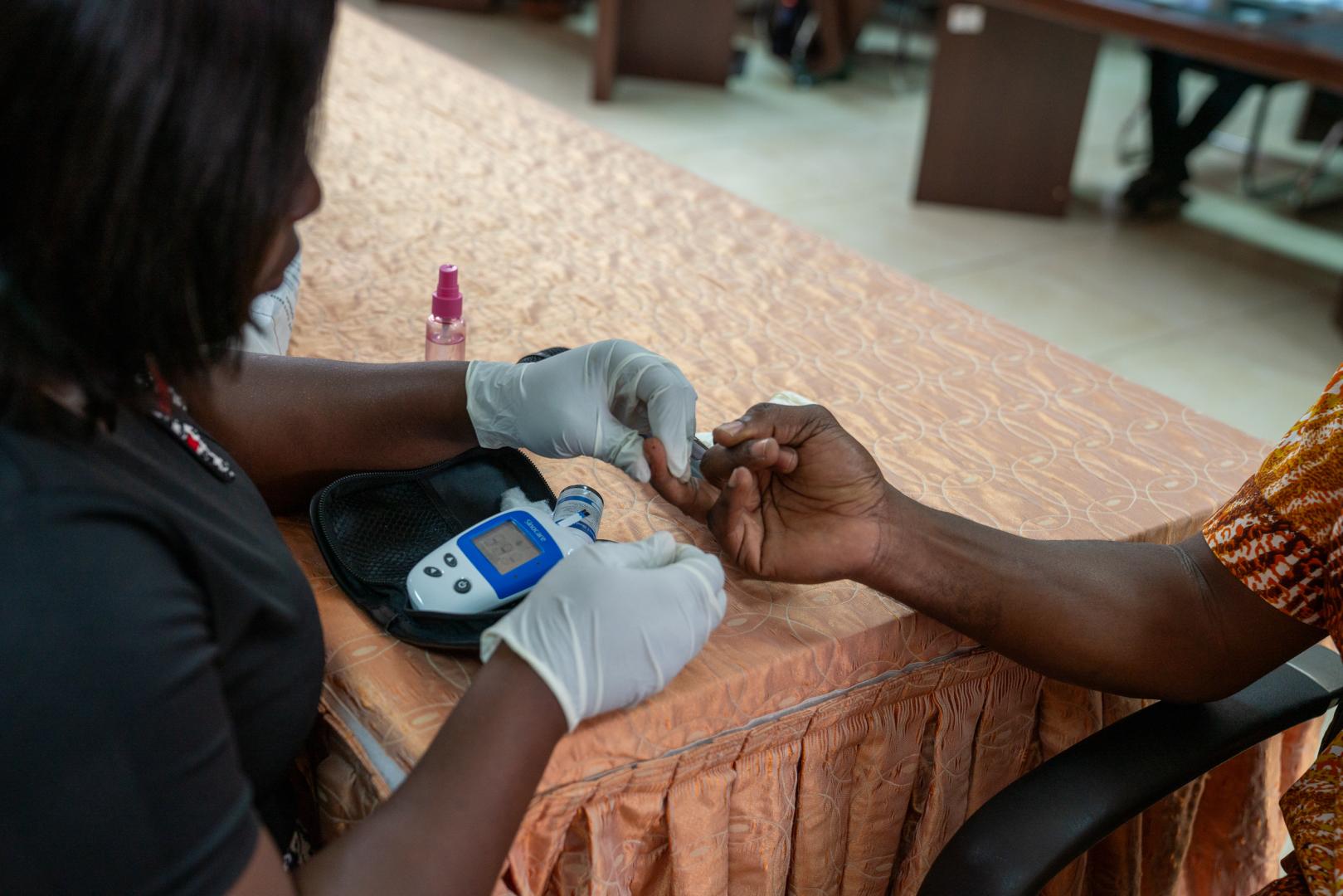
By Dr Joana Ansong, Team Lead for the Universal Health Coverage, Communicable and Noncommunicable
Prioritise your health by knowing your blood sugar status and living a healthy lifestyle
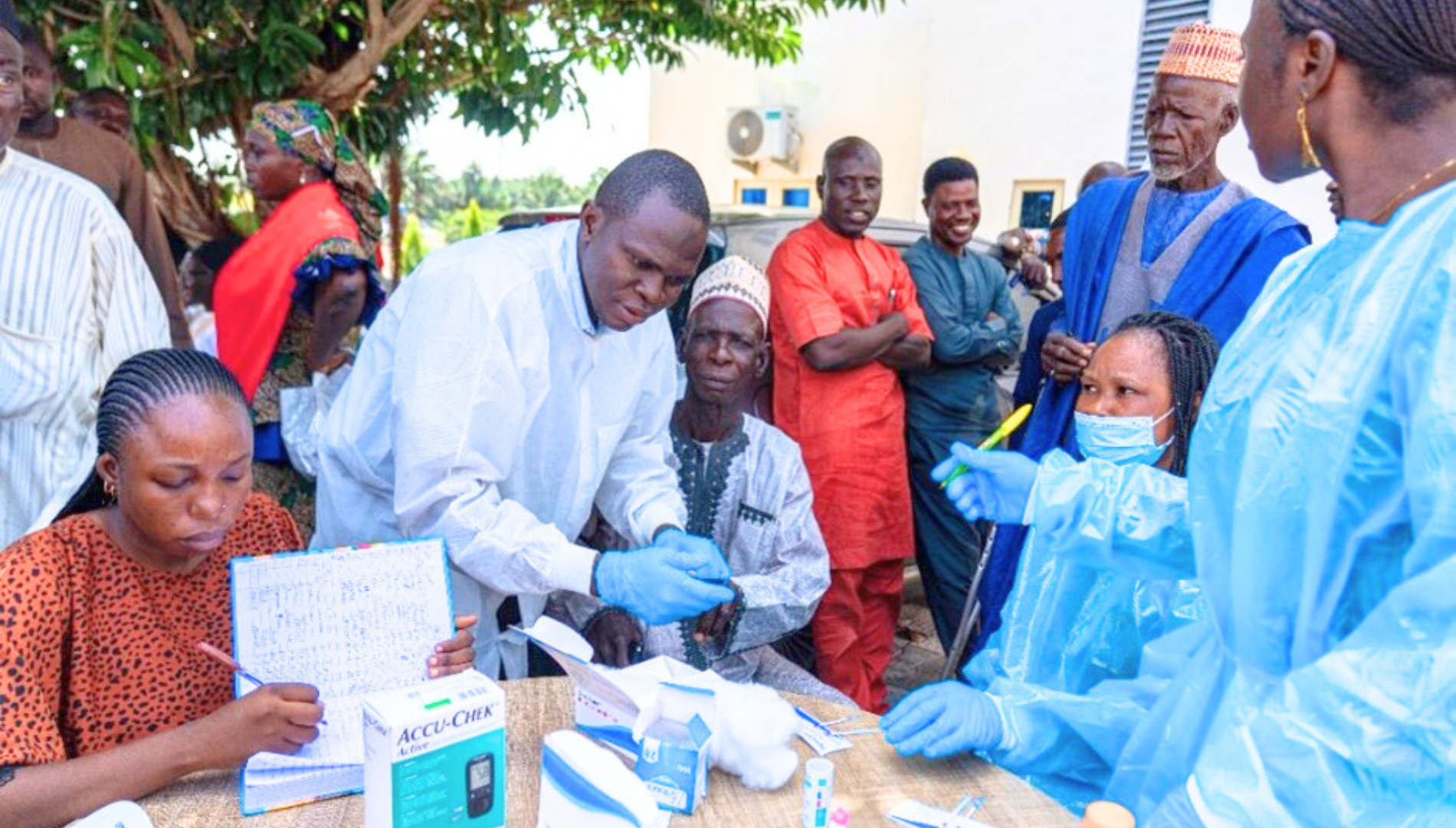
Lagos,18 November, 2024 - When 52-year-old Adeola Akinyemi, a trader residing in Lagos, received her Type 2 diabetes diagnosis ten years ago, her world shifted. The news came as a shock, yet it set her on a journey that would change her dietary and sedentary lifestyle.
“I remember feeling constantly tired, always thirsty, and frequent the toilet at night”, says Adeola. “I was losing weight rapidly despite eating well. It wasn’t until I went for a routine check-up that I discovered my blood sugar levels were dangerously high.”
WHO Uganda Recognized for Excellence at the 2024 Heroes in Health Awards
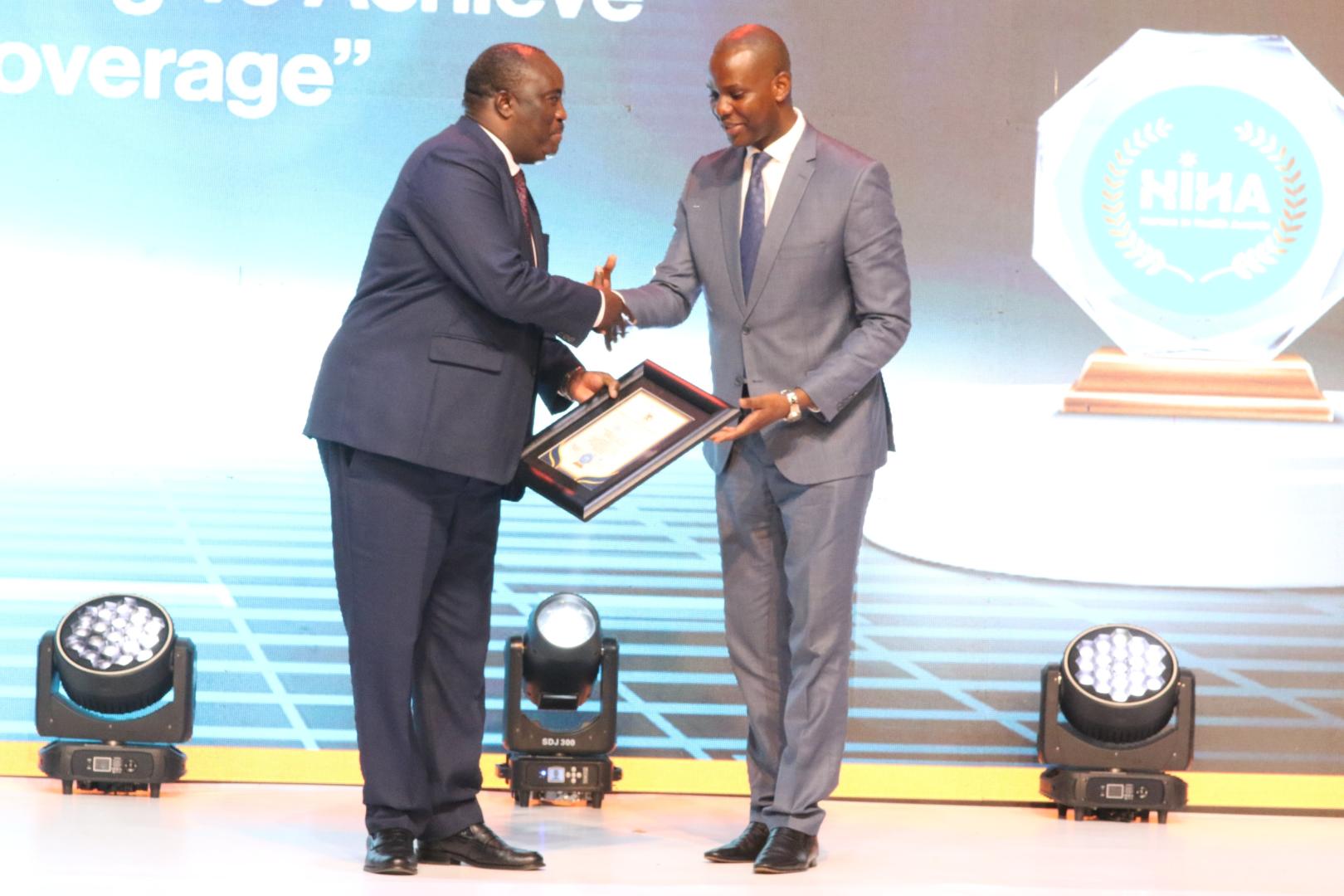
Kampala, Uganda– The fifth edition of the Heroes in Health Awards (HIHA) recognized and celebrated individuals and institutions making exceptional contributions to Uganda’s health sector.