Vaccinate to protect everyone!
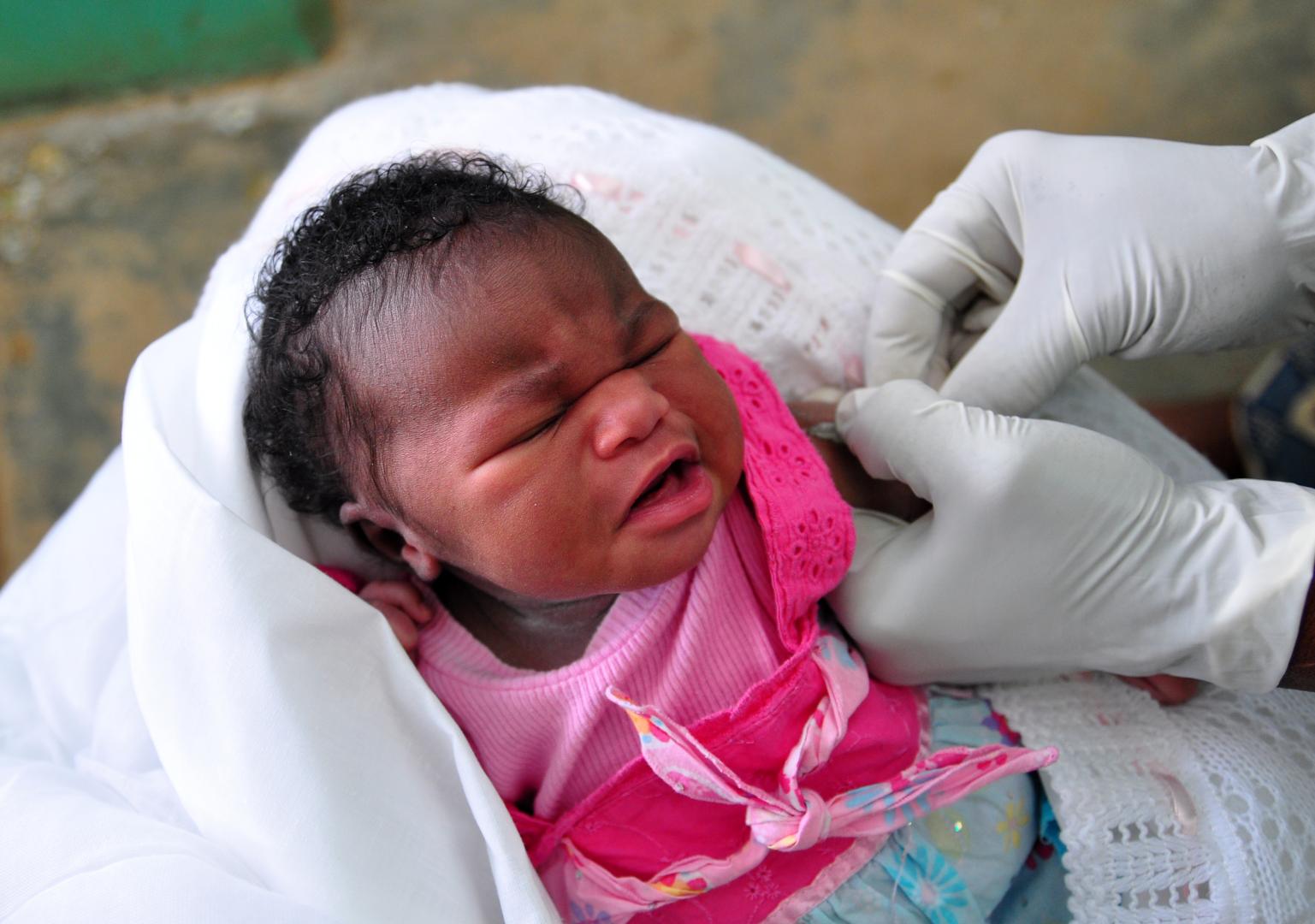
In our constant quest to promote a healthy lifestyle, we still face the challenge of protecting ourselves against pathogens that challenge our immune system. In this context, vaccines emerge as a powerful ally, strengthening our natural defence and reducing disease risk. Exploring the essential role of vaccines in maintaining an entire and healthy life is crucial to understanding how to guarantee energy and vitality in the face of everyday challenges.
WHO Equatorial Guinea hosts staff retreat to strengthen teamwork and drive progress
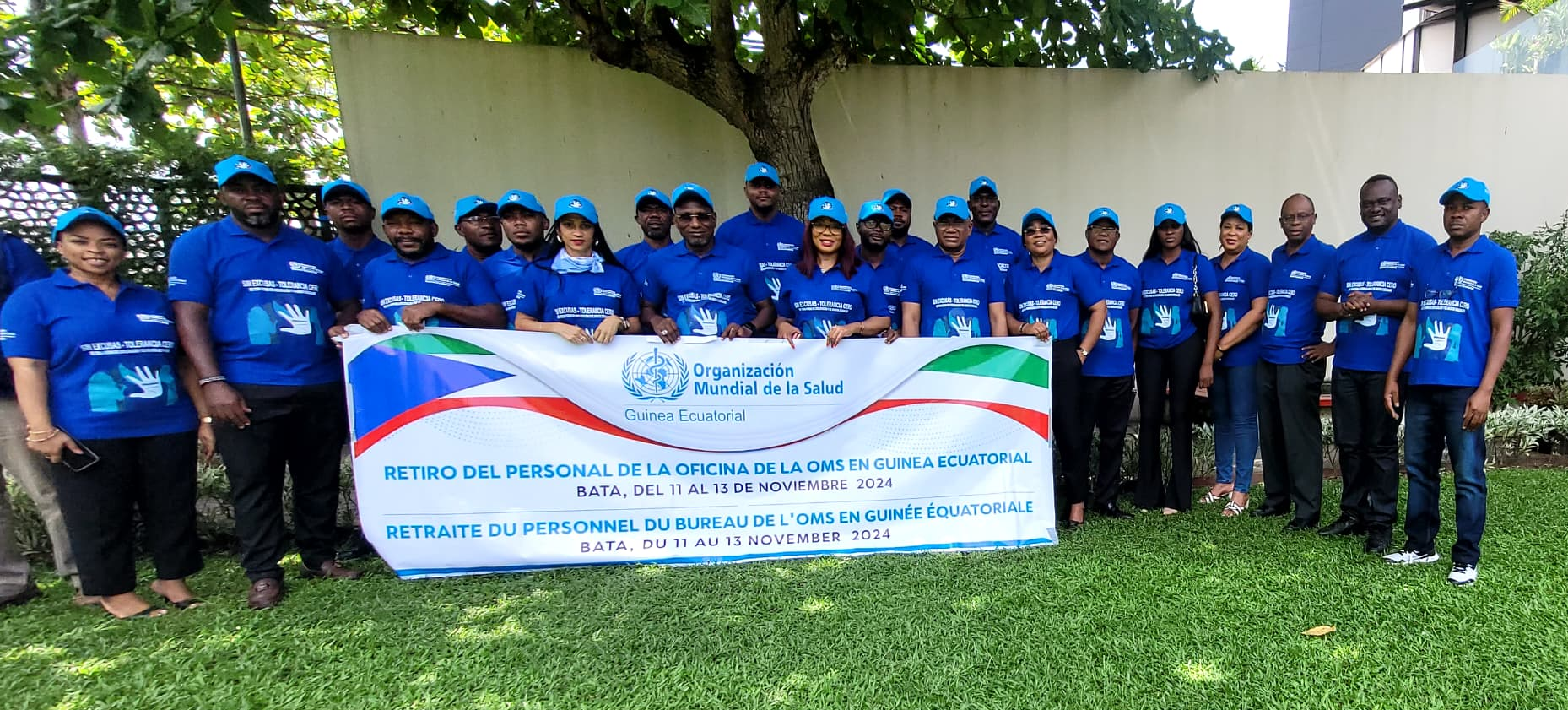
Malabo – WHO Country Office in Equatorial Guinea organized a staff retreat between the 11 – 13 November 2024, in Bata city of the Continental Region to strengthen teamwork and drive progress. The retreat provided staff members an opportunity to discuss progress, address challenges in their work, strengthen partnerships, and explore strategies for career growth and fulfillment.
WHO delivers essential medical supplies to combat substance abuse in Liberia
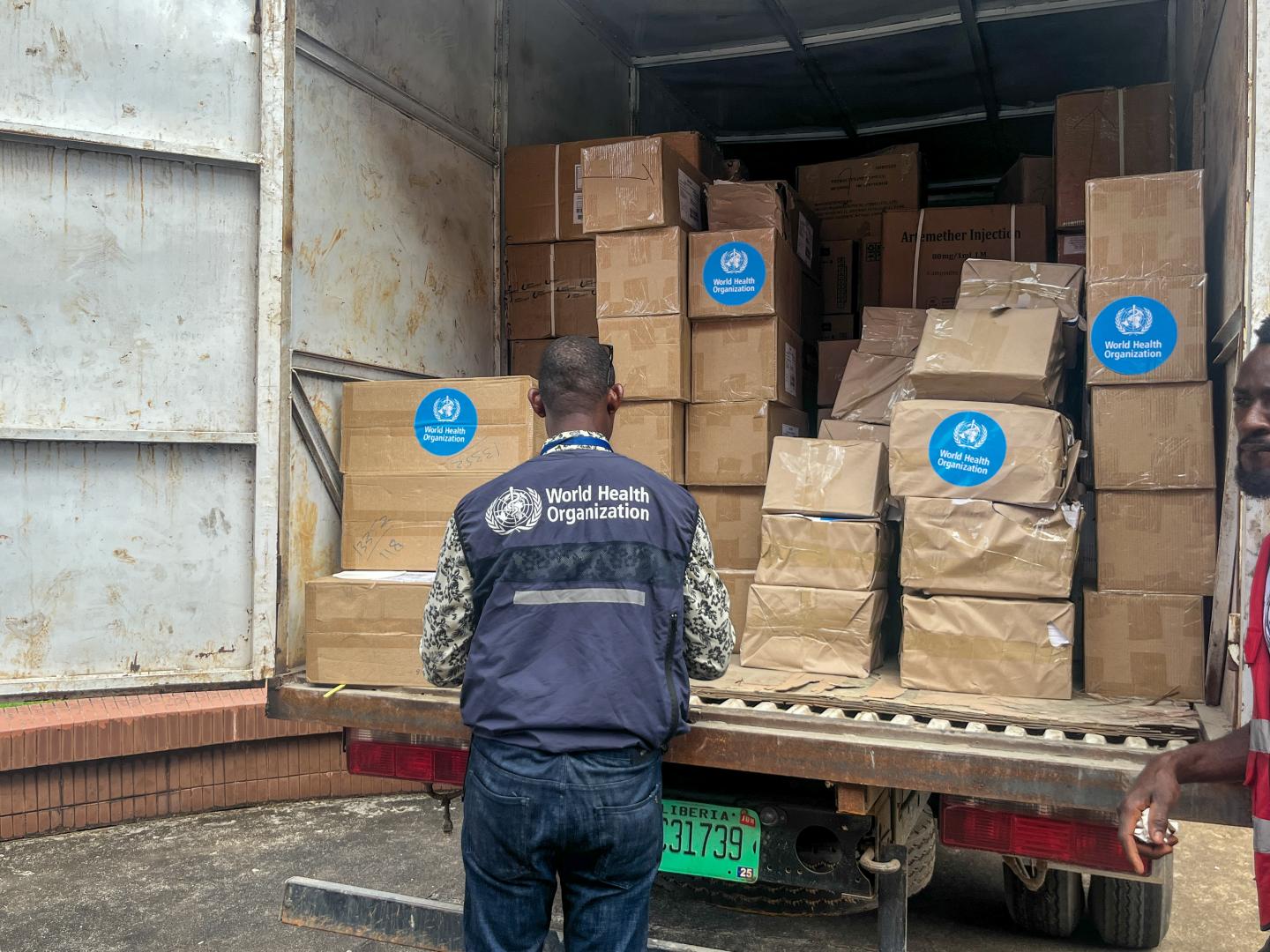
The World Health Organization (WHO) has taken a significant step towards addressing the growing issue of substance abuse in Liberia by donating essential medical supplies to the Ministry of Health (MOH). This timely intervention, supported by the United Nations Peacebuilding Fund, will empower healthcare providers to effectively treat and rehabilitate at-risk youth suffering from substance-use disorders (SUDs).
WHO and UPRA Strengthen Collaboration to Advance Public Health in Angola
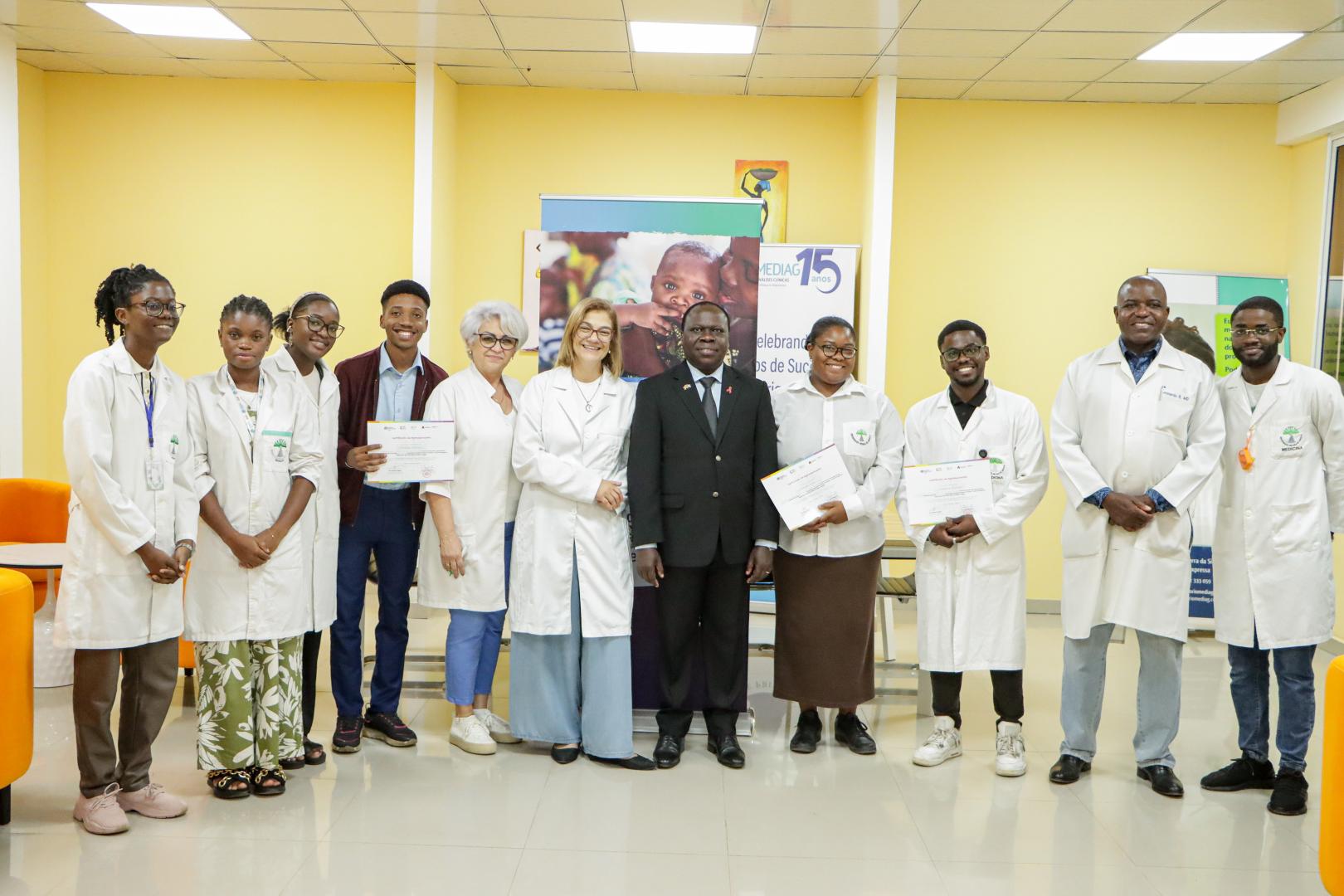
14 November 2024 – The World Health Organization (WHO) interim Representative in Angola, Dr. Zabulon Yoti, paid an official visit to the Universidade Privada de Angola (UPRA) and was received by Rector Dr. Silvana Rocha da Silveira. The visit provided an opportunity for WHO to gain a deeper understanding of the university’s contributions to community and public health, as well as its extracurricular health initiatives. Dr. Yoti also toured the site of UPRA including its upcoming teaching hospital.
Uganda Renews Commitment to Diabetes Control on World Diabetes Day
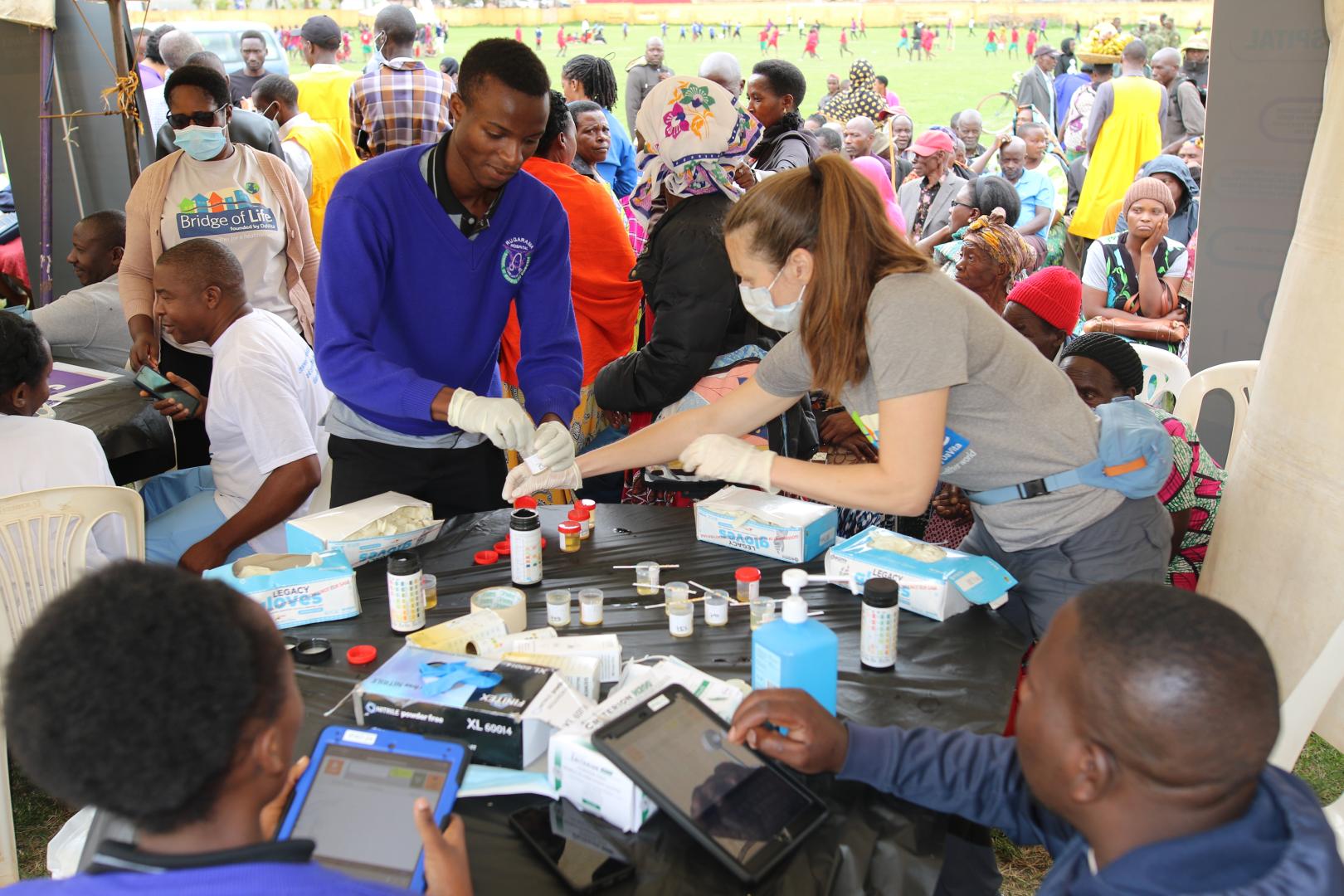
Kabale, Uganda– The World Health Organization (WHO) joined the Government of Uganda and partners to commemorate the 2024 World Diabetes Day in Kabale District under the theme, "Diabetes and Well-being" and the national slogan, "Empowering Individuals, Families, and Communities for Better Diabetes Management". The event underscored the urgent need for collaborative action across sectors to address the growing diabetes burden in Uganda.
Transforming Health Professions Education in Africa for a competent Health Workforce to Accelerate Universal Health Coverage in Africa: WHO Regional Dialogue in Lusaka
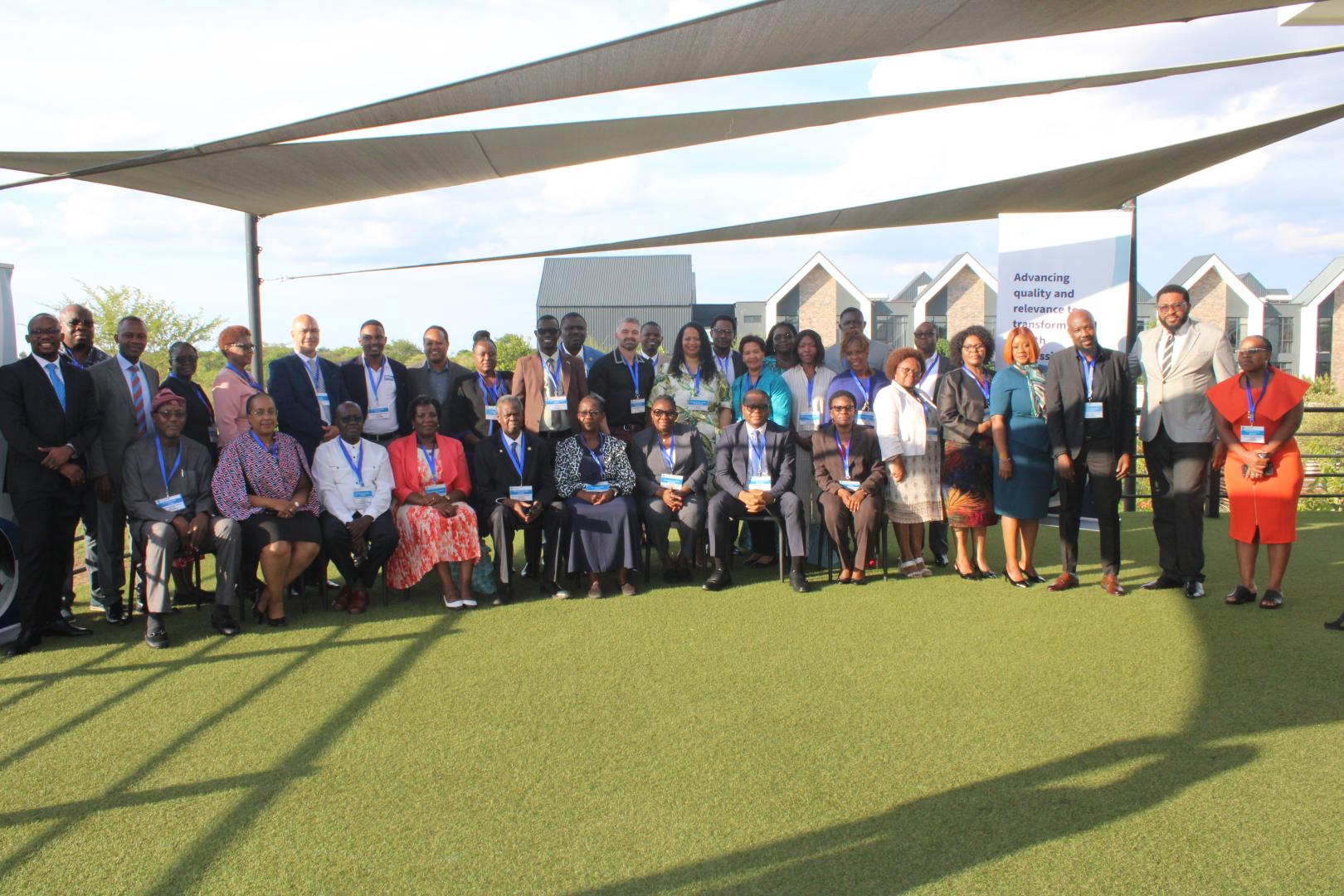
Lusaka, Zambia – The World Health Organization (WHO) Regional Office for Africa is convening a landmark Expert Dialogue on Competency-Based Health Professions Education from 12–14 November 2024 in Lusaka, Zambia. This dialogue aims to address critical gaps in the training and education of Africa's health workforce, with the goal of transforming health professions education leading to improved service delivery, accelerating progress toward Universal Health Coverage (UHC), and ultimately reducing the region’s preventable deaths.
WHO collaborates with Botswana to enhance HIV Drug Resistance Monitoring and Laboratory capacity
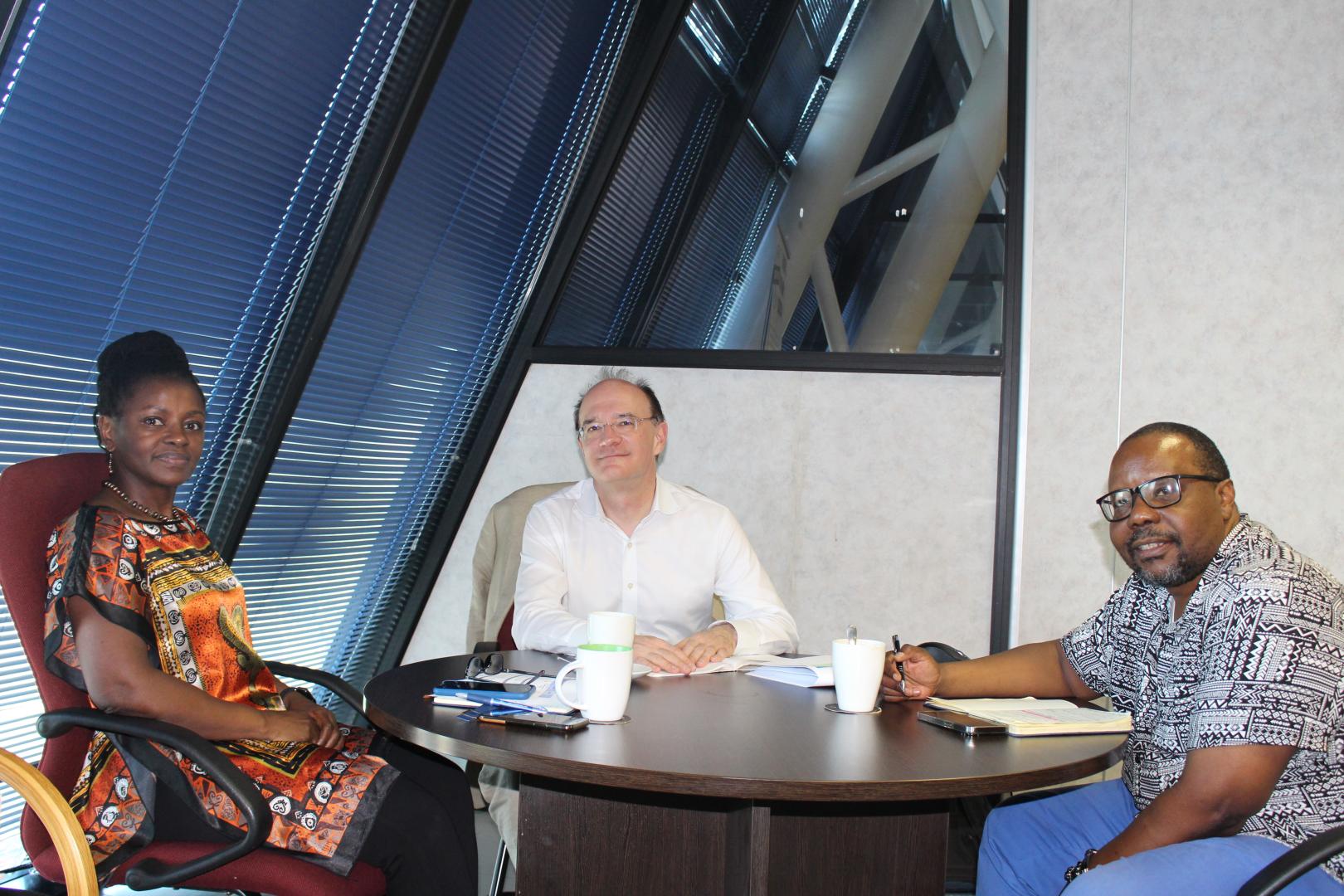
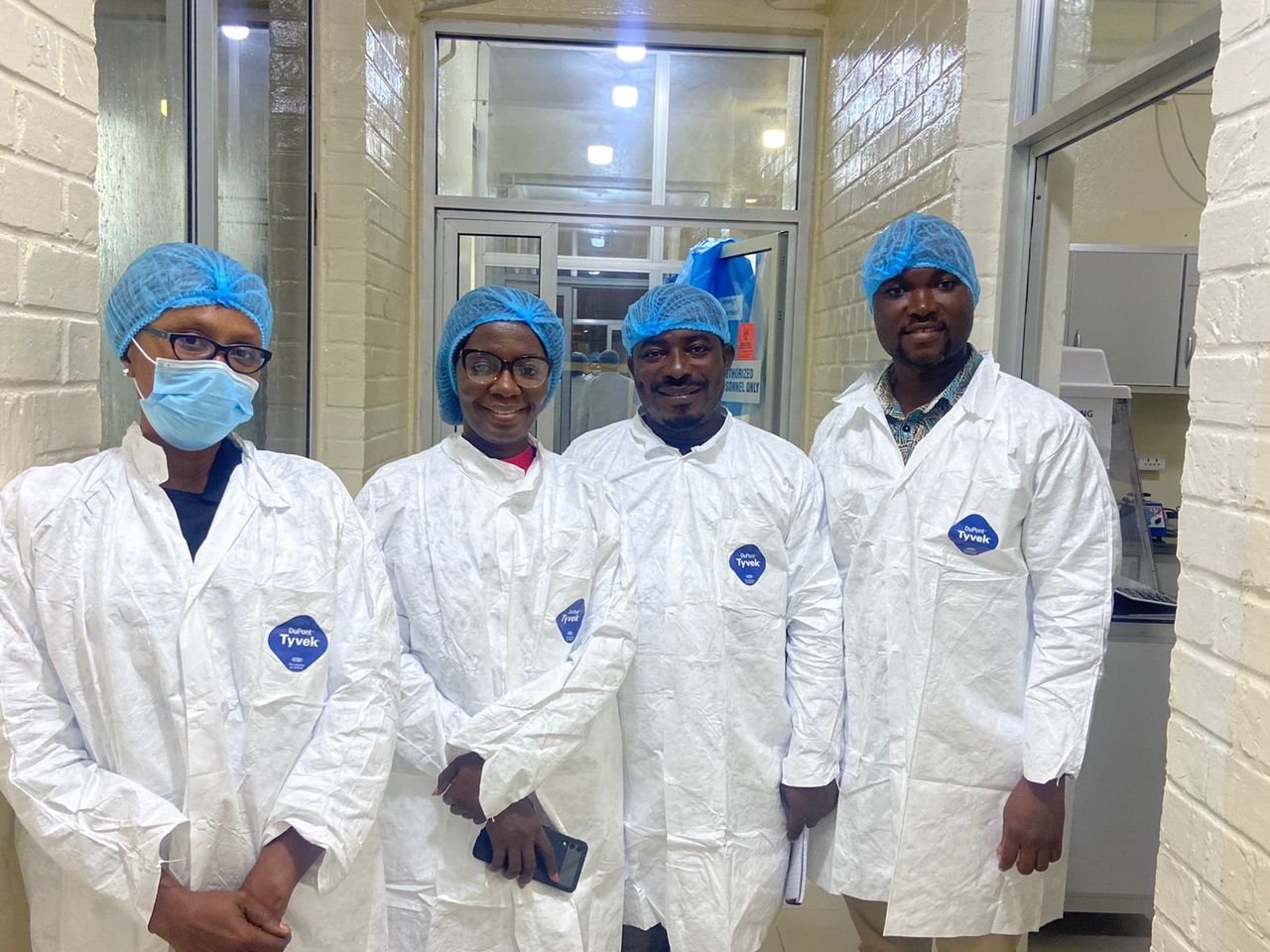
Botswana’s ARV Program has been hailed as one of the successful treatments around the world, that have been running for more than a decade. Given the number of people living quality lives on treatment for a long time, it was imperative to ensure that the treatment program does not encounter resistance strains, to the current robust ARVs in the country. In an ongoing effort to strengthen Botswana's role in HIV drug resistance surveillance, WHO expert from Geneva, Dr.
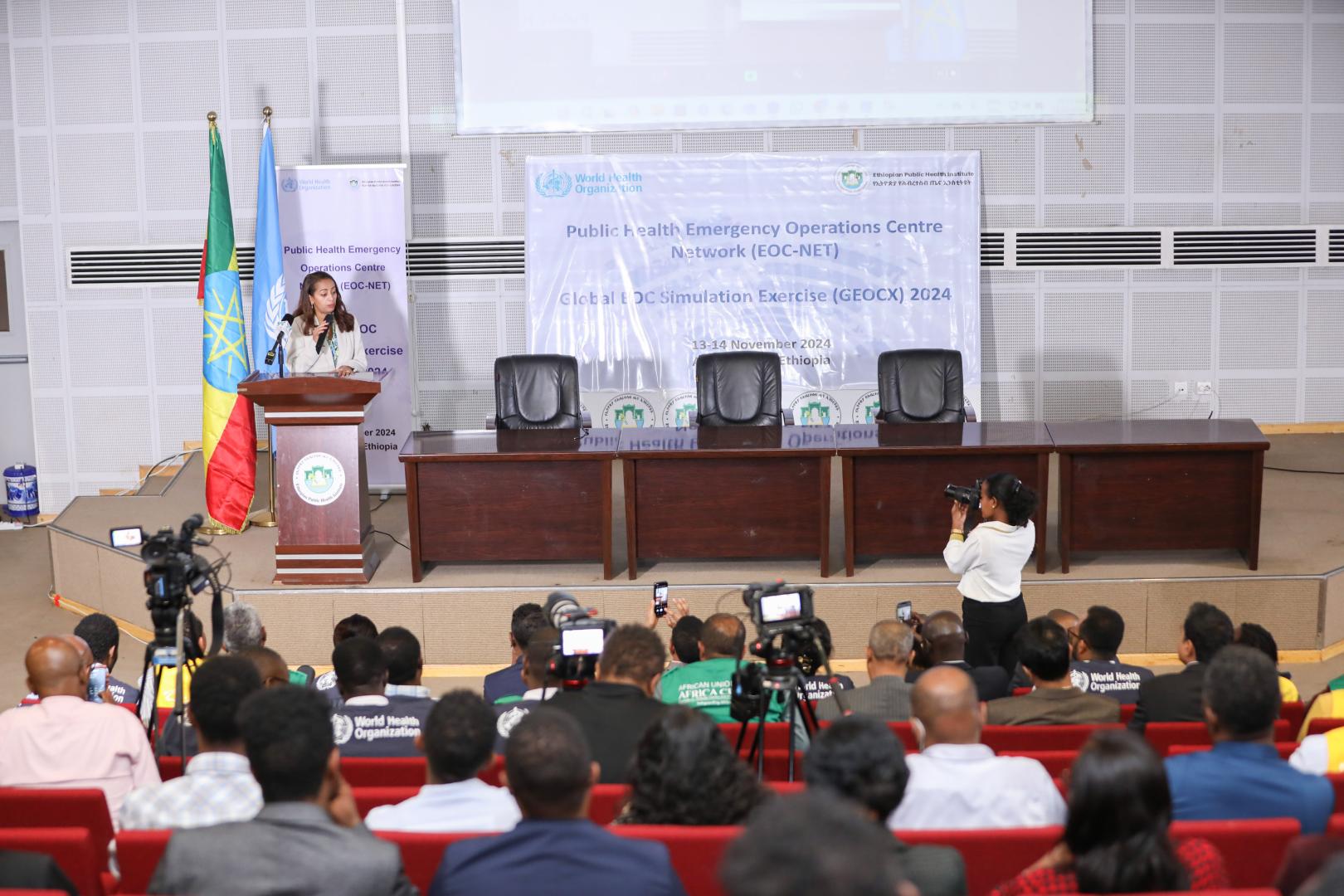
Ethiopia to host 2024 global EOC simulation exercise, strengthening public health emergency preparedness
Press Release
Addis Ababa, Ethiopia, November 13-14, 2024 – The Ethiopian Public Health Institute (EPHI) and WHO Ethiopia will host the 2024 Global Emergency Operations Center Simulation Exercise (GEOCX), organized by WHO’s Emergency Operations Centre Network (EOC-NET). This exercise aims to bolster the capacity of Public Health Emergency Operations Centers (PHEOCs) worldwide to prepare for and respond to health emergencies.
Knowing your numbers – stahekolders joined forces in fighting two silent killer diseases
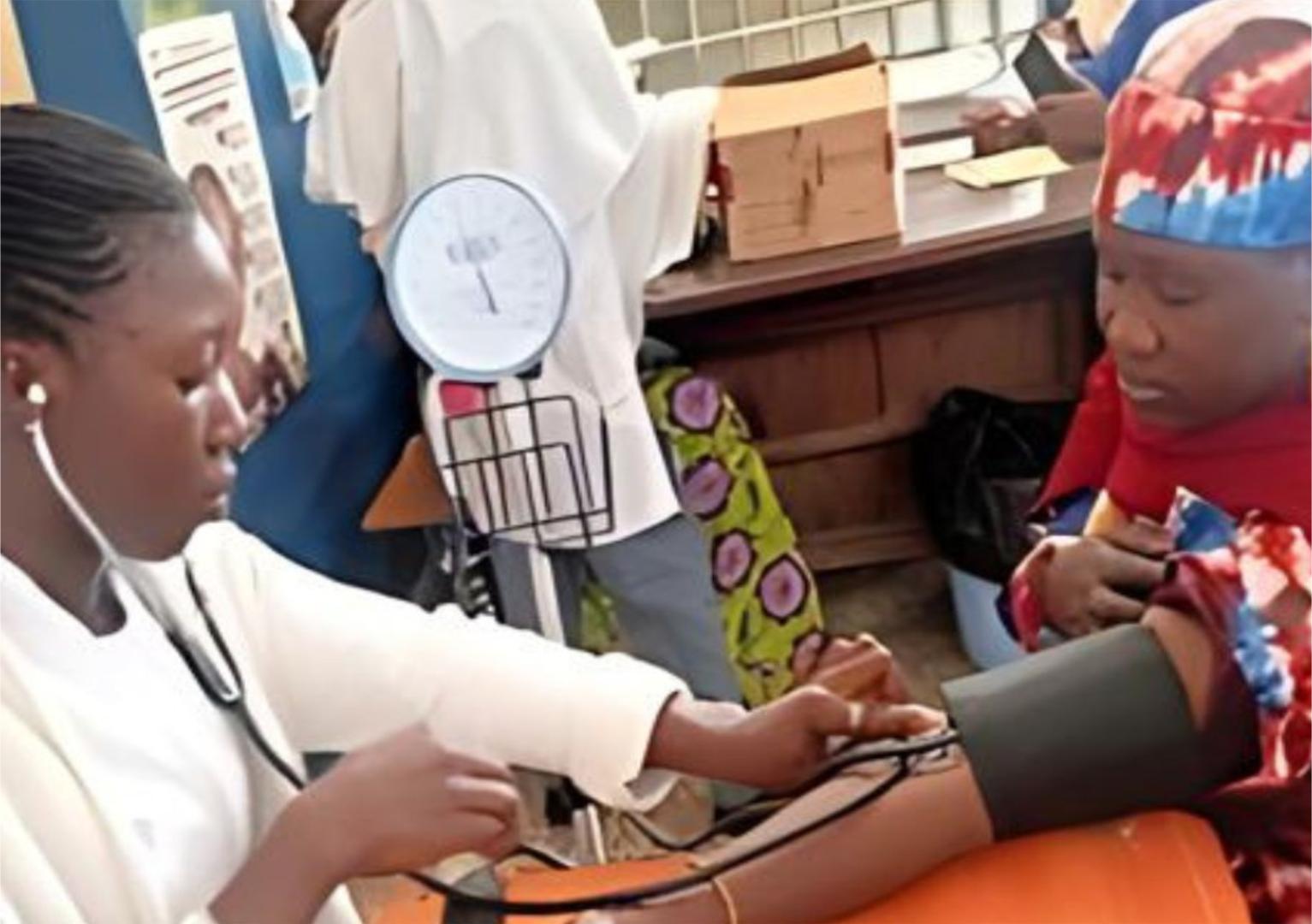
Kaduna, 13 November, 2024 - Theresa Wyankume, a 45-year-old teacher from Kaduna, a state in the northern part of Nigeria, has always been diligent about her family’s health, but like many, she often neglects her own.
She had always been healthy—or so she thought until she was recently diagnosed with hypertension.
“I felt fine but decided to attend the screening because it was free and easily accessible.” she reflected. Theresa took advantage of the free screening after a neighbour told her about it.