Partnerships and resource mobilization
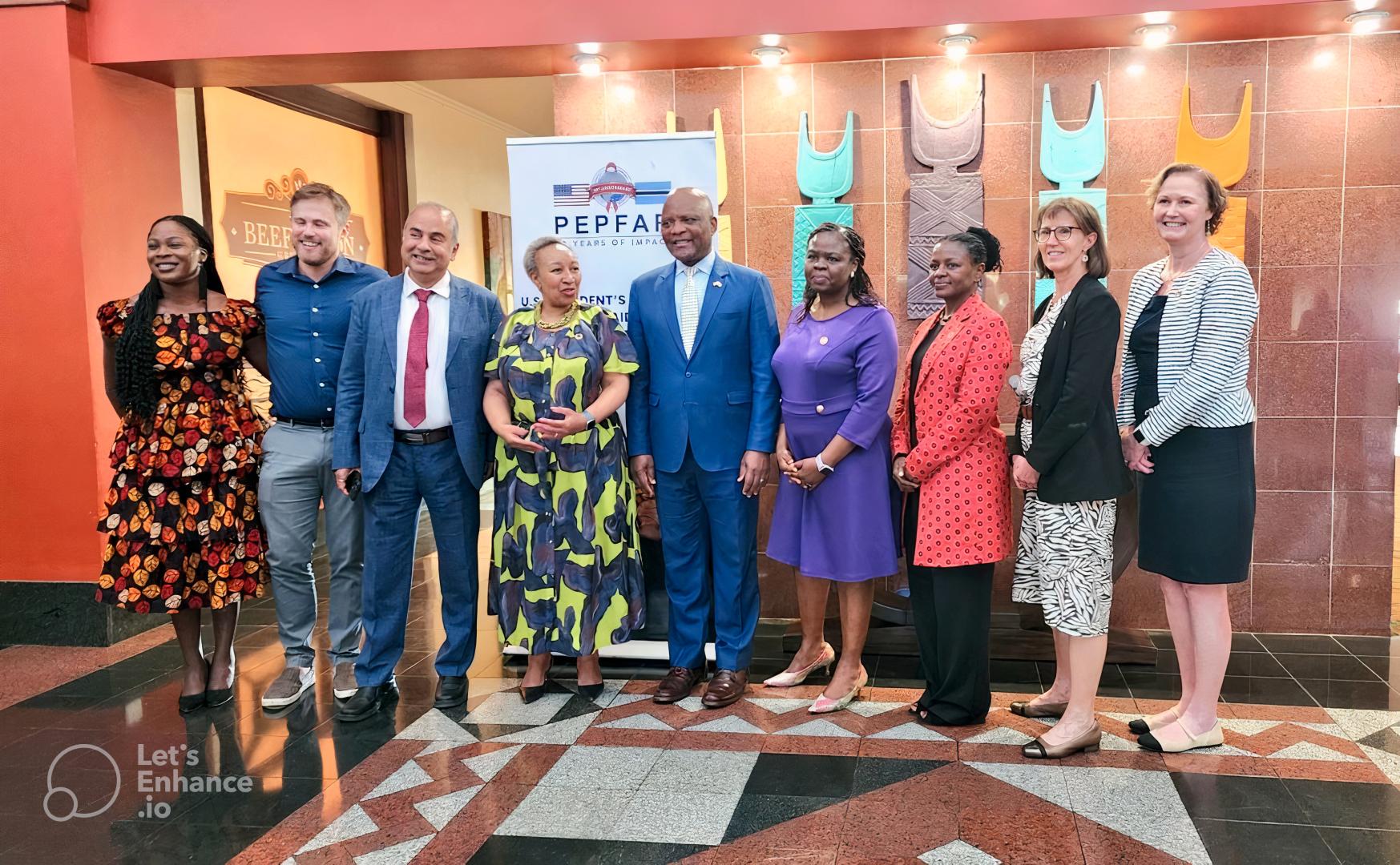
In early October, Ambassador John Nkengasong, US Global AIDS Coordinator, led the Global Health Security and Diplomacy team to Botswana. They met with development partners, including WHO, and held discussions with government and health partners to:
• Review PEPFAR’s successes, challenges, and sustainability efforts.
• Assess development partners’ strategies to close HIV gaps and promote integration.
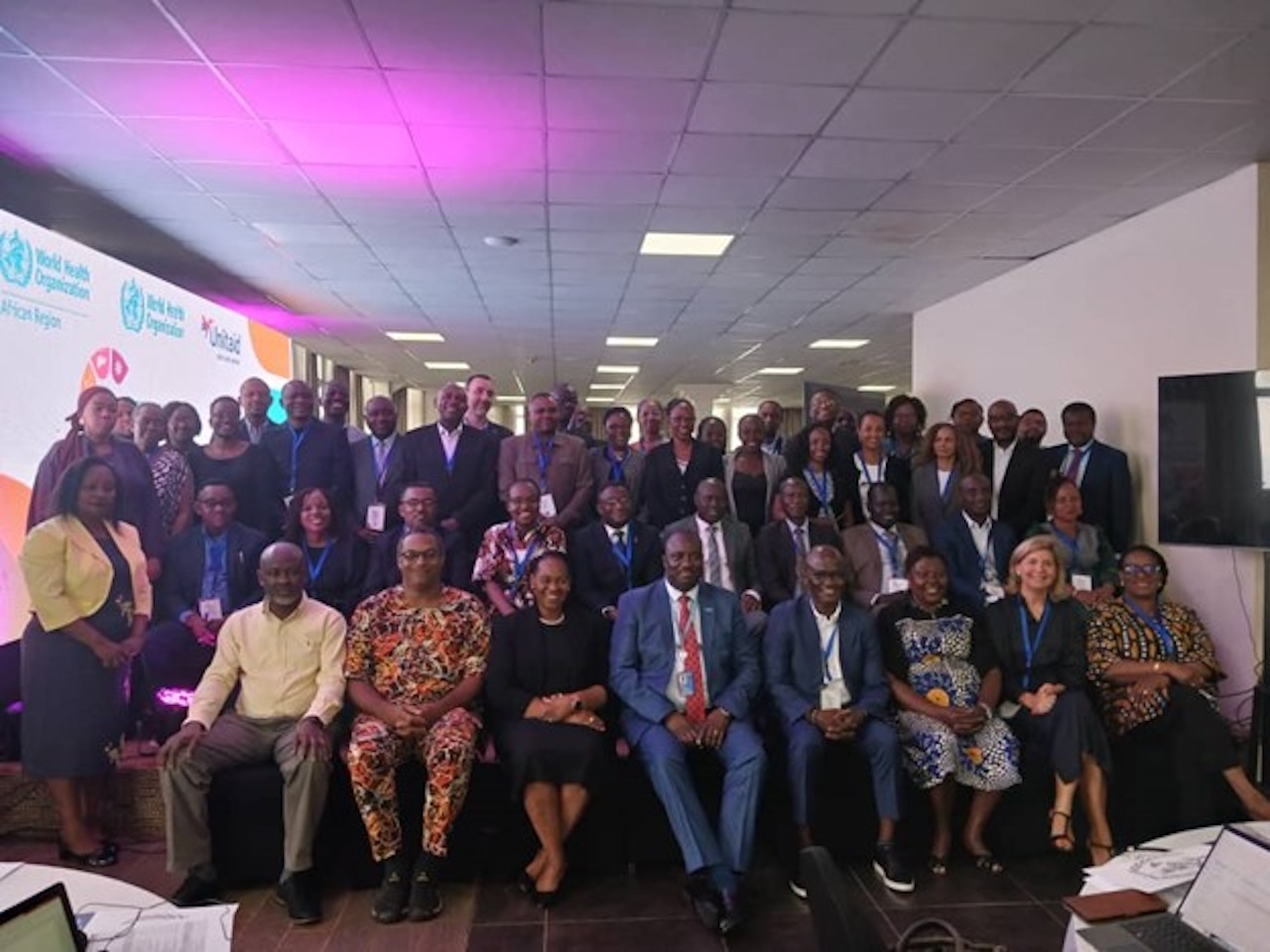
Uganda Concludes Groundbreaking Program Managers Meeting to Strengthen HIV Response through Integration of NCD and Mental Health Services
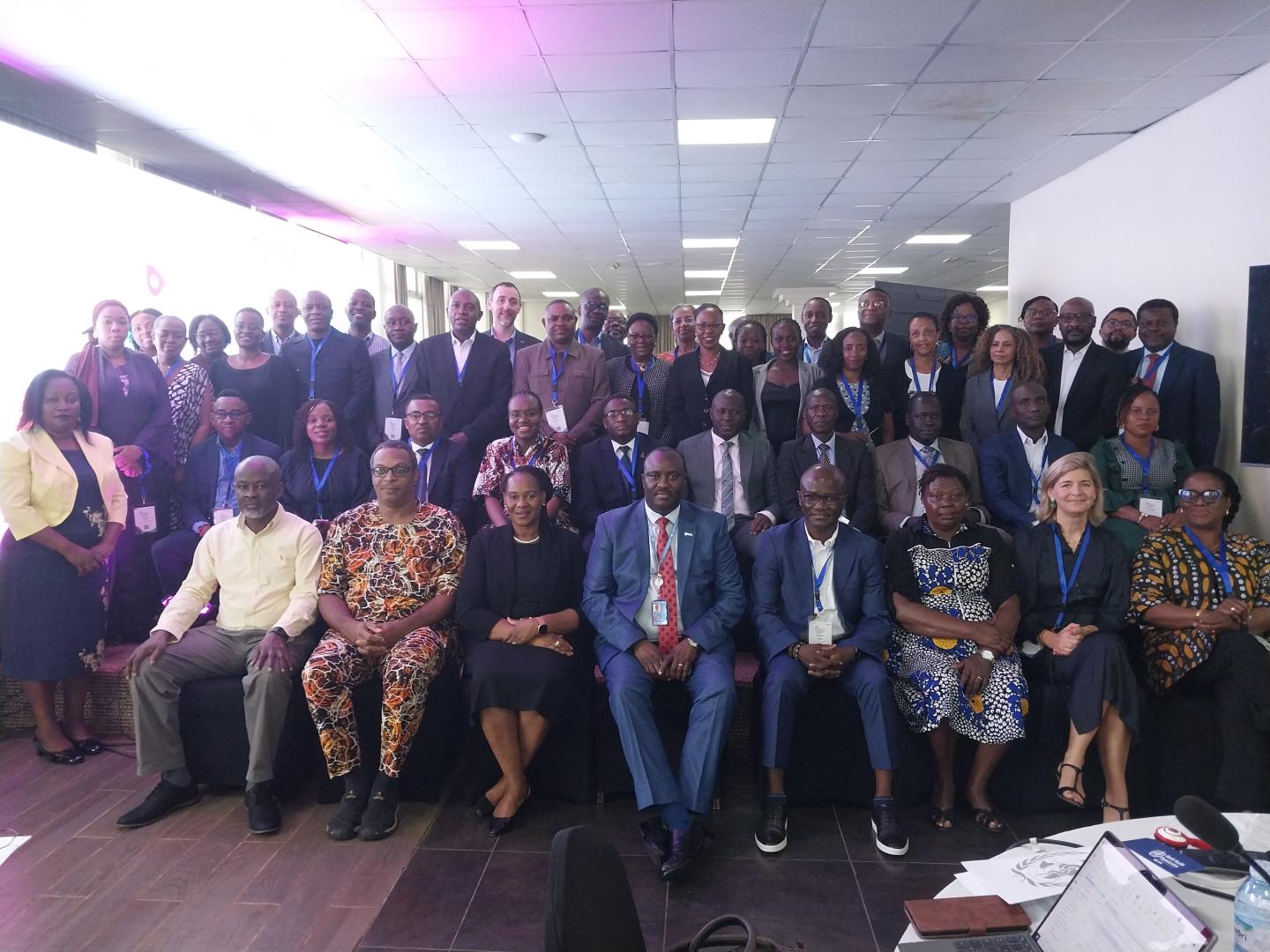
Uganda has successfully hosted a pivotal five-day meeting aimed at transforming healthcare delivery by integrating HIV, non-communicable diseases (NCDs), and mental health services. The event, held in Kampala from October 28 to November 1, 2024, was organized by the World Health Organization (WHO) and key international health partners. It brought together national program managers, WHO officials, and health experts from over 20 countries to discuss strategies for building a resilient, unified healthcare system that addresses multiple health needs.
Africa Regional Certification Commission for Polio Eradication urges heightened efforts in 2025 to restore immunity and make polio history.
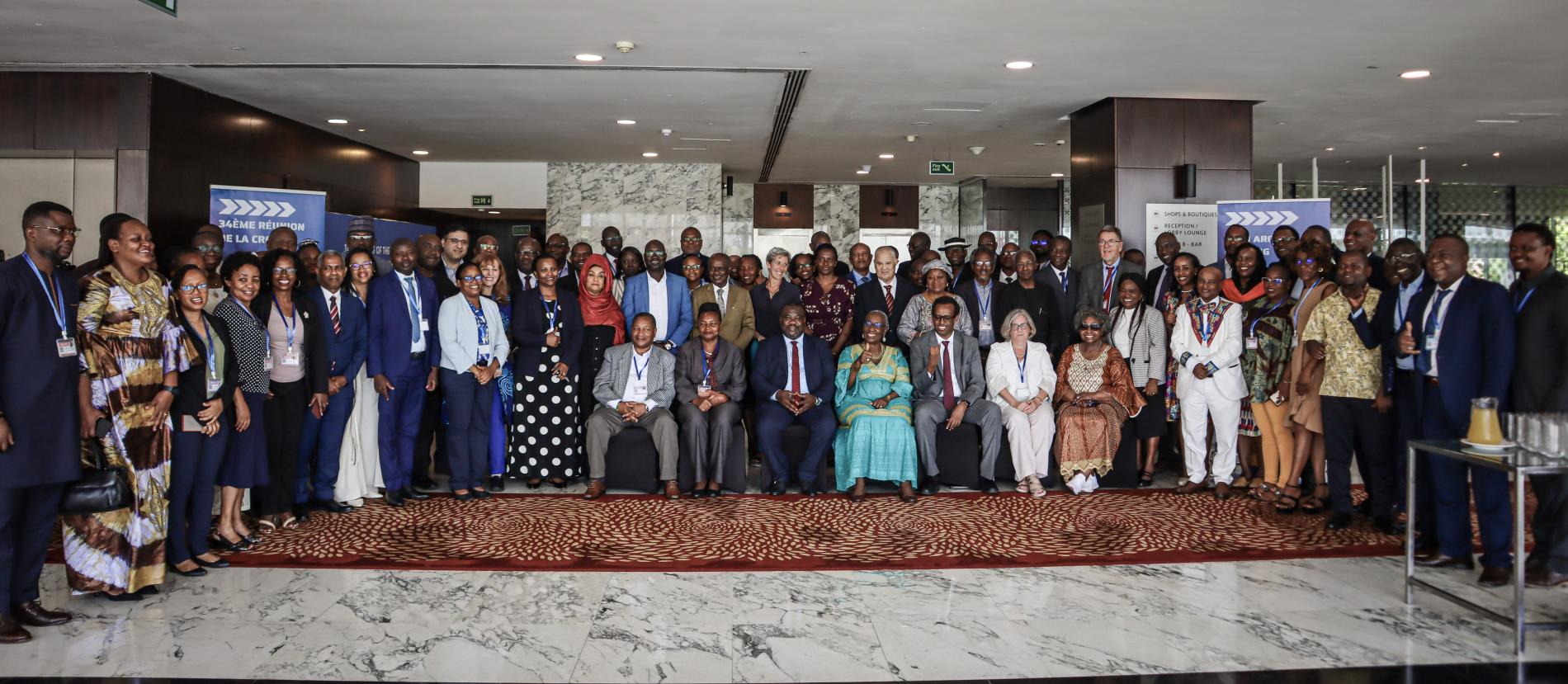
Dar es Salaam - The Africa Regional Certification Commission for the Certification of Poliomyelitis Eradication (ARCC) has urged Burundi, the Democratic Republic of Congo (DRC), Ethiopia, Kenya, South Sudan, and the United Republic of Tanzania, along with health partners, to take swift action to close polio immunity gaps and address ongoing outbreaks.
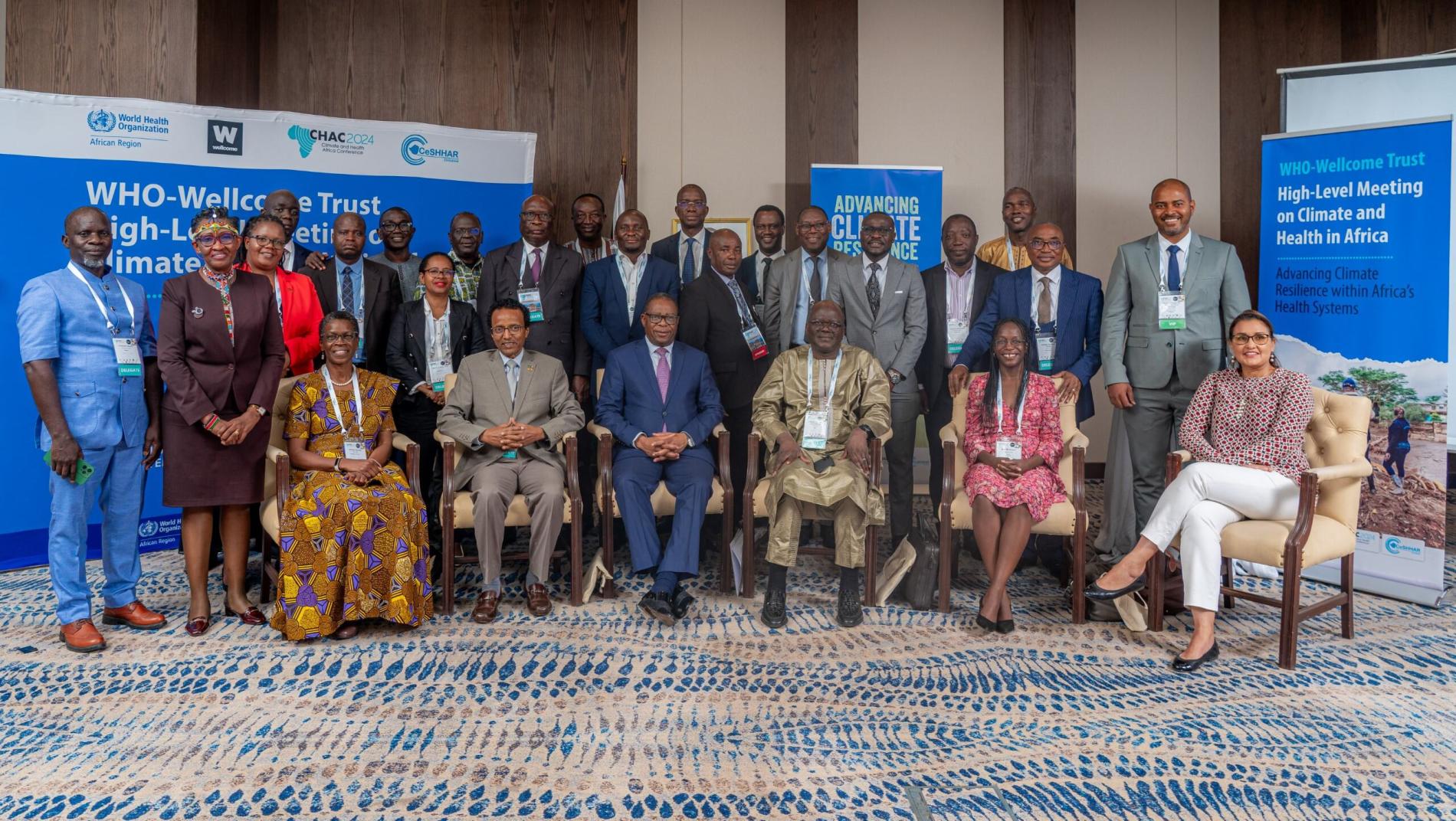
African health ministers, delegates adopt declaration on climate change and health
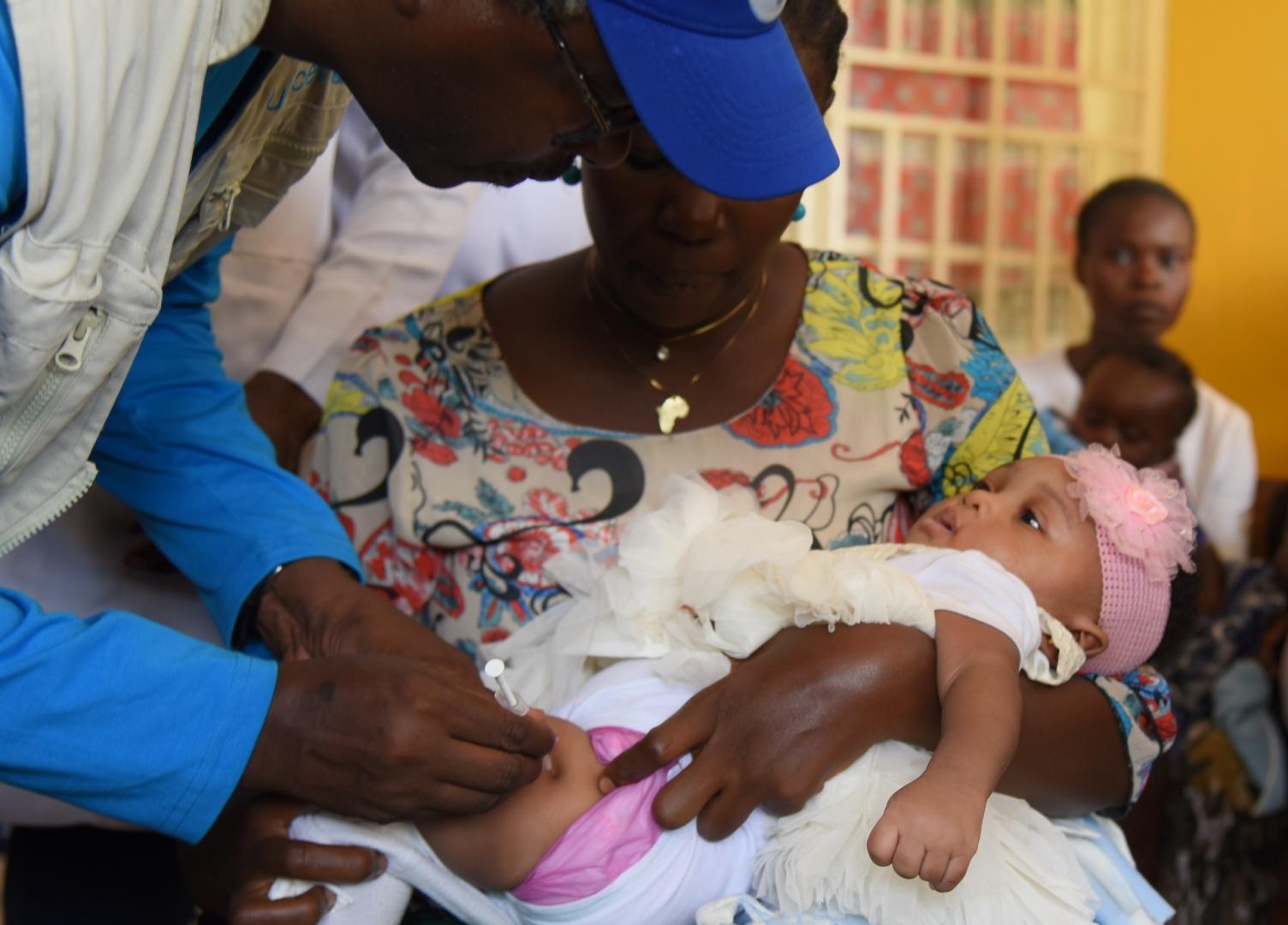
The Democratic Republic of the Congo introduces R21 malaria vaccine
Liberia launches the RMNCAH+N Policy 2024-2031 and the CSS
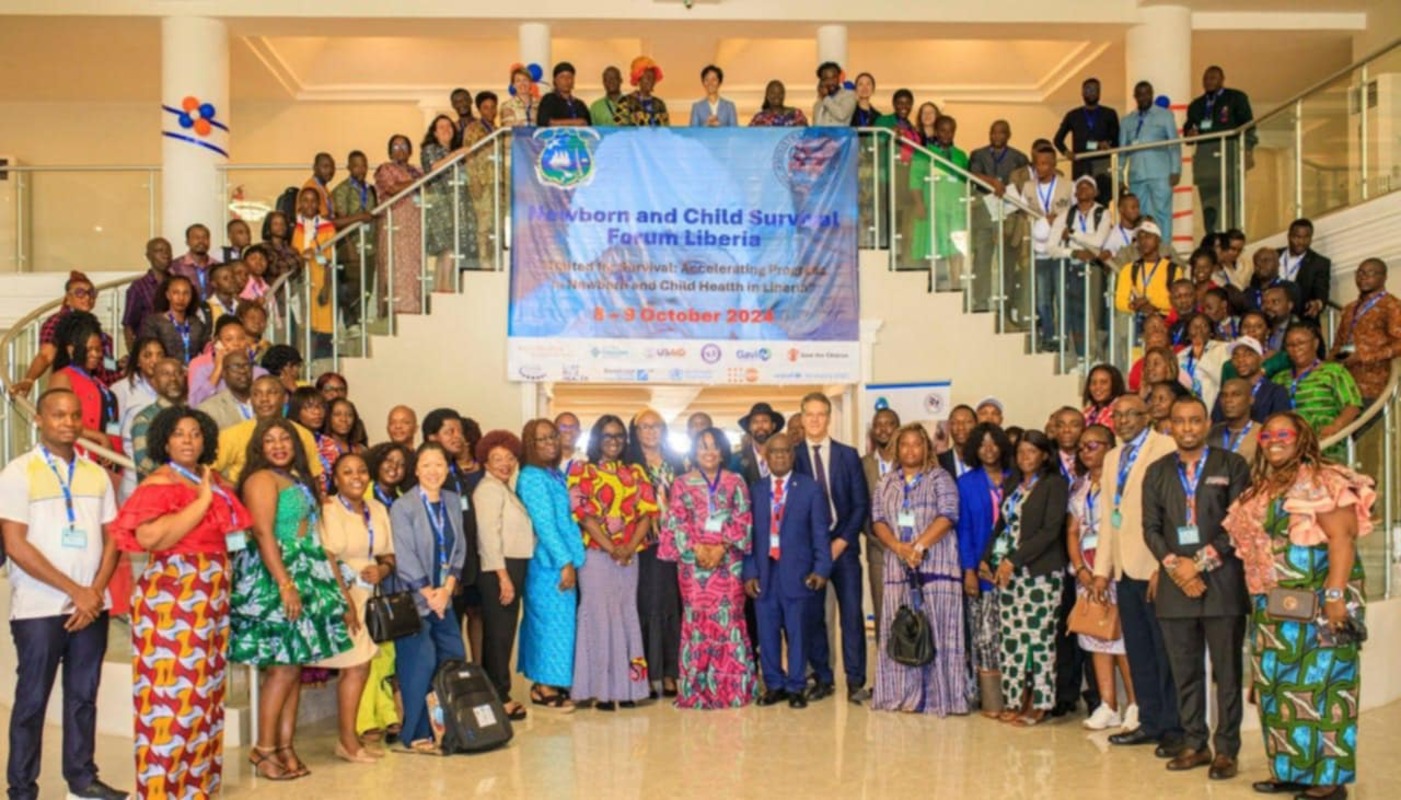
In a bold step towards accelerating the reduction of maternal and child mortalities, the Government of Liberia in partnership with UNICEF, the World Health Organization (WHO), and other partners, launched a comprehensive Reproductive Maternal Newborn Child and Adolescent Health and Nutrition Policy (RMNCAH+N) seven-year policy and the Child Survival Strategy (CSS) and action plan.
HIV Health Experts convene in Mahalapye to assess HIV Drug Resistance in Botswana
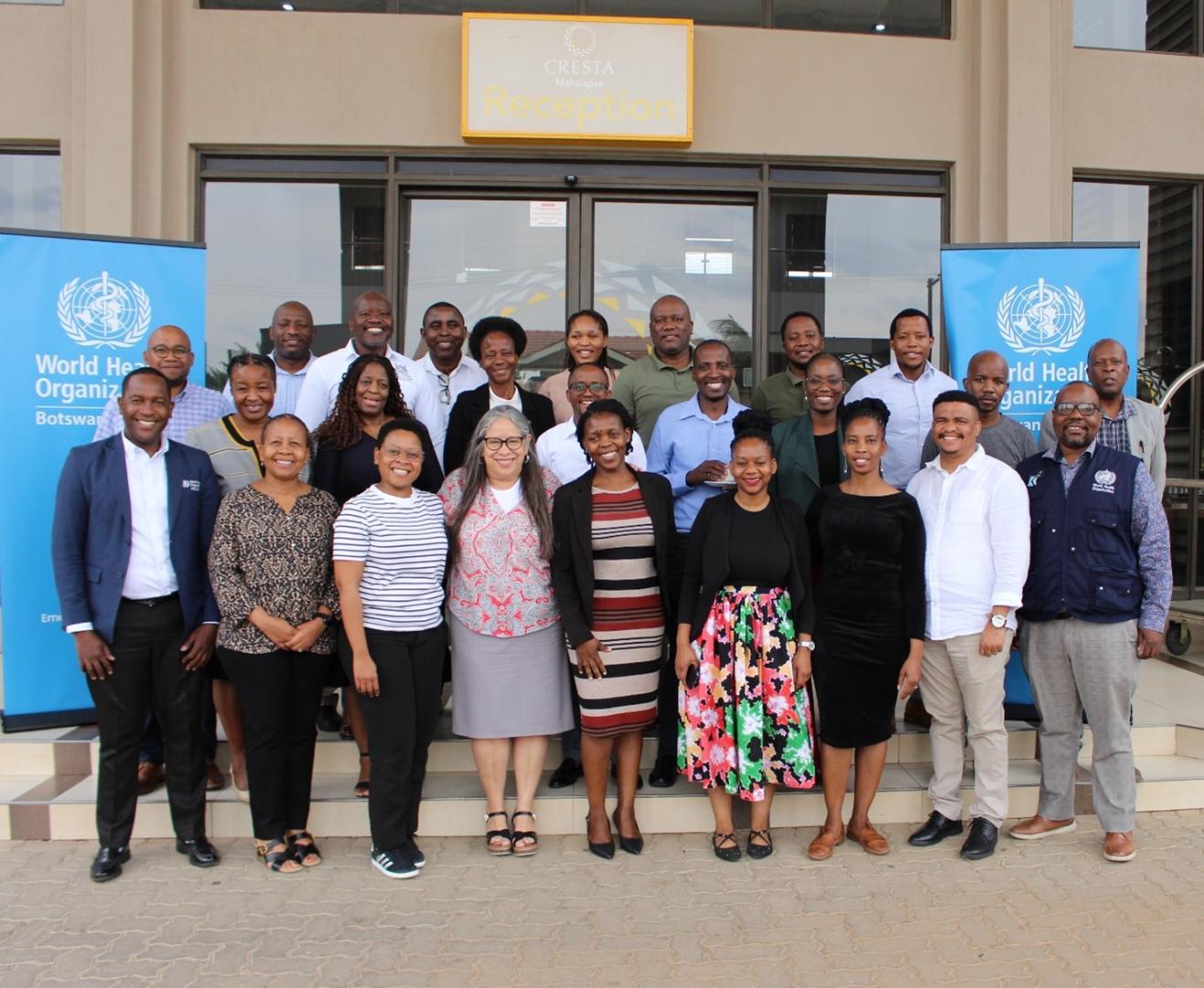
For several years, Botswana has made significant strides in its HIV treatment program, managing to control the spread of the virus effectively. However, with longevity of the program, introduces the potential for the virus to mutate and thus resistance to the current medications not work as effectively to suppress. , thus a growing concern over the rise of drug resistance now threatens this progress.
South Sudan declares cholera outbreak in Renk, Upper Nile State

Juba, 28 October 2024—The Ministry of Health has declared a cholera outbreak today in Renk, Upper Nile State. This declaration comes after reports of 44 suspected cholera cases, and six laboratory-confirmed cases on 23 October 2024 in Renk, Upper Nile State. As of 27 October 2024, 49 cholera cases have been reported among refugees, returnees, and local communities.
WHO in Africa, WomenLift Health sign pivotal agreement to strengthen women’s leadership in health
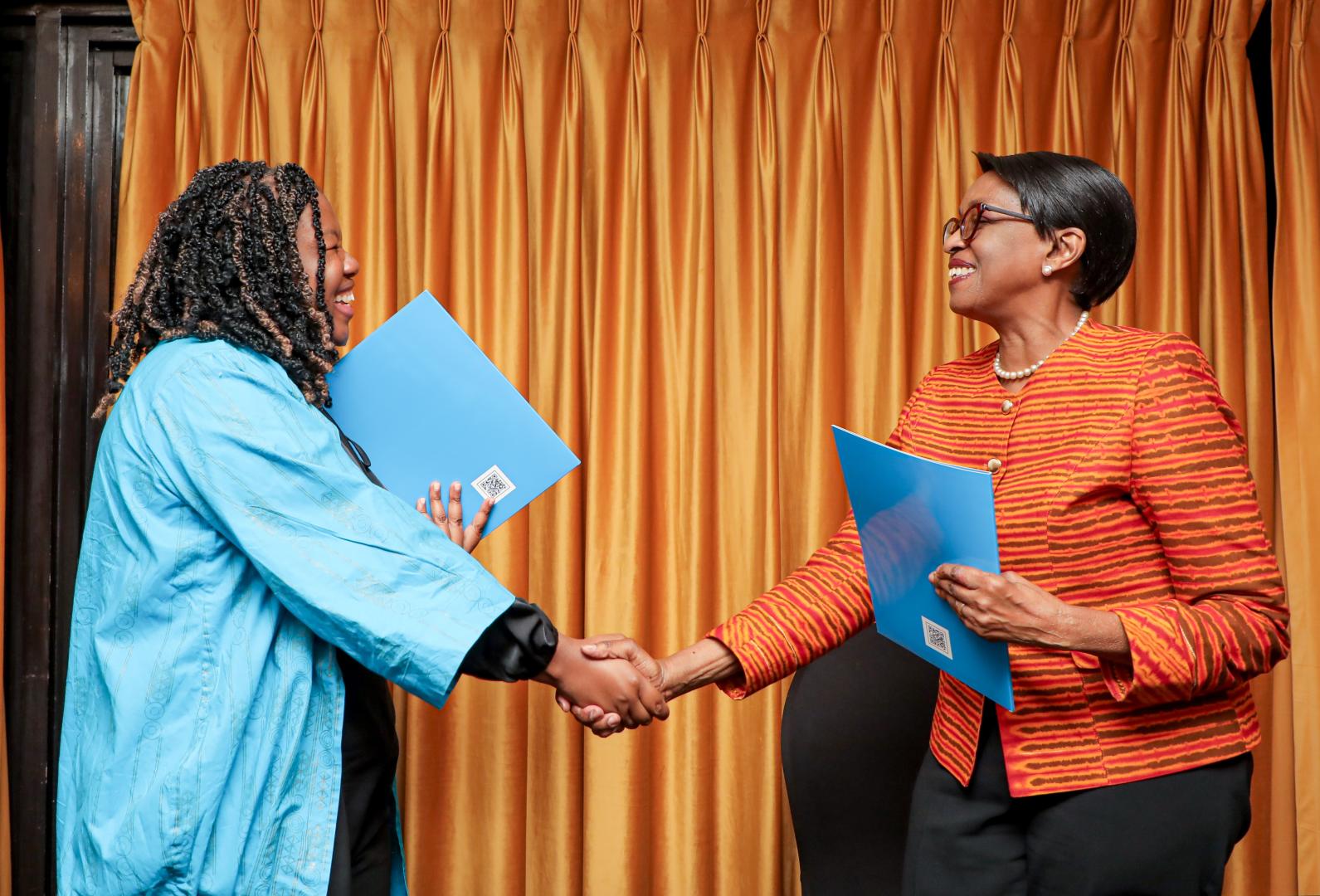
Addis Ababa – World Health Organization (WHO) in the African Region and WomenLift Health today crossed a major milestone, cementing a crucial partnership to bolster investments in women’s leadership in health and promote gender equity in the sector across the region.
HIV and Hepatitis Program Managers meet in Kampala to discuss how to close gaps in programmes and integrate NCDs and Mental Health services