Ethiopia holds a consultative and advocacy meeting on the implementation of the national cholera elimination plan
On 26 December 2022, the Ethiopian Ministry of Health led a consultative and advocacy meeting on the implementation of the National Cholera Elimination Plan (NCP), which aims to reduce cholera cases in to zero by 2028, and which was launched in May 2022 during the 75th World Health Assembly in Geneva Switzerland.
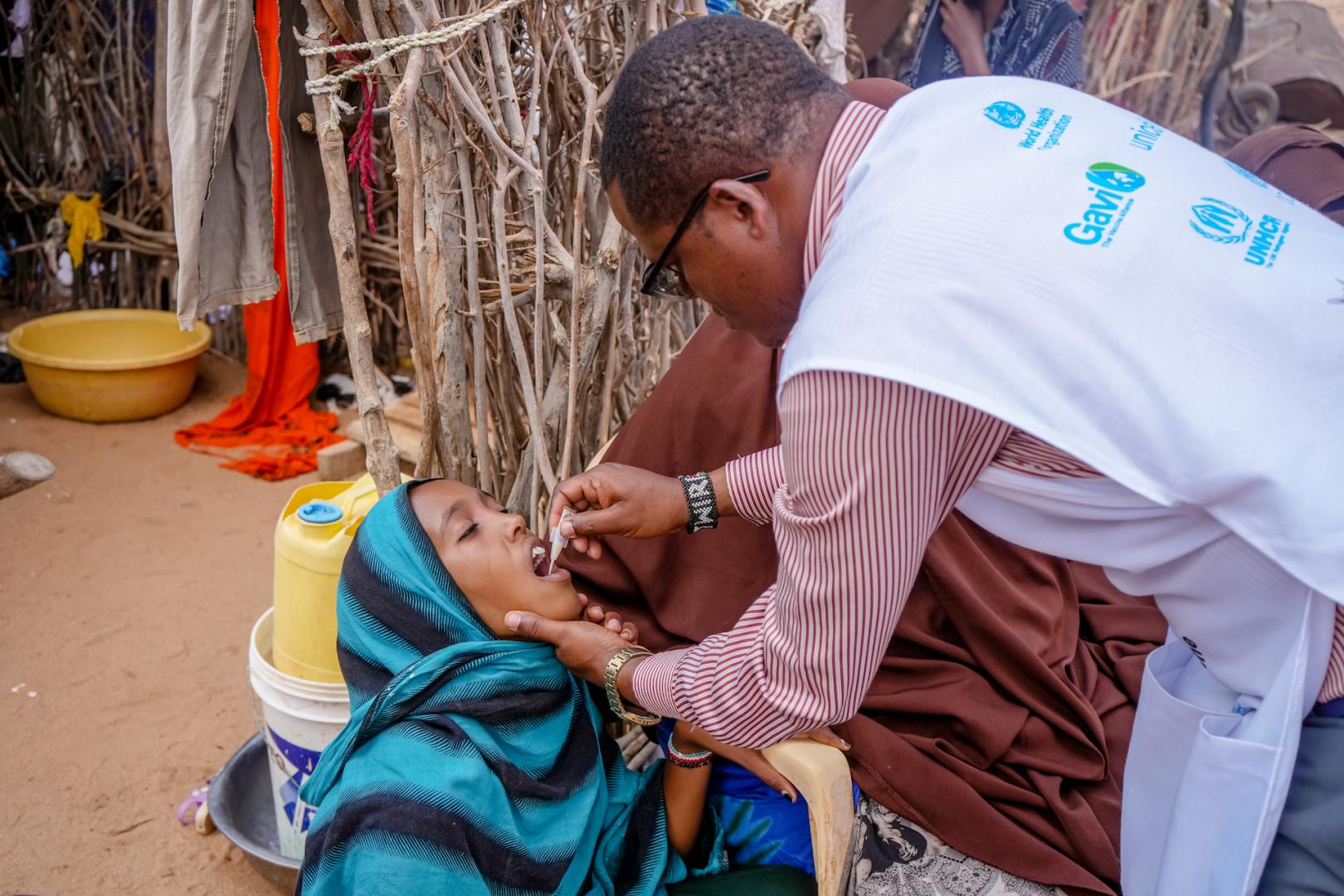
Ethiopia kicks off a nationwide integrated measles vaccination campaign targeting over 15.5 million children
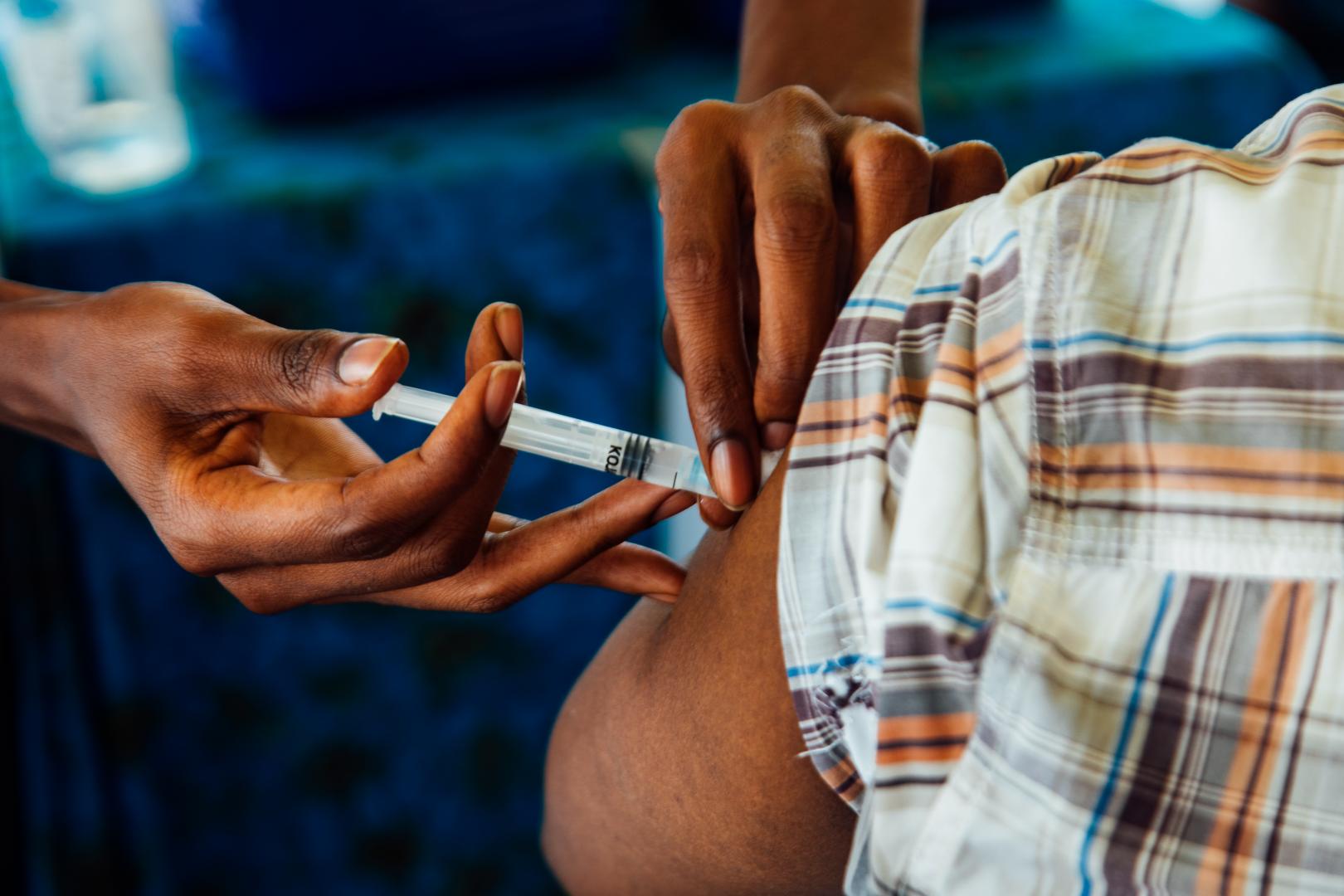
The Federal Ministry of Health (MoH) officially launched a nationwide integrated measles vaccination campaign on 22 December 2022 in an event officiated by honourable State Minister of Health Dr Dereje Duguma in Siriti Health Center at Akaki Kaliti Sub-City in Addis Ababa. The national launching event was conducted in the presence of government officials, donors, immunization partners, religious and community leaders and the media.
Charlene's Story: The evolution of Rwanda's HIV response through positive eyes
Charlene Byukusenge fondly remembers the carefree days of her childhood. "Playing outside, dancing, sharing toys with friends – those were the days," she says with a nostalgic smile. But one hospital visit changed everything, revealing a harsh reality that would change her life forever.
WHO Ethiopia Successfully Completes Workshop of Biennium 2024-2025 Planning
The Ethiopian Country Office of the World Health Organization- (WCO Ethiopia) successfully completed a two-day planning workshop in consultation with government stakeholders and development partners.
Held from 12th - 13th December 2022, the planning workshop aimed at aligning with the WCO Country Cooperation Strategy (CCS) 2021-2025, the 13th General Program of Work (GPW 13), the Sustainable Development Goals (SDGs), the United Nations Sustainable Development Cooperation Framework (UNSDCF) and the National Health Sector Transformation Plan II of Ethiopia.
Connecting with people: WHO boosts capacity of the Afya Call Center
Dar es salaam – Call Centers are among the most commonly used tools by health authorities in the response public health emergencies such as the COVID-19 pandemic. The reason is three-fold, first, they establish a direct link between at-risk populations and emergency responders. Secondly, they improve responders’ understanding of people’s perceptions, attitudes and concerns. Finally, they provide public health advice, counselling and/or referral to other services.
Making mental health a priority amongst community leaders in Namibia
WHO Namibia supported the Council of Churches in Namibia (CCN) seminar on mental health to raise awareness on mental health promotion and suicide prevention amongst the church and community leaders and mobilize efforts in support of mental health care at community level. The seminar with church leaders, lay counselors and youth leaders was held on 15 and 16 November as part of the World Mental Health Day commemoration.
Access to Diabetes Care in Namibia
Namibia joined the rest of the world in commemorating World Diabetes Day on 14 November under the theme “Access to diabetes care” which highlight the importance of prevention and response efforts.
Enjoy the festive food without putting your health at risk
Abuja - 23 December 2022 - The festive season is a time for celebration. However, enjoying the holiday’s food does not mean neglecting healthy diet, being inactive and putting your health at risk.
Elizabeth Agbonkhese, a chef and event planner residing in Abuja, says despite the celebration in the air, she will ensure her family eats healthy meals during the yuletide season.
Making every school in Namibia a health promoting school
WHO Namibia with support from the Regional Office in Africa trained 45 school staff, nurses, and school board members from schools in the Oshana region as part of the SURGE flagship programme. The aim of the training was to increase capacity of schools to implement the health promoting school initiative and prepare better to minimize impact of health outbreaks and other public health events on schools.
Developing the capacity of government to respond better to misinformation during public health emergencies
The Ministry of Health and Social Services with support from WHO, trained national and regional risk communication and community engagement pillar members on Infodemic management. The spread of the COVD-19 pandemic has been followed by unprecedented and repeated waves of misinformation and disinformation generating what has been defined as an Infodemic. This overabundance of misleading information has been amplified by social media and affected the deployment of public health responses, generating fear and anxiety in local populations about preventive measures and vaccination campaigns.