Tanzania adopts multisectoral accountability framework to accelerate progress to end Tuberculosis (TB)

Simiyu - Tanzania marked the World TB Day in 2023, with the launch of the Multisectoral Accountability Framework to end TB (MAF TB) in Simiyu region, Northern central Tanzania. The high-level launch was graced by the Prime Minister, Kassim Majaliwa and attended by the health minister and partners involved in TB response in Tanzania.
World Oral Health Day 2023: WHO urges countries to unite, follow, and implement the Regional and Global strategies on oral health

Message from WHO Regional Director for Africa, Dr Matshidiso Moeti
Global partners commit to improve Maternal, Newborn and Child Health

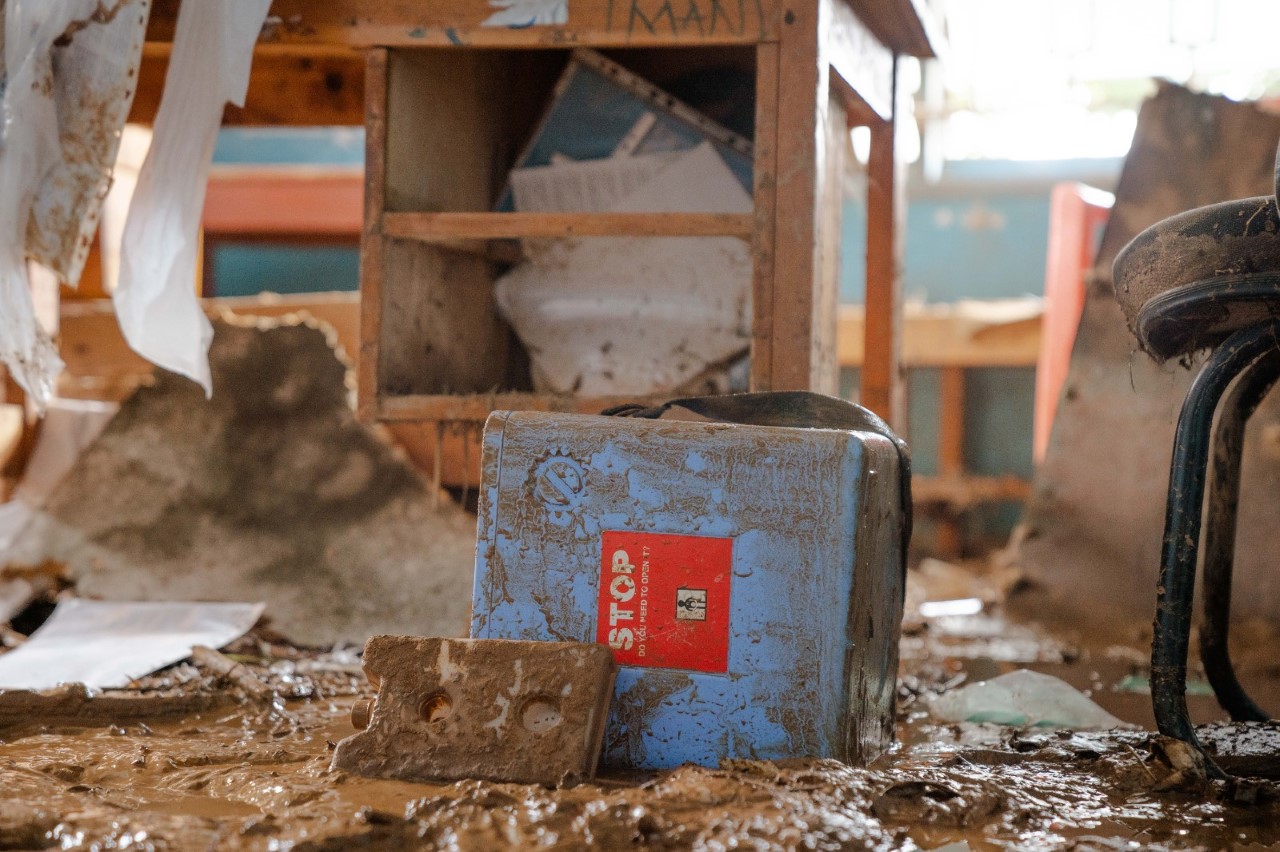
Cyclone Freddy deepens health risks in worst-hit countries
As hundreds of thousands flee Somalia to Ethiopia, UN and partners call for urgent funding
Joint Press Release
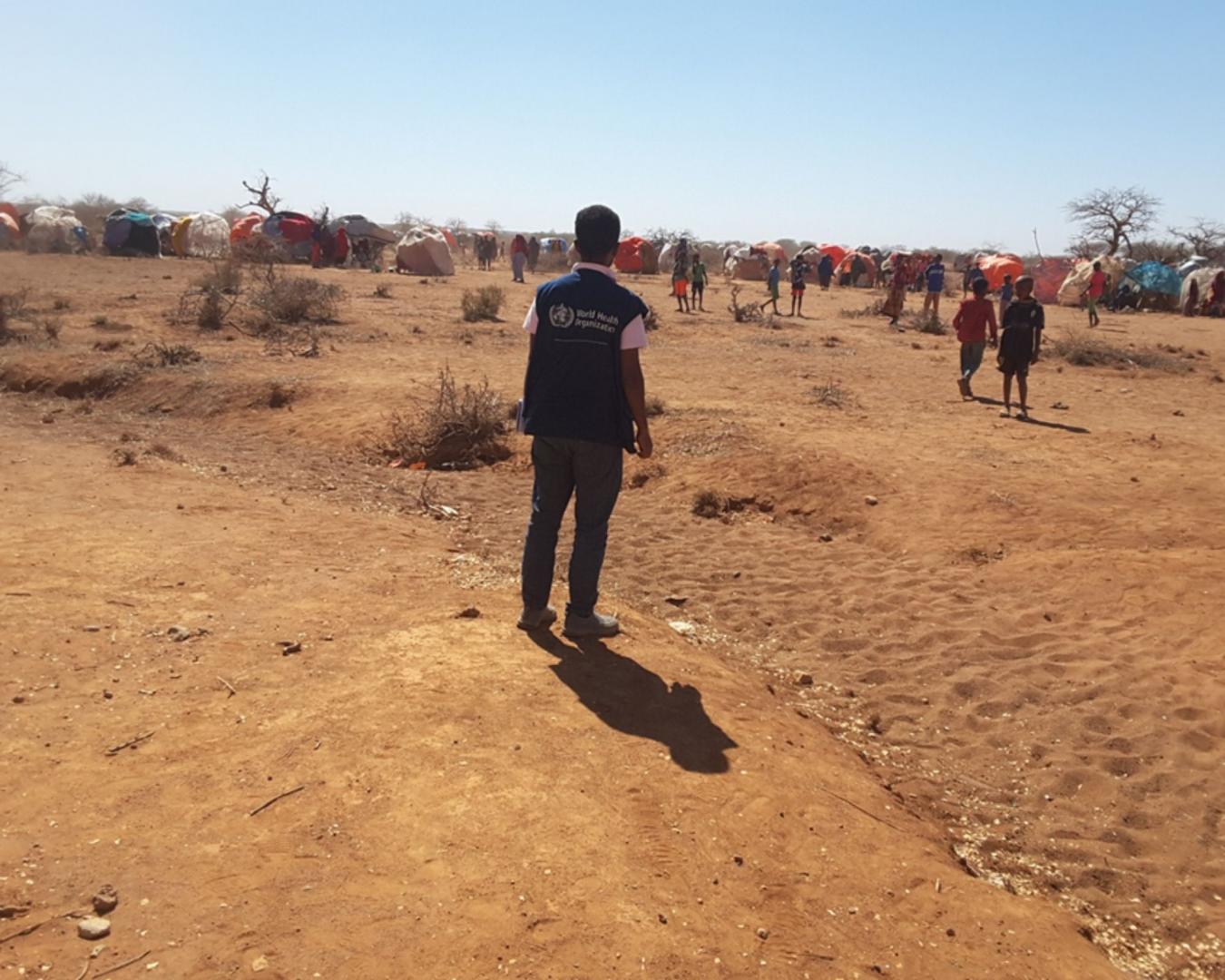
22 March 2023 – As needs grow and refugees continue to arrive, UN agencies and partner organizations today appealed for $116 million to provide life-saving assistance to Somali refugees seeking safety in an extremely remote area of Ethiopia’s Somali region.
Since hostilities erupted last month in the city of Laascaanood, in the Sool region, Somalia , hundreds of thousands of people have been displaced within Somalia and close to 100,000 are estimated to have crossed the border into Ethiopia to escape violence.
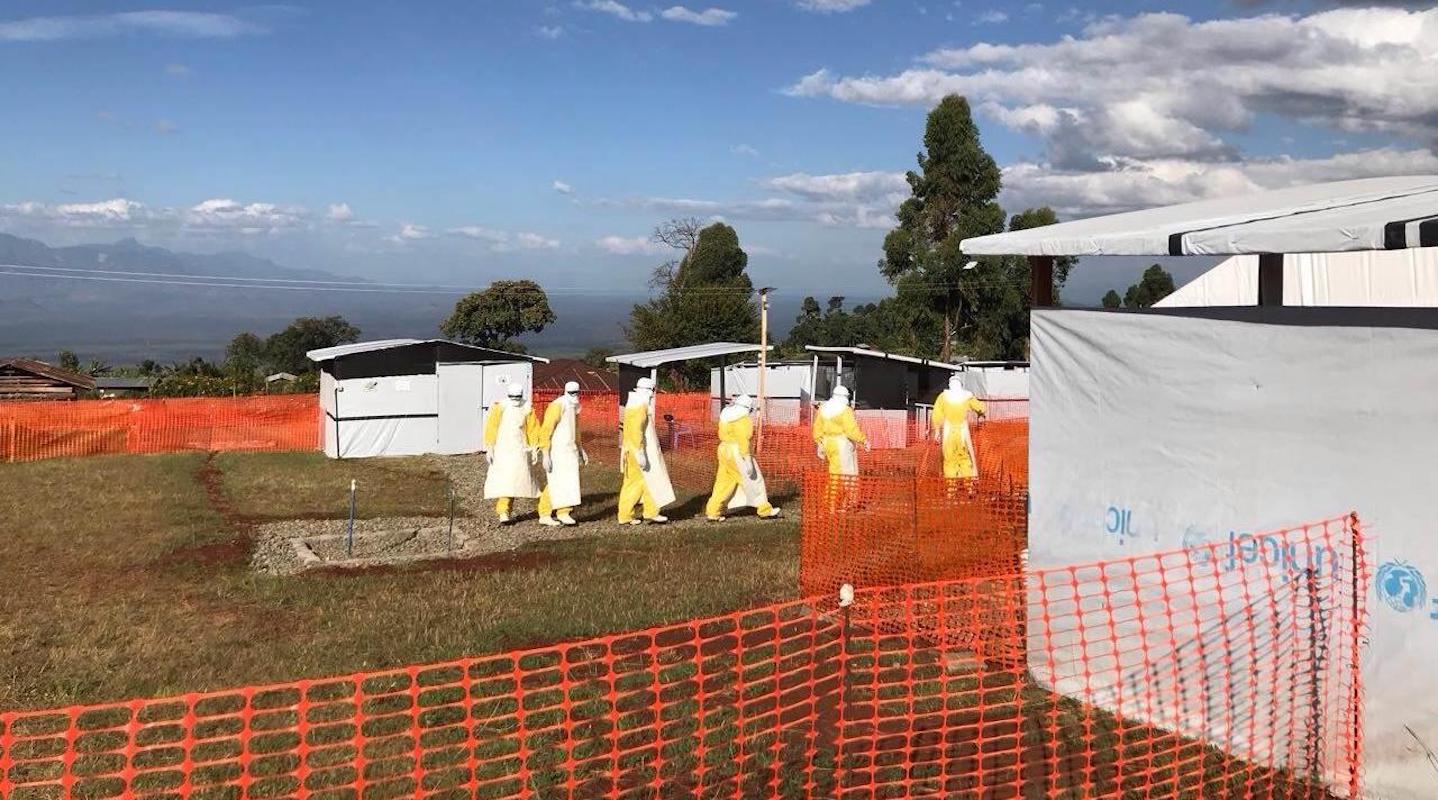
Equatorial Guinea confirms eight more Marburg cases
South Sudan formulizes One Health Multi Sectoral Coordination Mechanism to address zoonotic diseases and other public health threats

To reduce the risk and mitigate the impact of future emergence of zoonotic, vector-borne and communicable diseases, South Sudan has operationalized and launched its One Health Multi Sectoral Coordination Mechanism.
The first ever One Health Mechanism was launched in Juba by Honorable Dr Martin Elia Lomoro, Minister of Cabinet Affairs alongside his counterparts from the Ministry of Health, the Ministry of Livestock and Fisheries and the Ministry of Environment with participation of other stakeholders.
Tanzania confirms first-ever outbreak of Marburg Virus Disease
Live a dignified life with treatment – says Noma Survivor

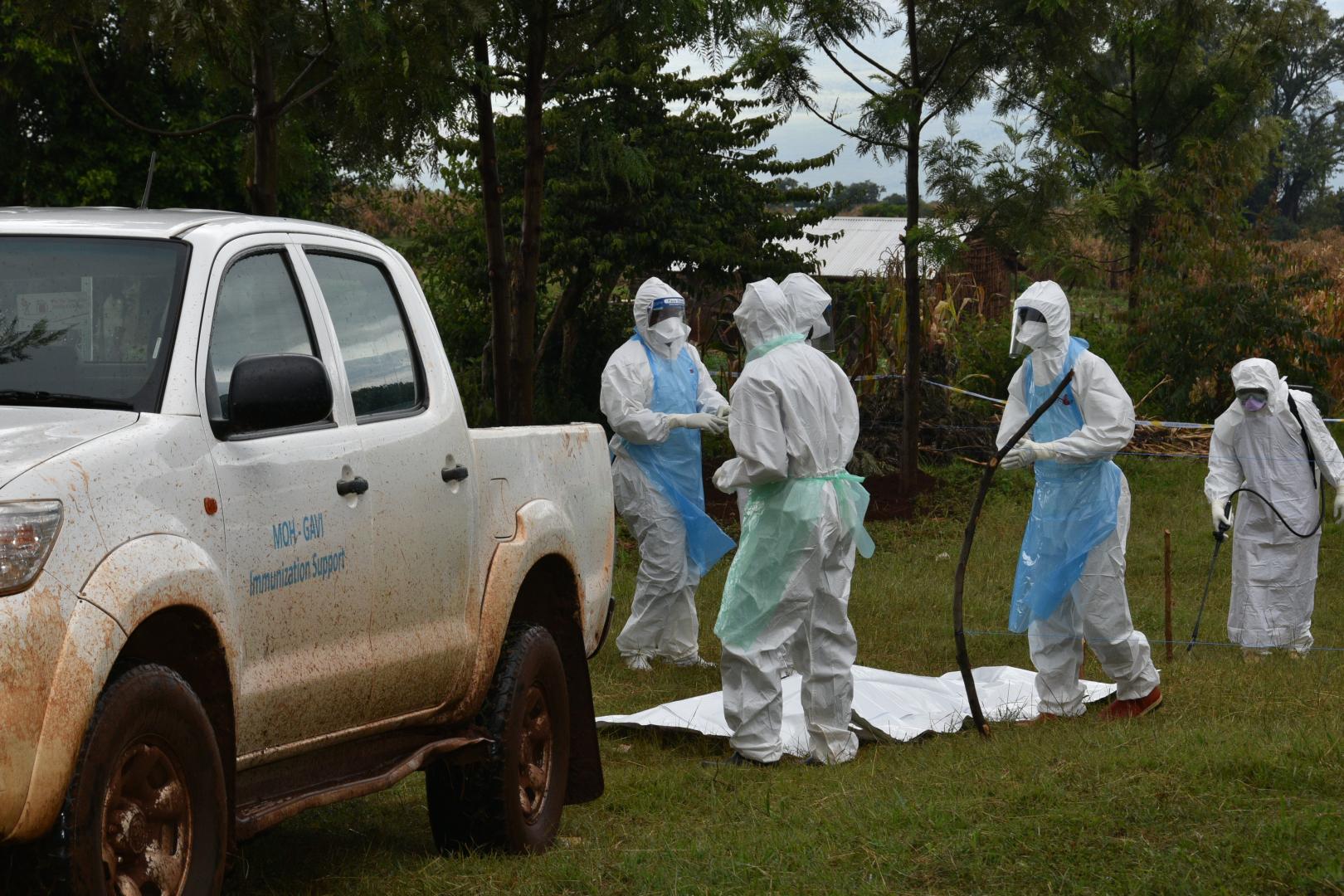
Sokoto, 21 March, 2023 - Mohammadu Usman a 22-year-old noma survivor has found a home at the Sokoto Noma Children’s Hospital in Sokoto State, located in the northwest region of Nigeria.
Although he hails from Yobe, a state in Northeast Nigeria, he was brought in for treatment at the Noma Children’s hospital Sokoto by his father in 2017.
“My face now looks better. When I first got here, my face had a hole in it, and eating or drinking water was a challenge. Anything I put inside my mouth was pouring out through the hole.
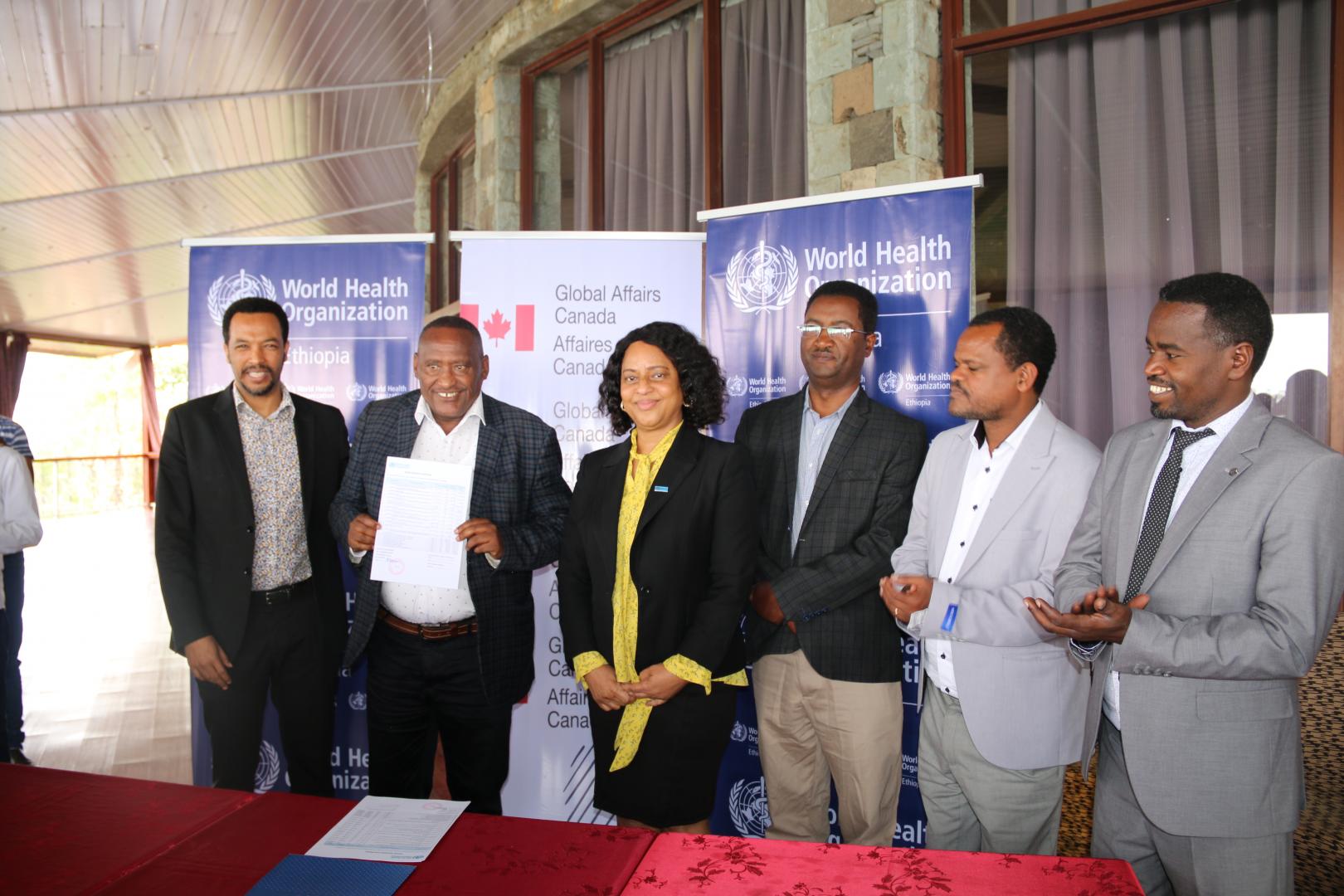
WHO Ethiopia donates medical equipment and supplies worth over 1.3Million USD
Ministry of Health Lauds WHO project on primary healthcare service