Botswana sets sights on enhanced health outcomes with the development of new immunization strategy
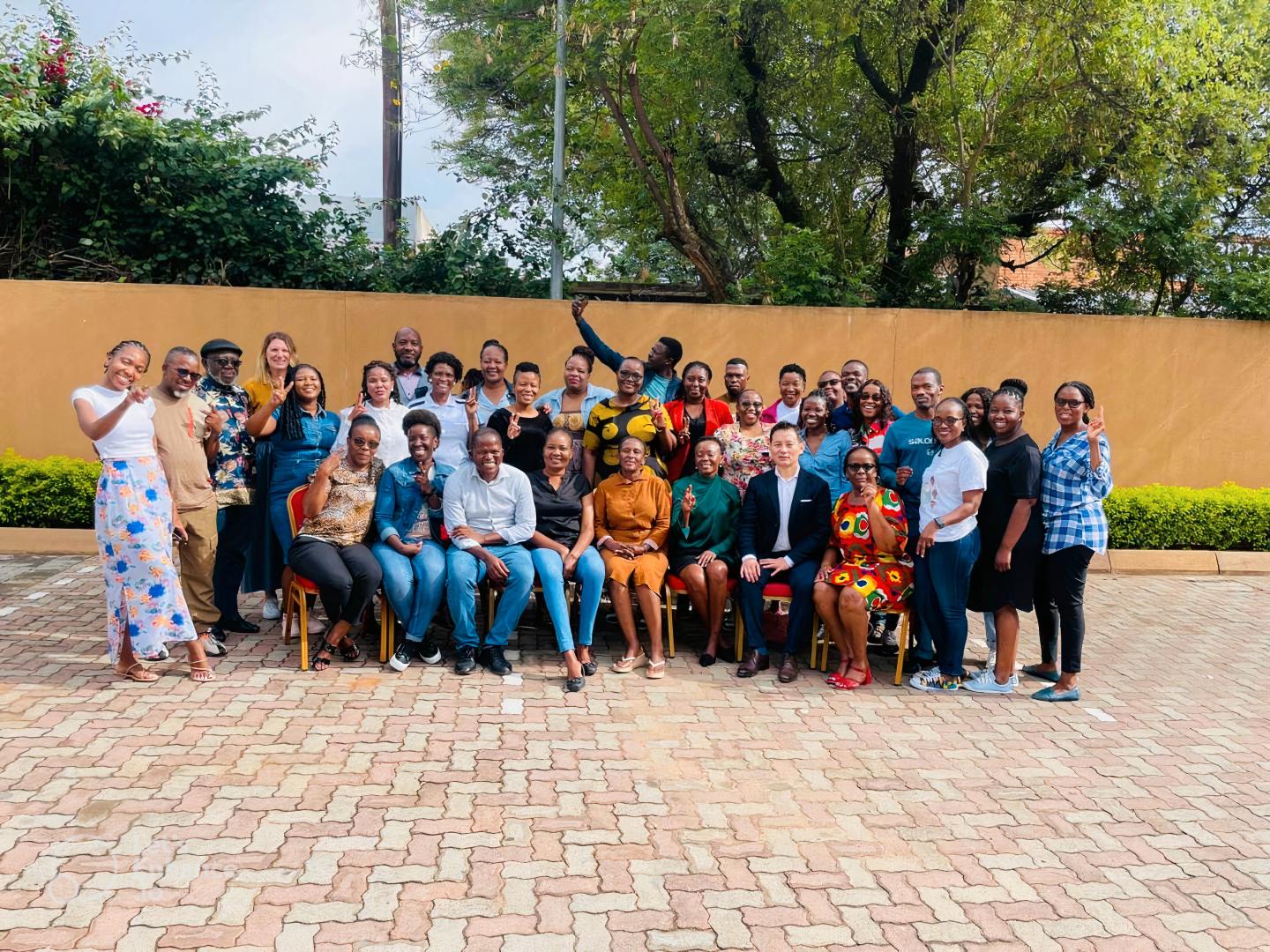
In a bold step toward strengthening public health, Botswana has developed its National Immunization Strategy (NIS) for 2025–2030. Spearheaded by the Ministry of Health's Child Health Division Expanded Program on Immunization (EPI) Unit, with critical support from the World Health Organization (WHO), UNICEF and key stakeholders. The strategy aims to ensure robust protection against vaccine-preventable diseases (VPDs) throughout the life course in alignment with regional and global immunization priorities, such as the Immunization Agenda 2030.
High level advocacy visits of WHO Deputy Executive Director for Mpox response in Uganda
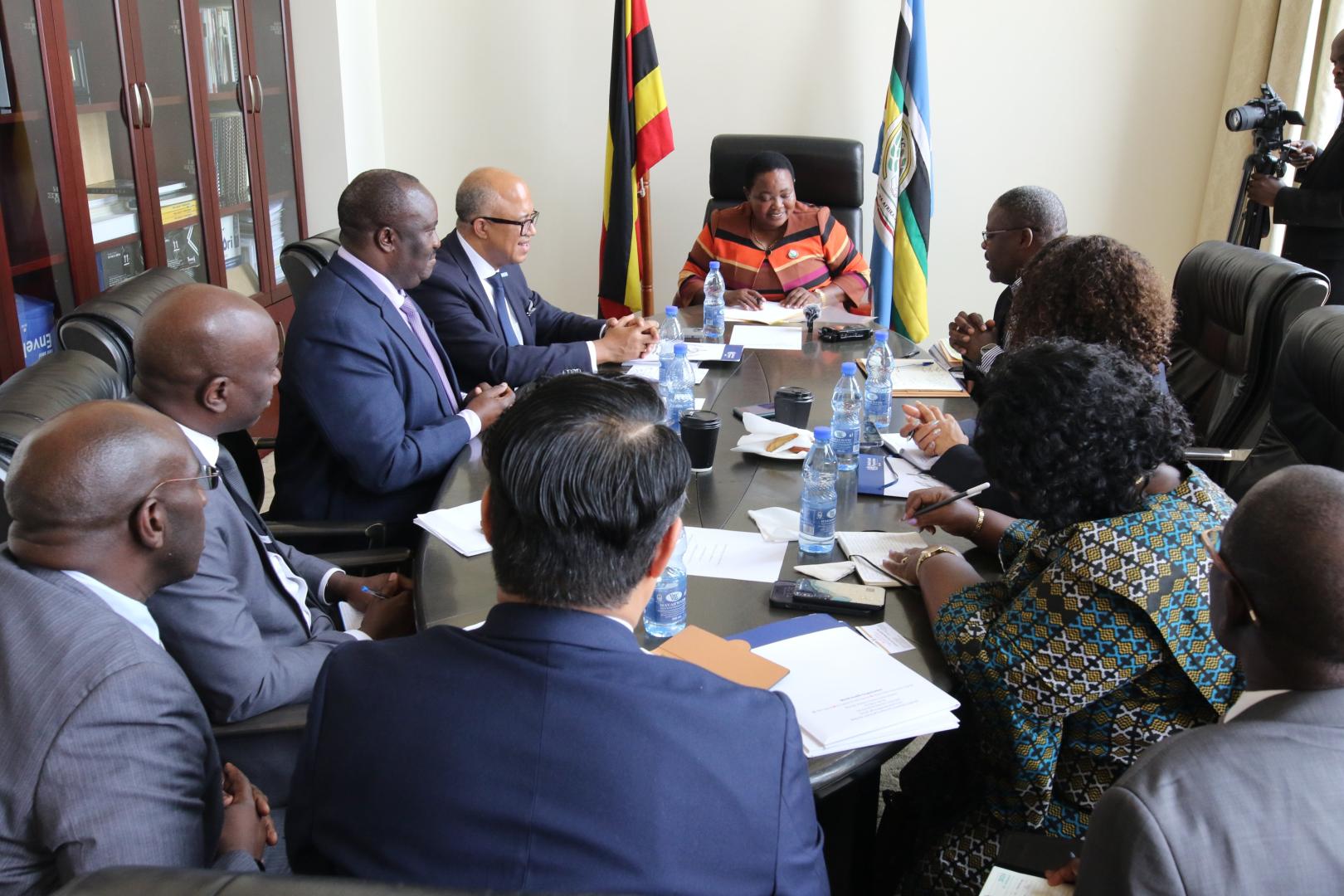
Kampala, Uganda– The World Health Organization Deputy Executive Director of the Health Emergency Programme, Dr. Chikwe Ihekweazu, and the World Health Organization Africa Regional Emergency Director, Dr. Abdou Salam Gueye, concluded a successful two-day advocacy visit to Uganda (24-25 October 2024).
Chad introduces malaria vaccine in triple-vaccine rollout for children
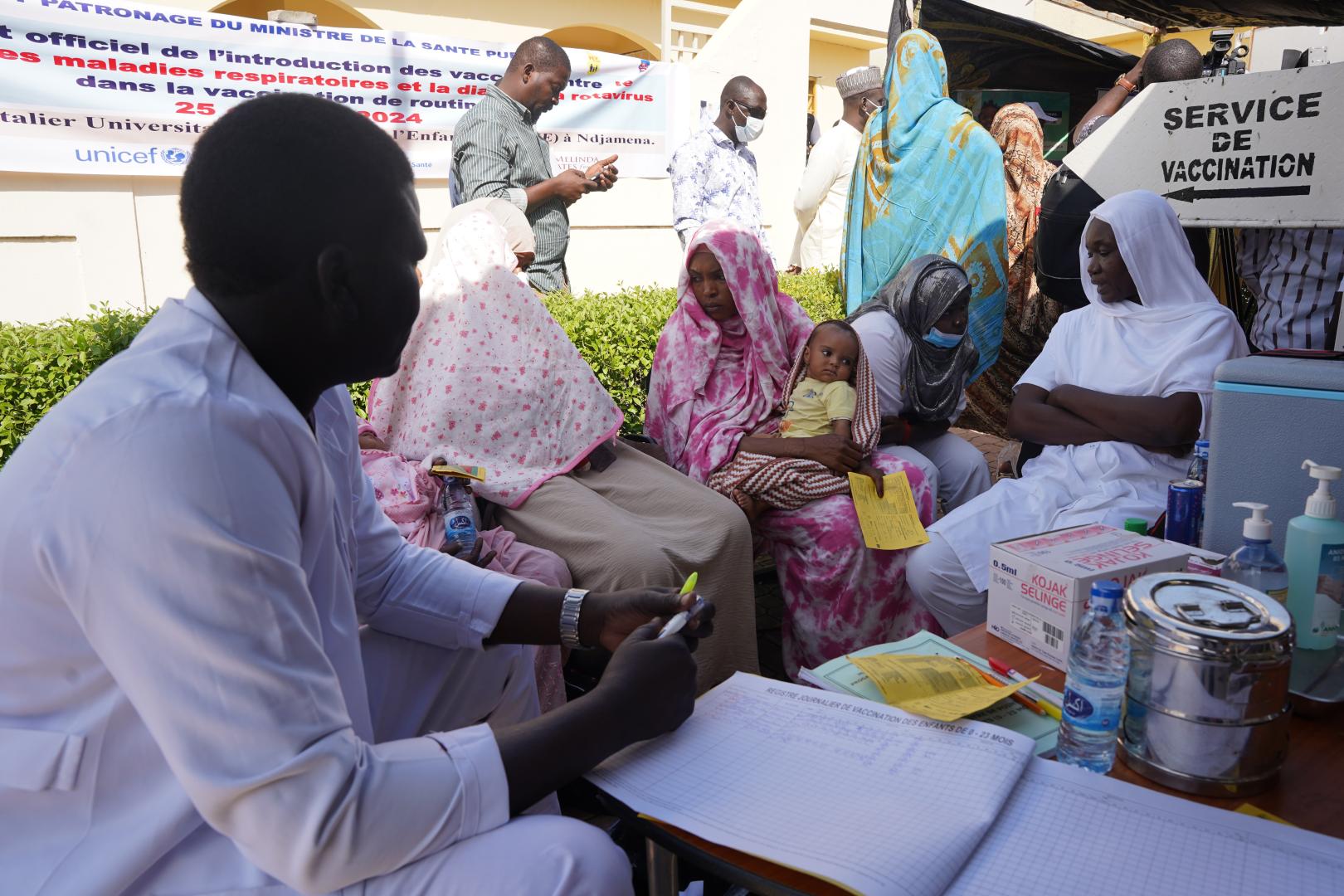
N’Djamena – Chad today kicked off an ambitious triple vaccine rollout, including the R21 malaria vaccine, marking a significant step forward in its efforts to safeguard the health and well-being of millions of children.
Namibia Enhances Technical Capacity for the Deployment of the eSURV Companion App
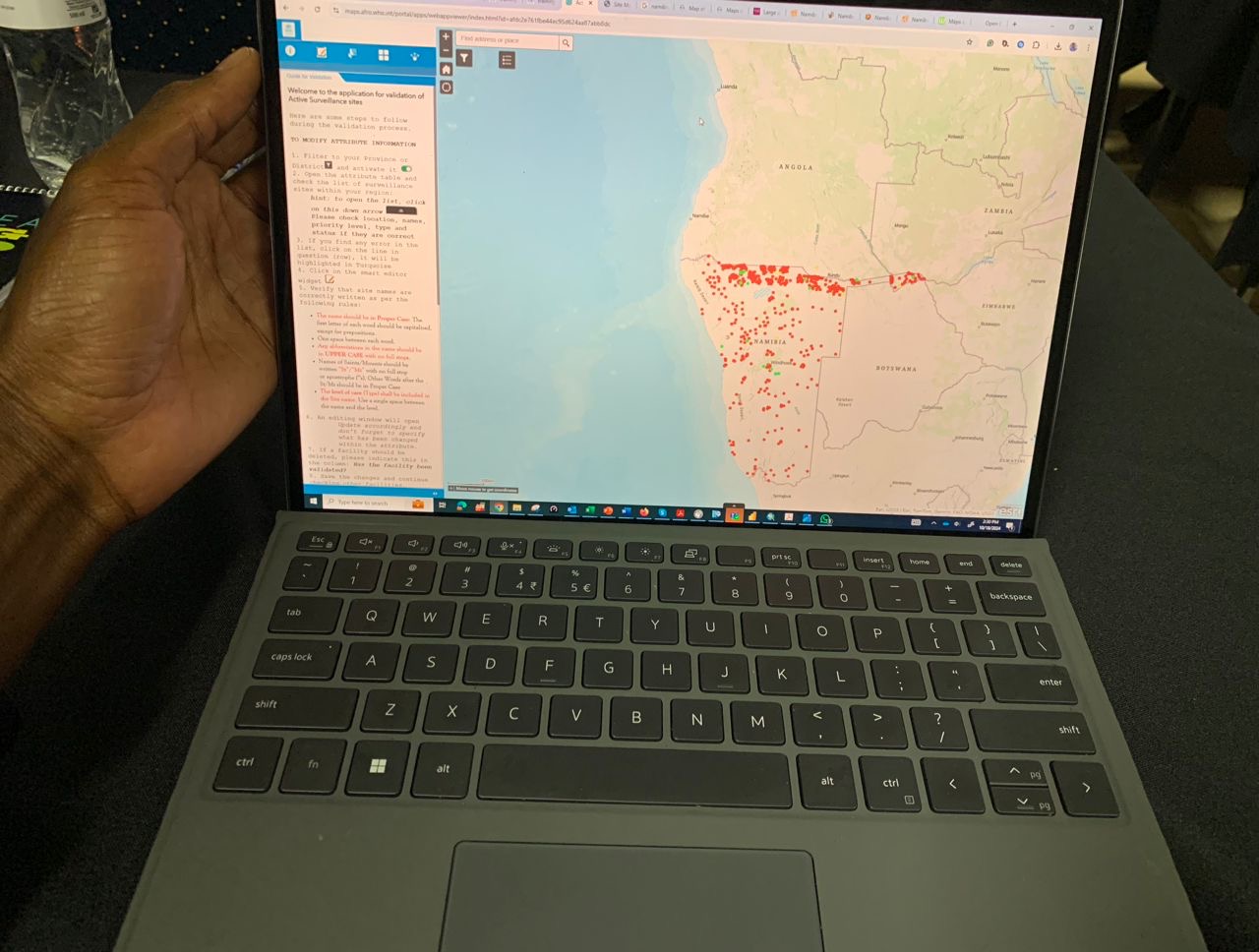
The Ministry of Health and Social Services (MoHSS) with support from World Health Organization (WHO) conducted a national training for trainers on the electronic surveillance (eSURV) Companion App in Swakopmund from 14 – 16 October 2024.
Over 1 million children benefit from a Mass Drug Administration Campaign in Zimbabwe
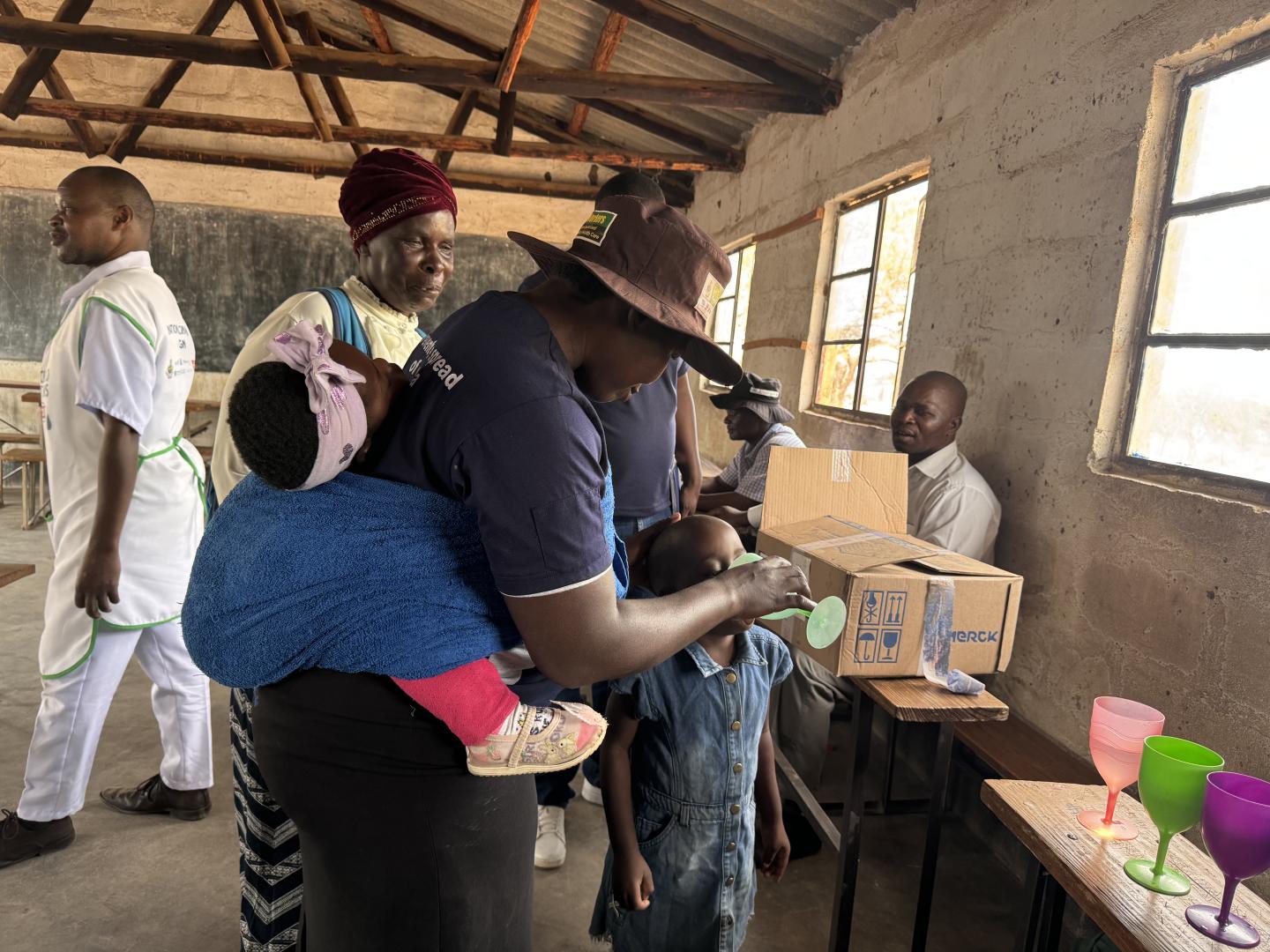
Masvingo - From 14 to 21 October 2024, the World Health Organization (WHO) supported a mass drug administration (MDA) campaign in Zimbabwe aimed at combating neglected tropical diseases (NTDs), specifically schistosomiasis (bilharzia) and soil-transmitted helminths (intestinal worms). This initiative successfully reached 1,306,043 individuals with treatment for schistosomiasis and 1,054,558 for intestinal worms, primarily targeting children under the age of 15 living in vulnerable communities.
WHO discusses Mpox and Marburg cross border interventions in African region
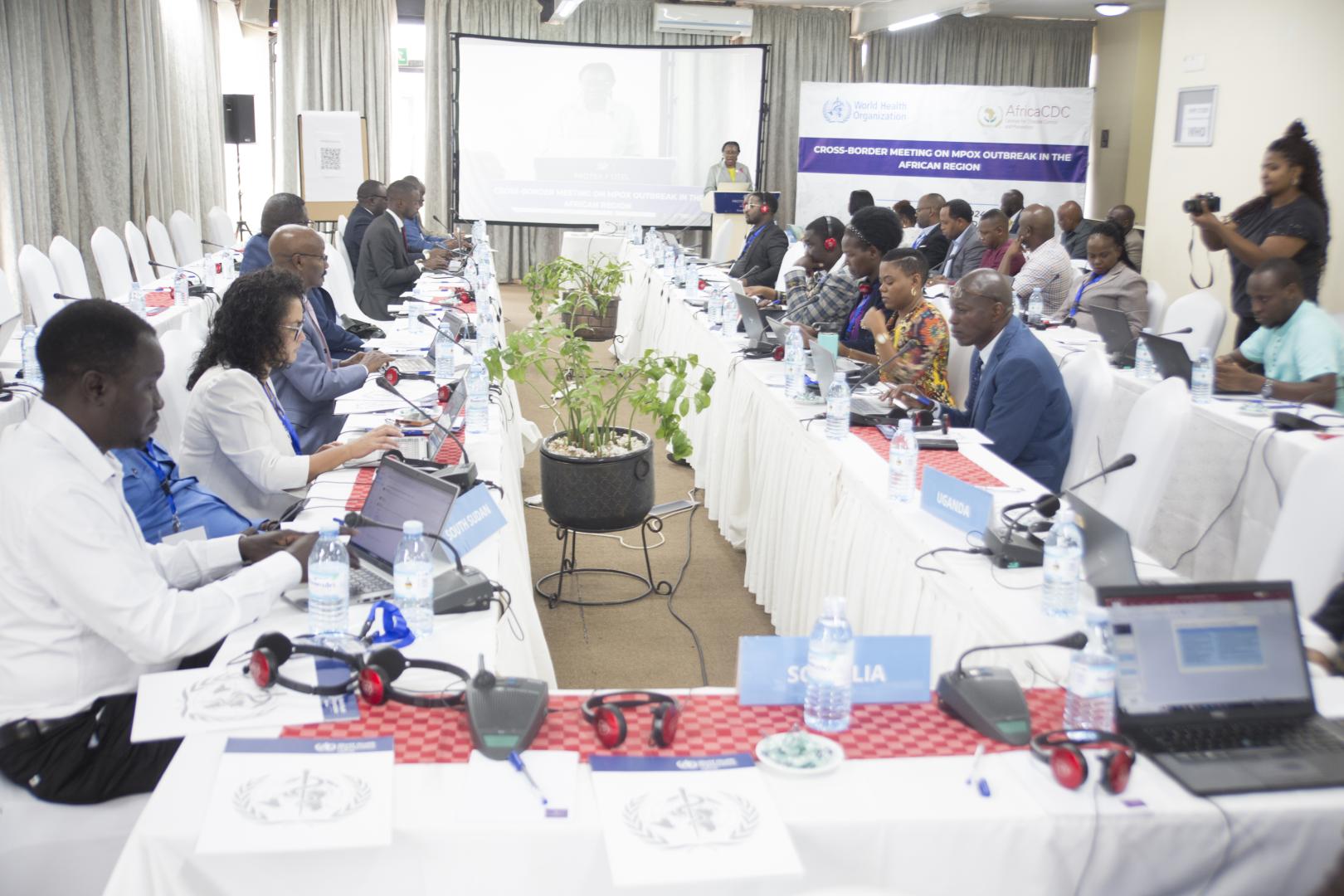
Kampala. The World Health Organization Africa Regional Office (AFRO) has convened a four-day cross-border meeting of health experts and partners from the Burundi, Democratic Republic of the Congo (DRC), Kenya, Republic of the Congo, Rwanda, Somalia, South Sudan, Tanzania, and Uganda to discuss the ongoing outbreaks of mpox, Marburg and other public health threats with potential for international spread.
Zimbabwe Establishes Local Laboratory for Polio Surveillance
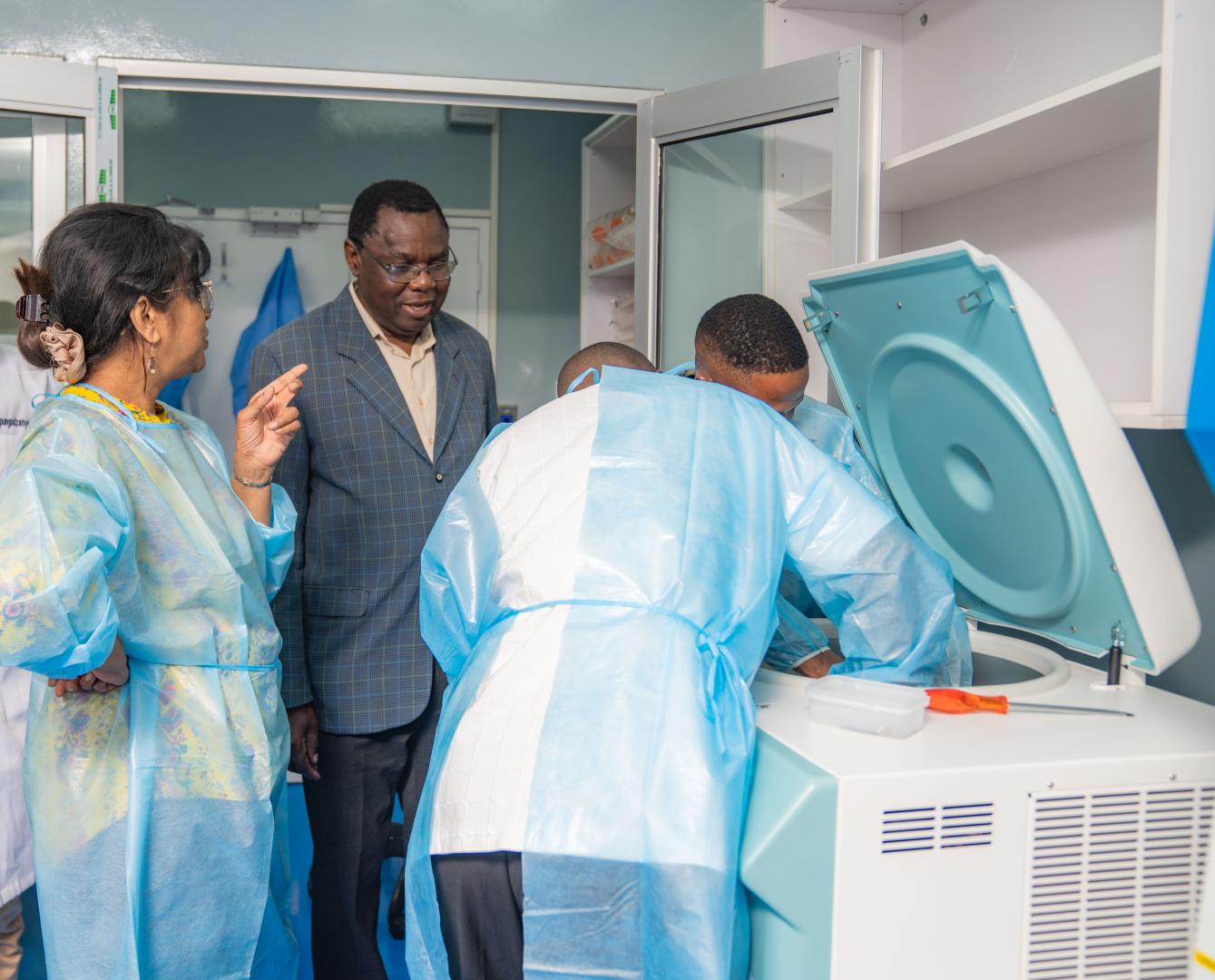
Harare – In a significant step towards strengthening its public health infrastructure, Zimbabwe established a dedicated laboratory for the analysis of polio samples collected through environmental surveillance (ES). Previously, these samples were sent to South Africa for testing, resulting in a turnaround time of approximately 21 days.
Building a Healthier Future: WHO and Tanzania Forge Strong Partnerships for Health for All
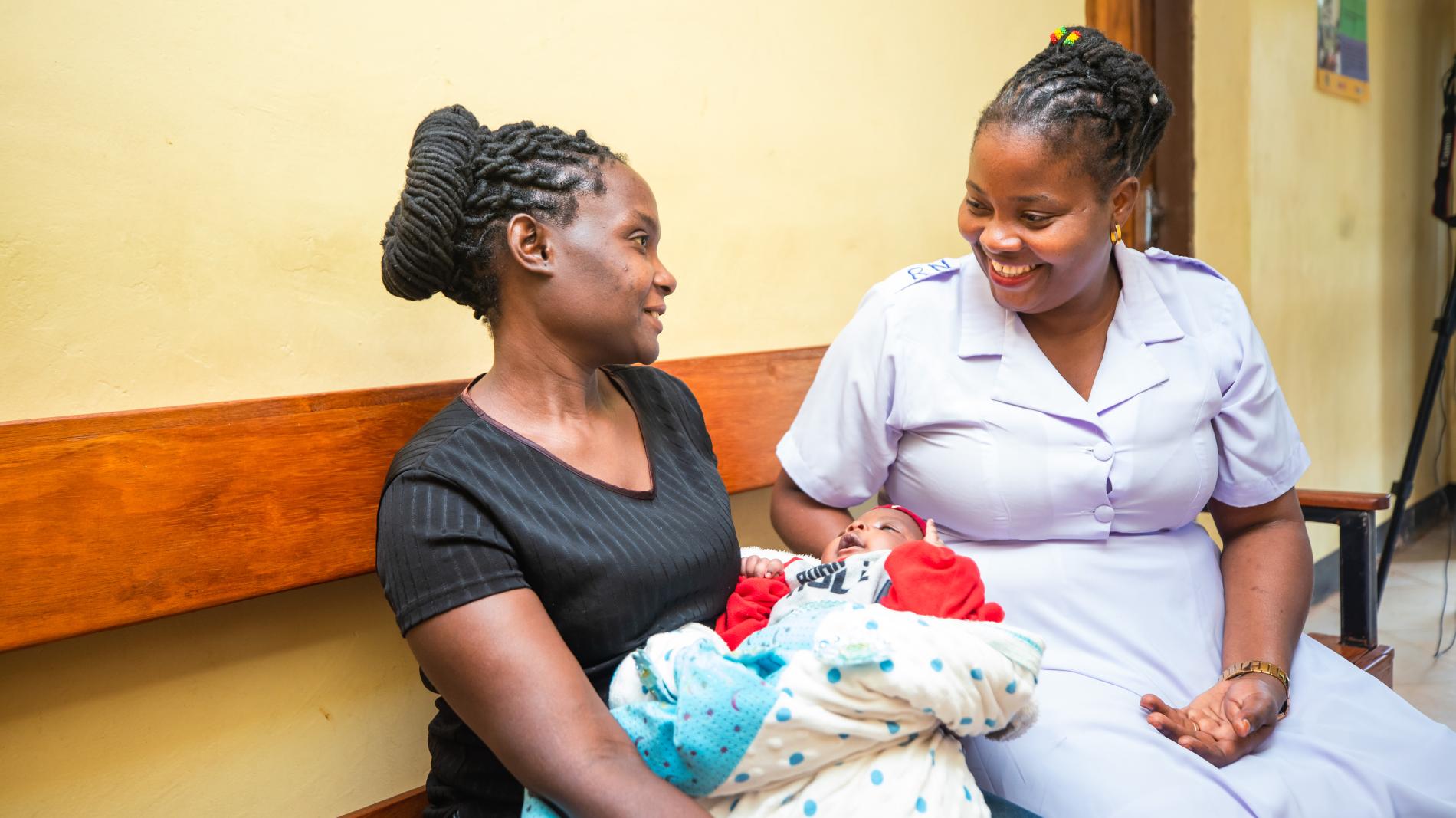
Dodoma: The World Health Organization (WHO) convened key stakeholders and implementing actors in Tanzania’s public health agenda to review the joint work plan for 2024/2025, a strategic blueprint aimed at realizing the ambitious Health for All agenda in the country.
Working with communities to curb mpox spread in the Democratic Republic of the Congo

Kinshasa – Sophie Lipanda, a disease prevention and control veteran in Kinshasa, has dedicated over 10 years working in risk communication and community engagement (RCCE). When the mpox outbreak hit the Democratic Republic of the Congo earlier this year, she immediately joined efforts to inform and protect her community.
A Community’s Battle Against Cholera in Simiyu

In the Simiyu region of Tanzania, the resurgence of Cholera outbreaks posed a dire threat to public health. Since January 2024, the region has reported 1691 of Cholera cases, thus 28.7% of all cases reported in the country. With a new wave that started in August, 338 cases and 5 deaths were recorded, averaging daily new cases in the double digits.