Nigeria launches action plan to combat Antimicrobial Resistance (AMR)

Abuja, 20 October, 2024 - In a bold step towards combating the growing threat of antimicrobial resistance (AMR), the Federal Government of Nigeria has launched the Second National Action Plan on Antimicrobial Resistance (AMR 2.0).
This milestone aligns with the political declaration endorsed in the 79th session of the United Nations General Assembly High-Level Meeting (UNGA-HLM), President Bola Ahmed Tinubu’s health sector renewal initiative, and Nigeria’s commitment to global health security.
Namibia Strengthens Child Malnutrition Measures
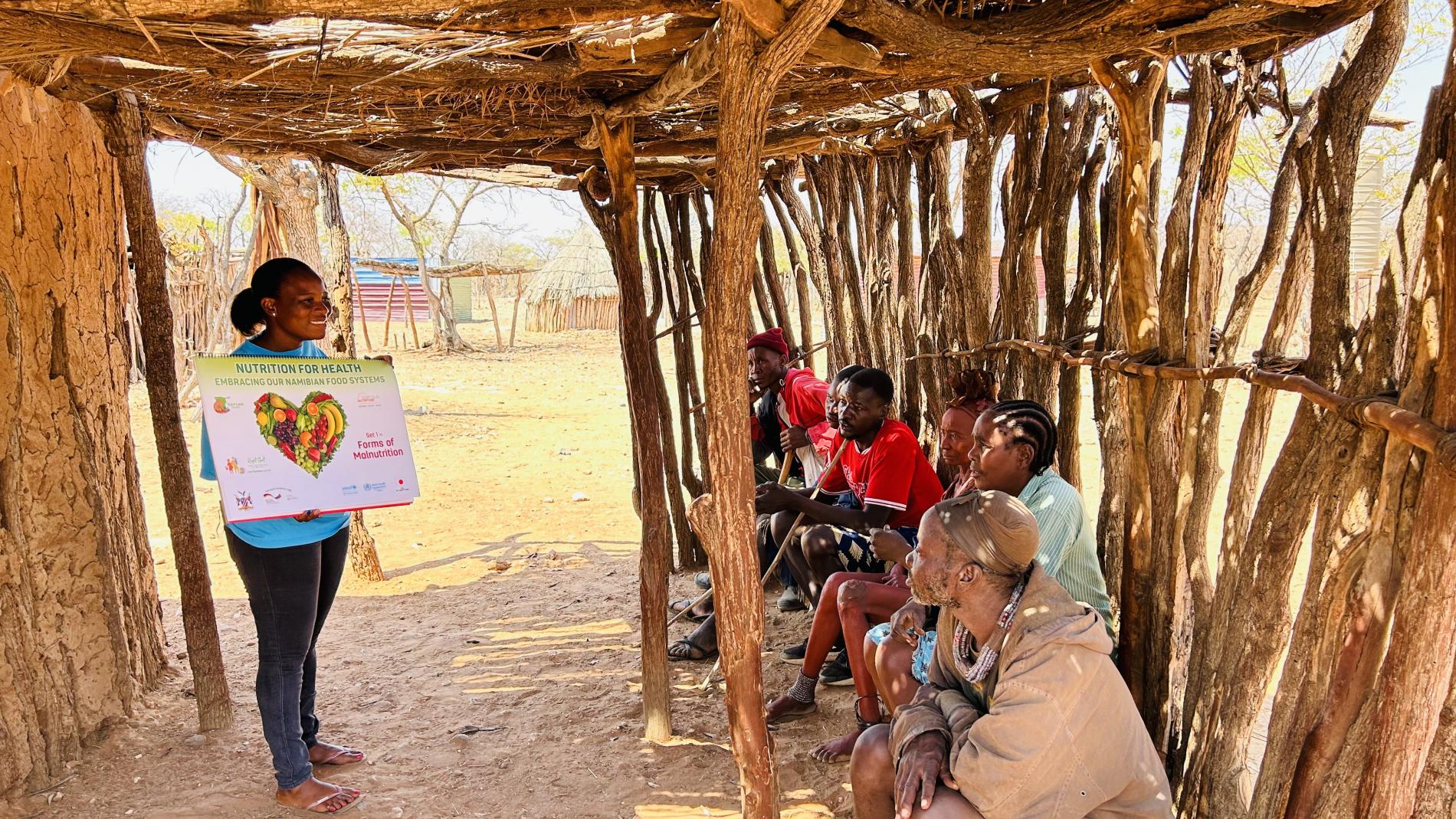
Windhoek –Vakahoka Matundu of Otjerunda village, faced a crisis when her two-year old daughter was diagnosed with acute malnutrition. A community health worker identified the issue and quickly referred her to Opuwo District Hospital for treatment. Reflecting on the journey, Vakahoka shares, “The community health worker has been very helpful, visiting us regularly to check up on my child's progress. My child is doing well now, and we are up to date with her immunizations.”
Critical importance of International Health Regulations reemphasized with interactive training

The International Health Regulations (IHR), the legally binding set of rules providing a framework to prevent the spread of public health events across borders, have a long and illustrious history that goes back over 170 years. Under its Country Cooperation Strategy 2023-2026, WHO Mauritius is committed to scaling up IHR capacity and public health emergency preparedness
Tackling Neglected Tropical Diseases: Mapping T. solium Taeniasis in Northern Namibia
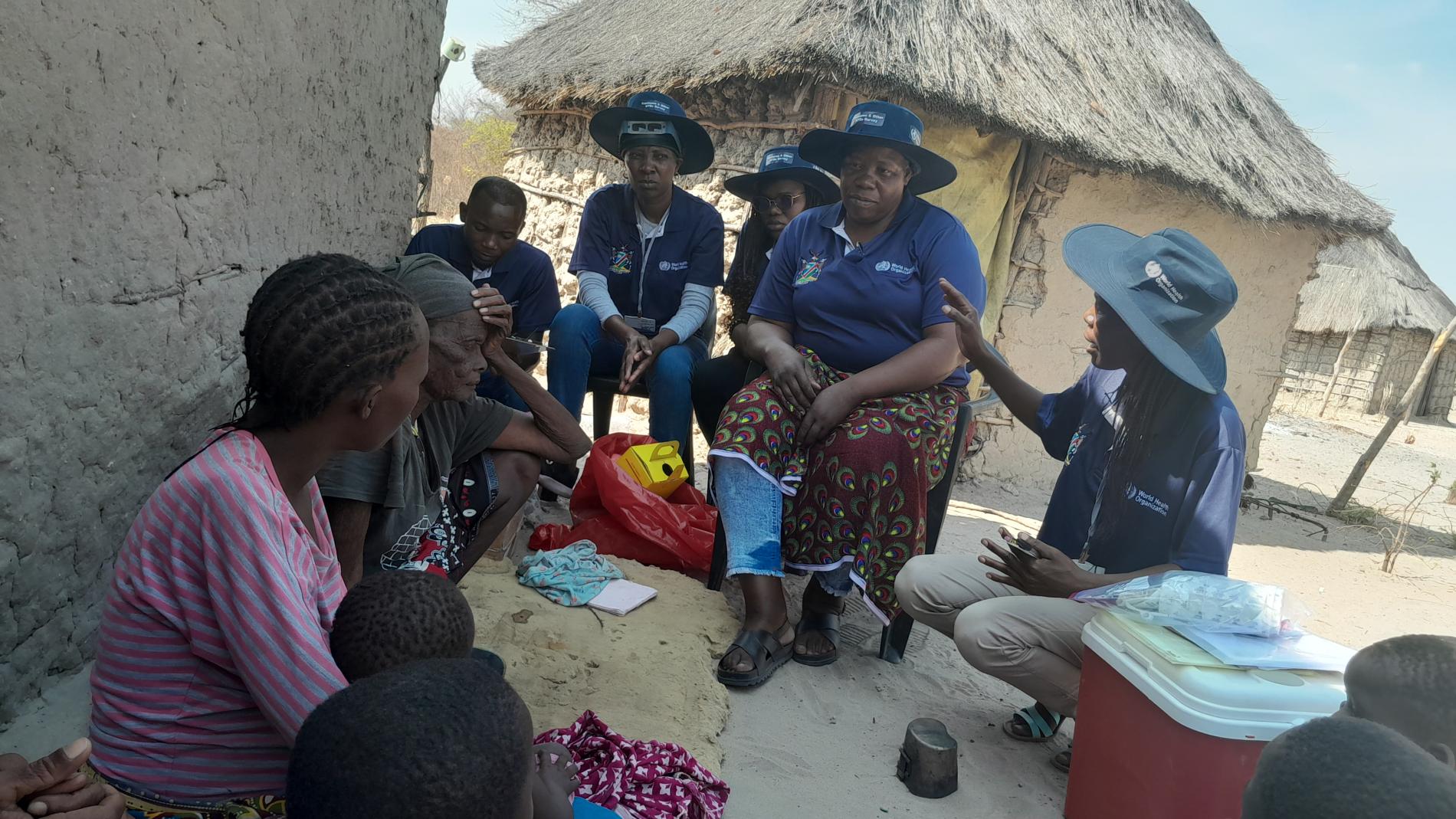
During July and August this year, the Ministry of Health, and Social Services (MoHSS) with technical support from the World Health Organization (WHO) conducted a community based cross-sectional Taenia Solium taeniasis mapping survey. The survey was funded by GIZ through the Expanded Special Project for the Elimination of Neglected Tropical Disease (ESPEN). The mapping survey was conducted in five northern regions namely Kavango West, Ohangwena, Omusati, Oshana and Oshikoto. The identified regions share common risk factors for T.
Uganda Commits to Investing in Community Health Workers to Advance Primary Health Care and Promote Community Well-being.
Kampala, 18 October 2024 – Health Authorities in Uganda have committed to invest in Community Health Workers (CHEWs) to advance health systems in the country. This emerged from the three-day discussion at the third Health Promotion and Disease Prevention Conference, organized by the Ministry of Health (MoH), in collaboration with the World Health Organization (WHO), the African Centre for Disease Control and Prevention (Africa CDC), and other partners. The conference was held in Kampala from October 16 to 18, 2024.
WHO Supports Civil Society Organizations to Address Gender-Based Health Inequities through Monitoring of Inequalities
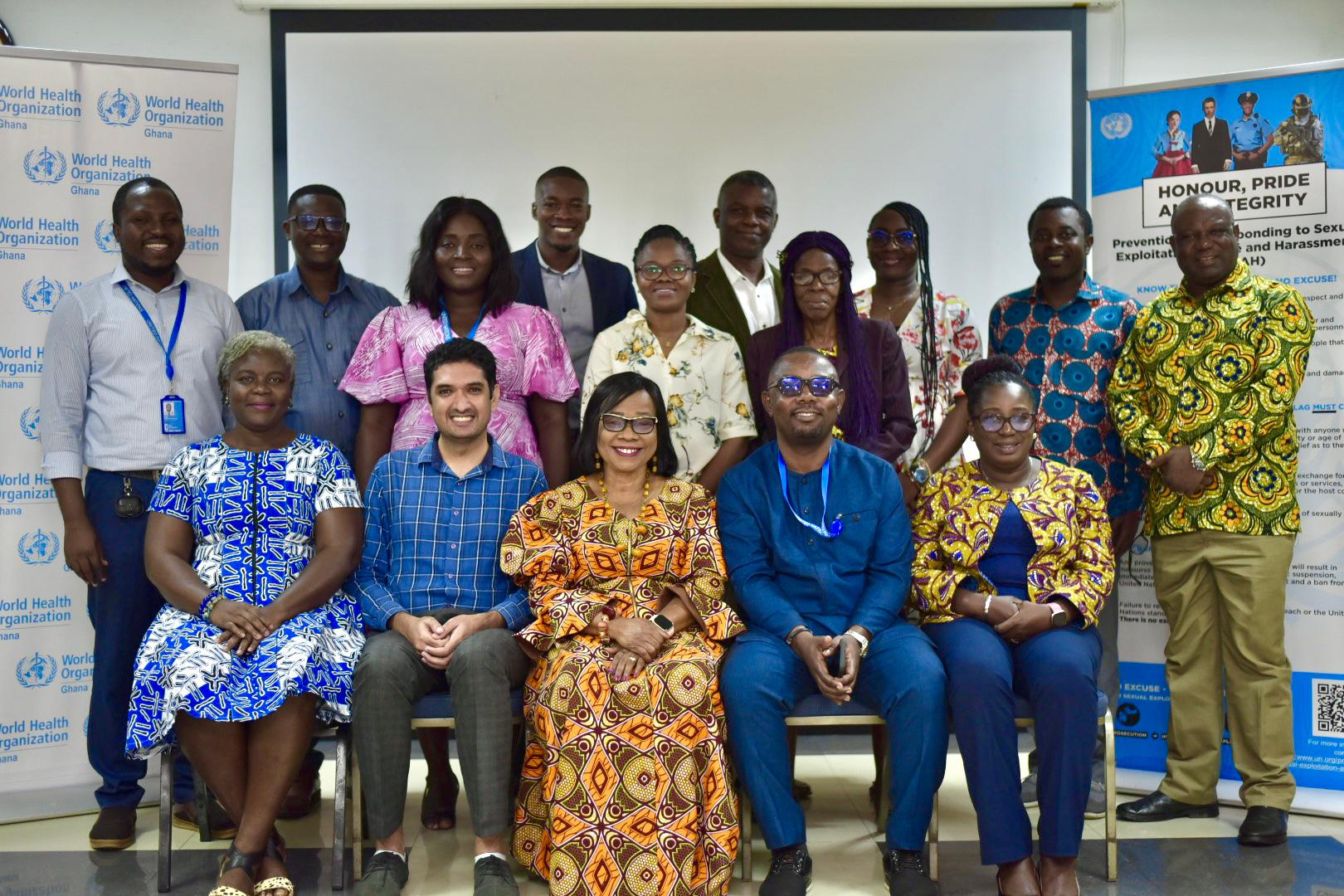
WHO strengthens countries capacities to combat diet related Noncommunicable Diseases in Africa
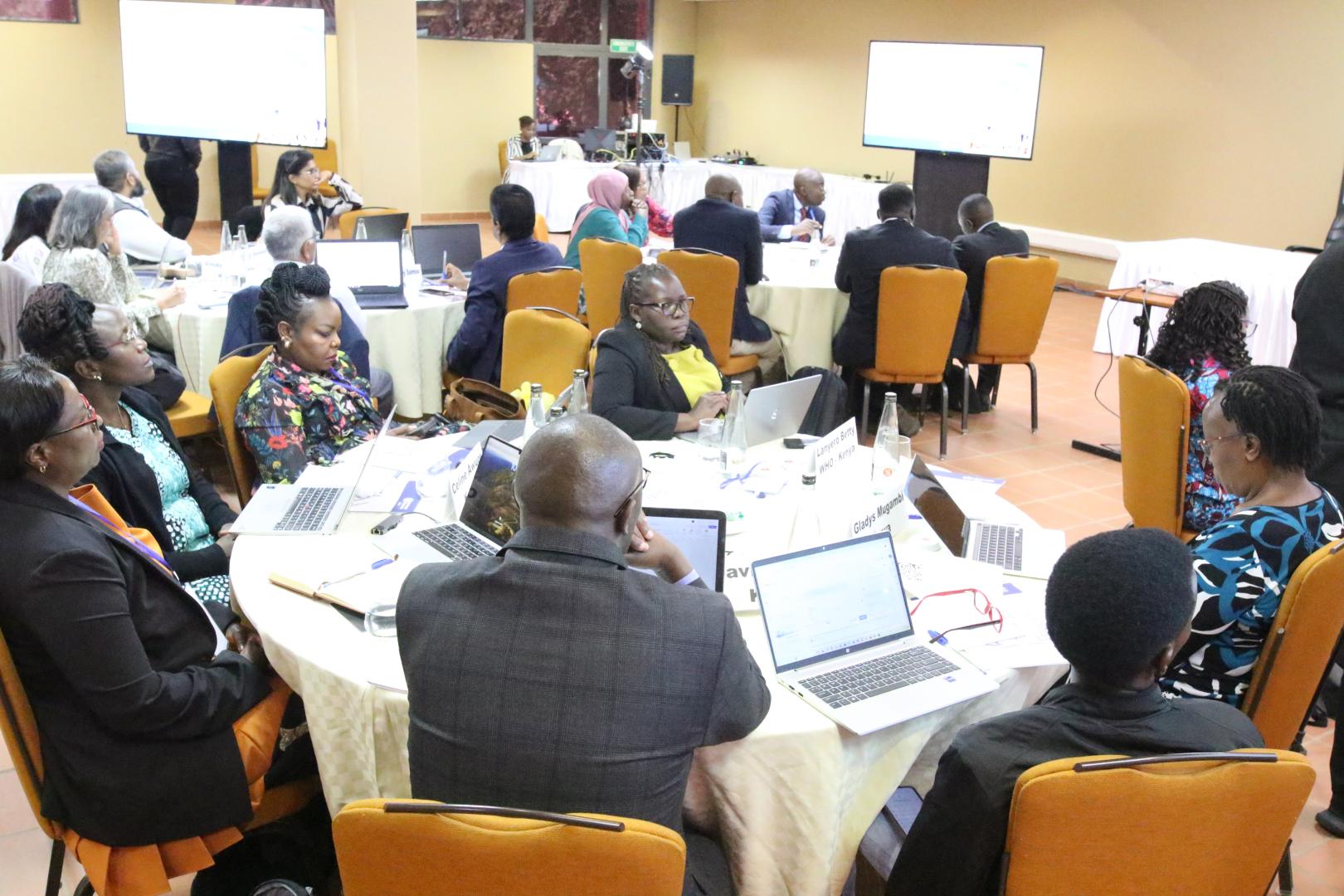
Kampala, Uganda – The World Health Organization’s Regional Office for Africa (WHO AFRO) has conducted a five-day capacity-building workshop in Uganda from 14-18 October 2024 to empower 40 representatives from government, civil society, and academia from Ghana, Kenya, Mauritius, Tanzania, and Uganda. The goal was to enhance efforts in implementing policies that promote healthier diets and physical activity to prevent obesity and diet-related noncommunicable diseases (NCDs).
Integrating health into diplomacy to ensure the well-being of the population
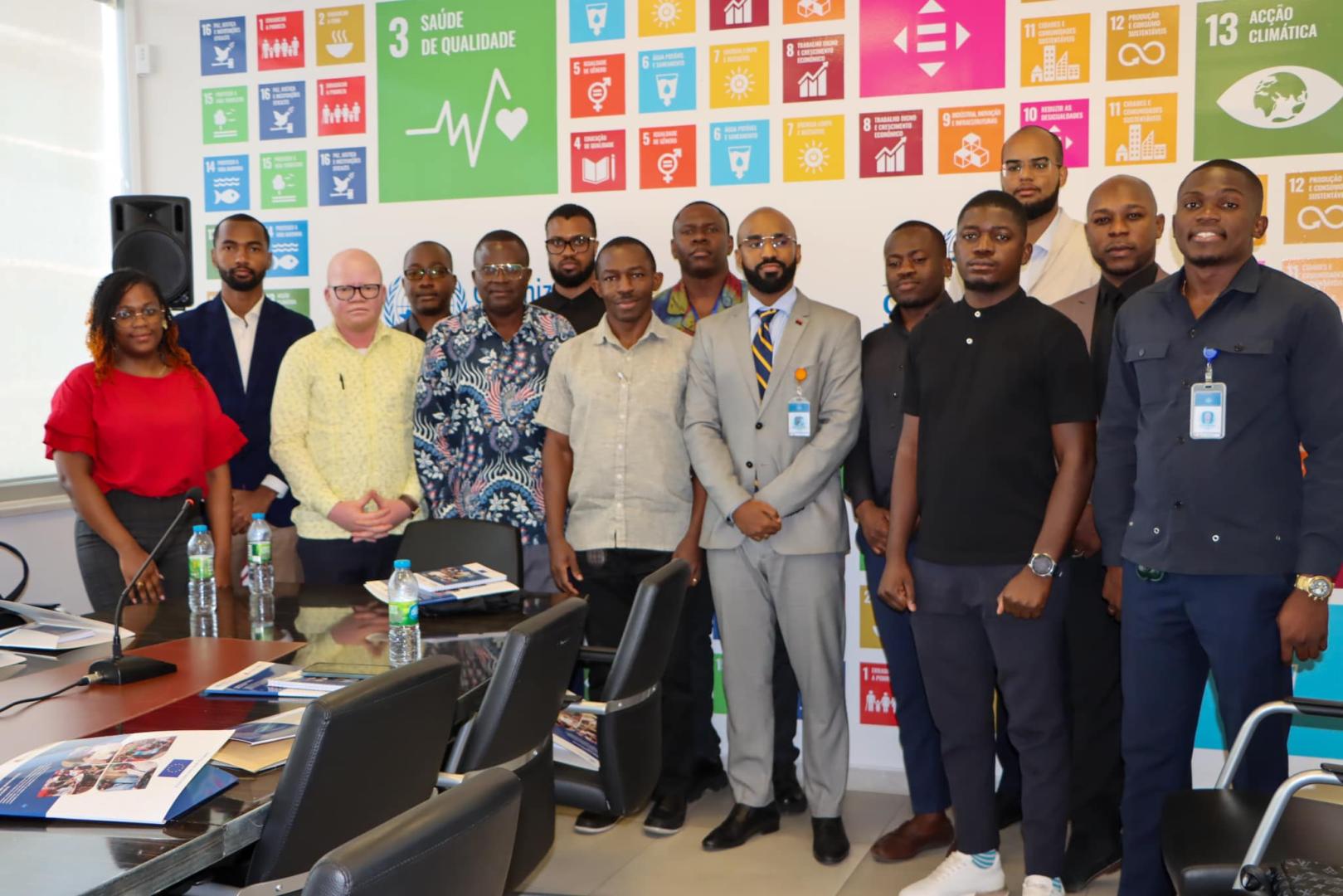
On October 18, the World Health Organization (WHO) had the honor of receiving a group of 20 students from the Venâncio de Moura Diplomatic Academy, in an effort to strengthen Angola's presence at the United Nations and increase the visibility of the United Nations' actions in Angola. This visit is part of an initiative by the Diplomatic Academy to connect students with representatives of international organizations accredited in Angola and provide a deeper understanding of multilateralism.
Zimbabwe launches Health Workforce Strategy, signs Health Workforce Compact
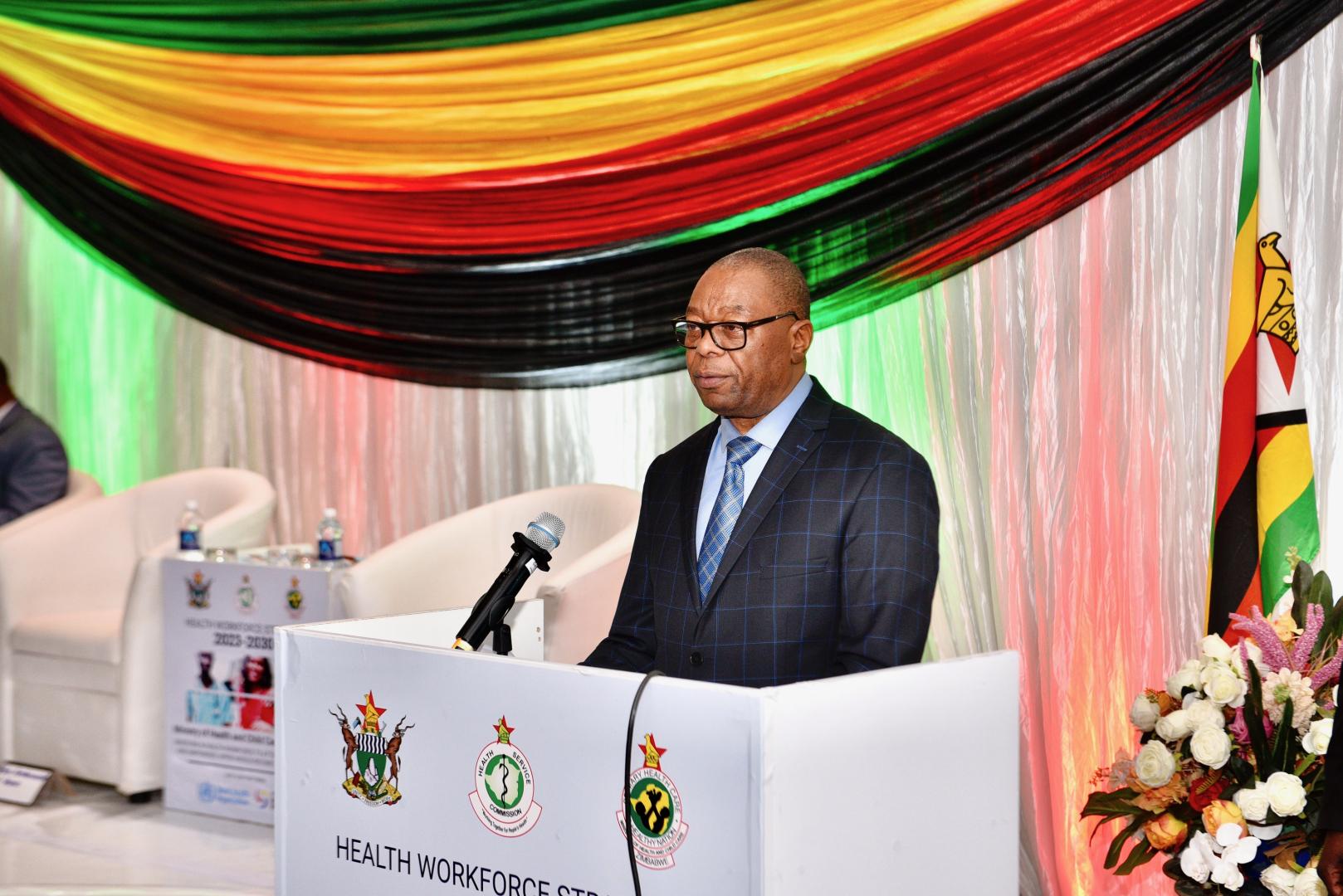
Harare – Following cabinet’s approval, the Government of Zimbabwe has launched the Health Workforce Strategy (2023-2030) to transform the country’s human resources for health capacity in ensuring the highest quality of life for all Zimbabweans by 2030. This comprehensive strategy addresses critical gaps in the health workforce and is set to be the foundation for a sustainable healthcare system.
Introduction to Medical Certification of Cause of Death (MCCoD) using the Eleventh Revision of the International Classification of Diseases (ICD 11) in South Sudan
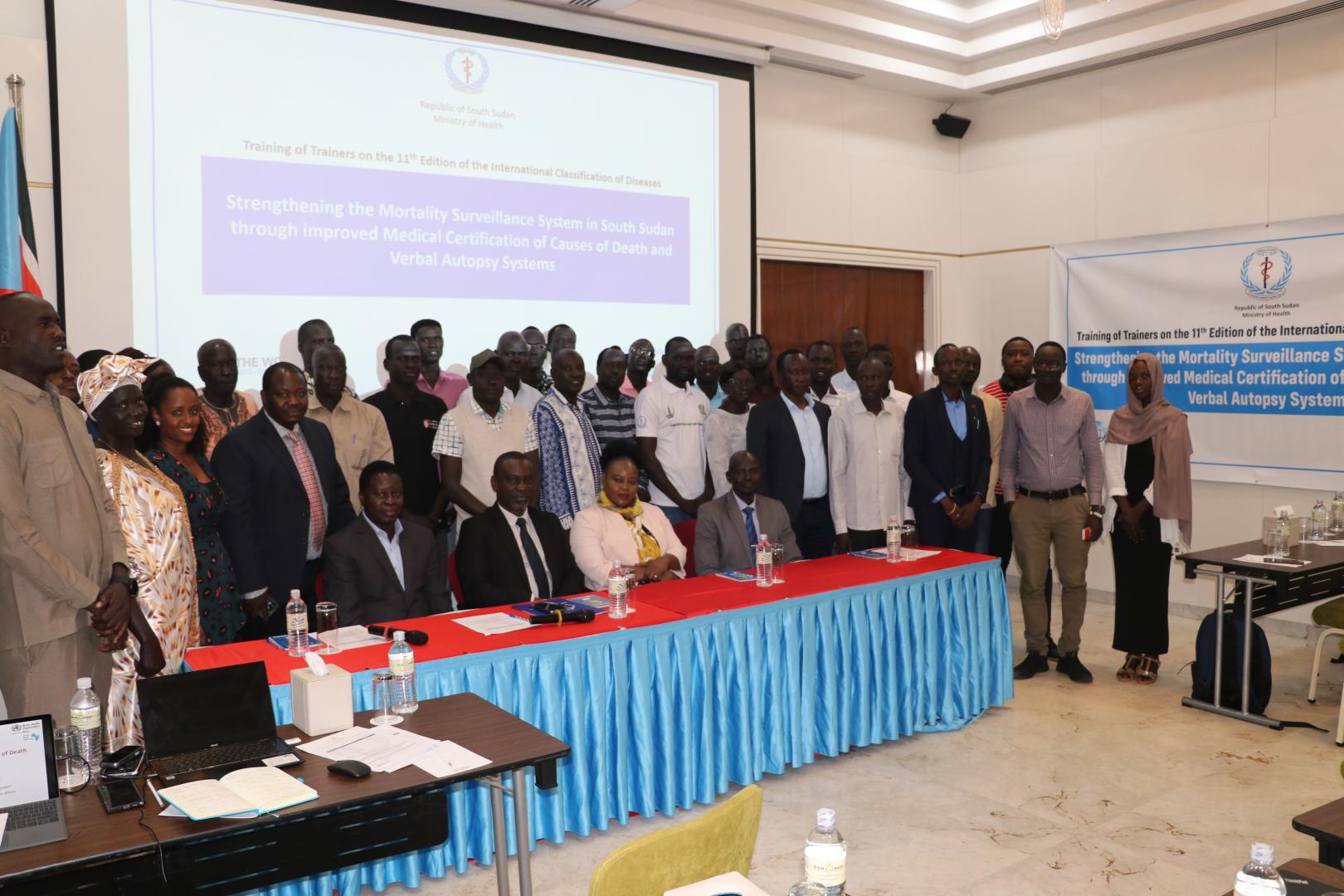
South Sudan has embarked on a groundbreaking initiative in bolstering its mortality surveillance system by enhancing the capacities of health workers through training. The aim is to improve the collection of accurate disease data, enhance reporting and completeness, and streamline health services, ultimately informing health outcomes.